
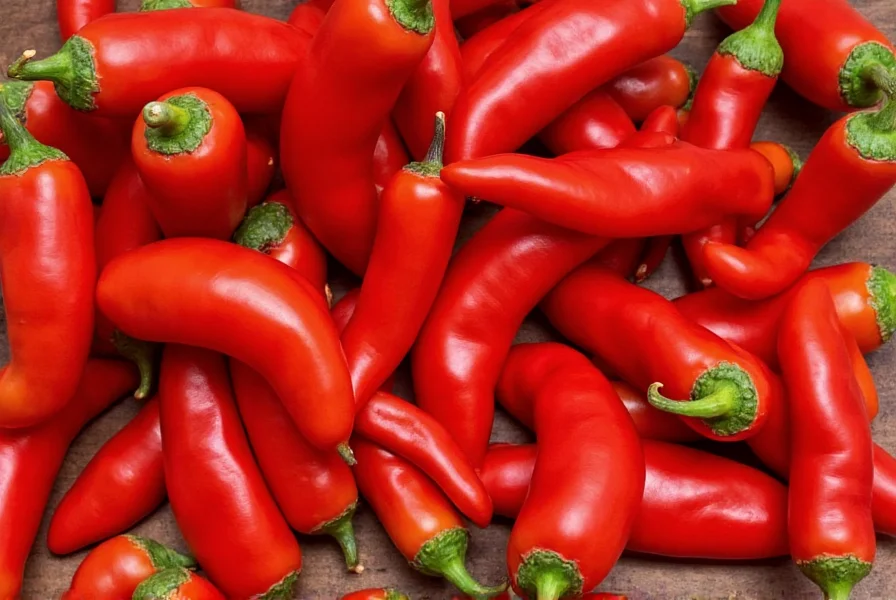
The best substitutes for Calabrian chili peppers are crushed red pepper flakes mixed with olive oil and a touch of lemon juice, arrabbiata sauce for cooked dishes, or a blend of cayenne pepper and smoked paprika. For paste applications, 'nduja spread diluted with olive oil works well, while fresh serrano or Fresno chilies can replace fresh Calabrian peppers in recipes requiring raw heat.
When your recipe calls for Calabrian chili peppers but you can't find them, understanding what makes these Italian chilies unique helps you select the perfect substitute. Calabrian chilies (peperoncini) from southern Italy's Calabria region offer a distinctive balance of heat (25,000-45,000 SHU), bright fruitiness, and subtle smokiness. They're typically preserved in olive oil with garlic and herbs, creating a complex flavor profile that's difficult to replicate with a single ingredient.
Why Calabrian Chilies Are Special
Calabrian chili peppers stand out for their unique characteristics that influence substitution choices:
- Heat level: Medium-hot with gradual build (not immediate like habaneros)
- Flavor profile: Fruity undertones with citrus notes and mild smokiness
- Texture: Often used as a paste or crushed form in oil
- Usage: Common in Mediterranean dishes, especially tomato-based sauces
When selecting a Calabrian chili peppers alternative, consider whether your recipe needs the heat, the flavor complexity, or the oily texture that defines authentic Calabrian preparations.
Top Substitutes Compared
Below is a comparison of the most effective Calabrian chili substitute options based on different cooking applications:
| Substitute | Best For | Ratio vs Calabrian | Flavor Notes |
|---|---|---|---|
| Crushed red pepper + olive oil + lemon | All-purpose substitute | 1:1 (adjust to taste) | Adds oil base and brightness missing in plain flakes |
| Arrabbiata sauce | Cooked tomato dishes | 2 tbsp per 1 tbsp Calabrian | Pre-made spicy tomato base with similar heat profile |
| 'Nduja diluted with olive oil | Paste applications | 1:2 with oil | Stronger heat but similar texture and complexity |
| Cayenne + smoked paprika blend | Dry spice replacement | ⅔ cayenne + ⅓ paprika | Matches heat with added smokiness |
| Fresh serrano or Fresno chilies | Raw applications | 1:1 (seeds removed) | Similar heat level with fruitier notes than jalapeños |
Detailed Substitution Guide
Crushed Red Pepper Flakes with Olive Oil Modification
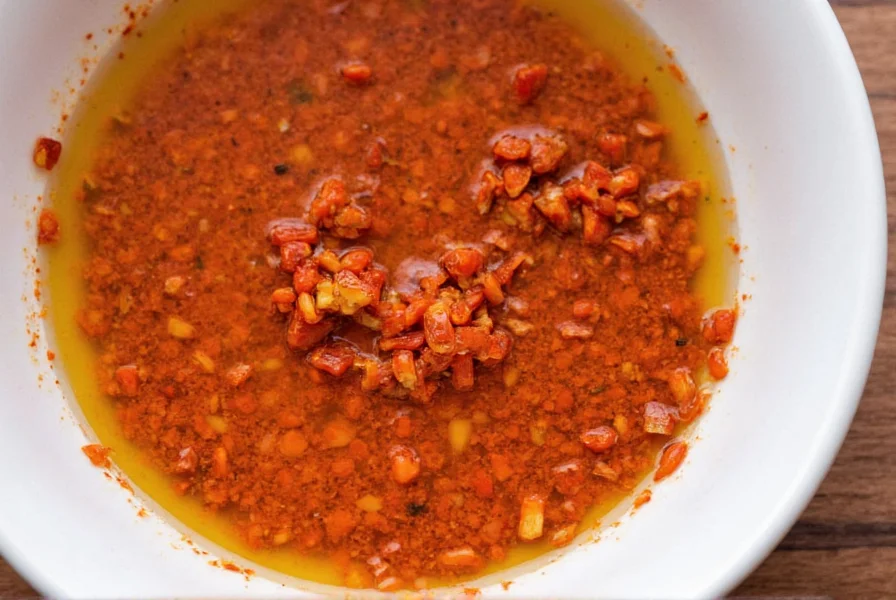
This Calabrian chili peppers substitute works best when you need the oily texture and gradual heat release. Simply mix 1 tablespoon of quality red pepper flakes with 2 tablespoons of extra virgin olive oil and a squeeze of lemon juice. Let it sit for 15 minutes to allow flavors to meld. This combination mimics the oil preservation method used for authentic Calabrian chilies while adding the citrus notes characteristic of southern Italian cooking.
Arrabbiata Sauce for Cooked Dishes
When substituting Calabrian chilies in pasta sauces or braises, arrabbiata sauce provides the closest flavor profile. Use 2 tablespoons of store-bought or homemade arrabbiata for every 1 tablespoon of Calabrian chili paste called for in your recipe. The tomato base in arrabbiata complements the same dishes that typically feature Calabrian chilies, creating a harmonious flavor without overwhelming heat.
'Nduja as a Paste Alternative
'Nduja, the spicy Calabrian spreadable salami, makes an excellent Calabrian chili substitute when diluted properly. Mix one part 'nduja with two parts olive oil until smooth. This substitute works particularly well in recipes where Calabrian chilies are used as a flavor base, though it adds meaty notes that pure chili paste wouldn't. The heat level is stronger, so start with half the recommended amount and adjust to taste.
Dry Spice Blends for Baking and Dry Rubs
For recipes requiring dry Calabrian chili powder (less common but sometimes used), combine cayenne pepper and smoked paprika in a 2:1 ratio. This Calabrian chili powder substitute delivers the necessary heat while adding the subtle smokiness that distinguishes Calabrian chilies from other medium-heat peppers. Add a pinch of dried oregano to enhance the Italian flavor profile when appropriate for your dish.
Recipe-Specific Substitution Tips
Pizza and Flatbreads
For Calabrian chili oil drizzled over finished pizza, use a mixture of mild olive oil and a small amount of Calabrian-style hot honey. The sweetness balances the heat similarly to how the natural fruitiness of Calabrian chilies tempers their spiciness.
Seafood Dishes
When substituting Calabrian chilies in seafood preparations like spaghetti allo scoglio, fresh minced Fresno chilies work best. Their bright red color and moderate heat (5,000-10,000 SHU) with fruity notes complement seafood without overwhelming delicate flavors.
Vegetable Preserves
For Calabrian chili-infused olive oil used in vegetable preserves, create a infused oil by heating dried Calabrian chili substitutes (like a mix of guindilla and pequín peppers) in olive oil for 10 minutes, then straining. This captures the essential oil-soluble compounds that give Calabrian preparations their distinctive flavor.
Finding Authentic Calabrian Chilies
Before settling for substitutes, check these sources for genuine Calabrian chili products:
- Specialty Italian markets (look for brands like Bio Mercurio or La Fattoria)
- Online retailers specializing in Italian ingredients
- High-end grocery stores with robust international sections
- Some farmers' markets with Mediterranean-focused vendors
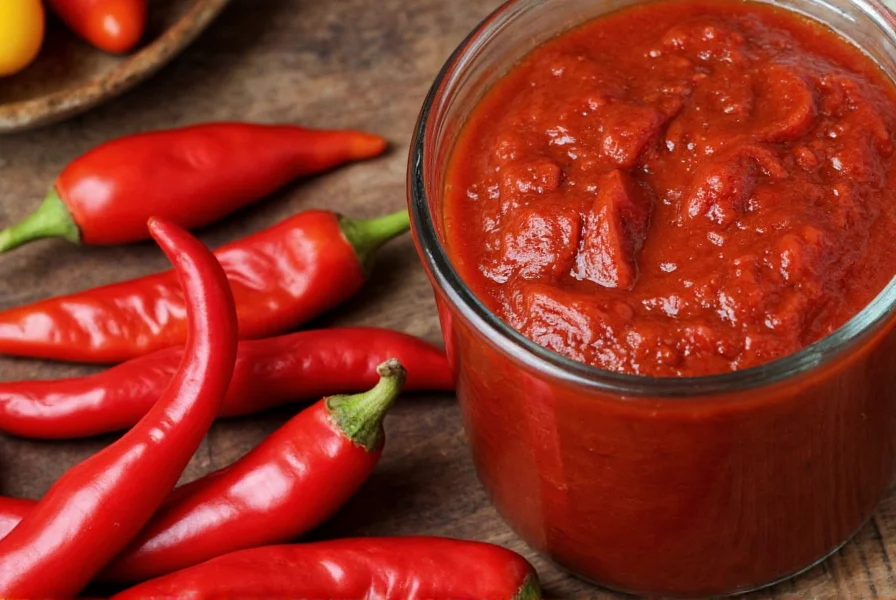
Authentic Calabrian chili paste typically lists only three ingredients: Calabrian peppers, olive oil, and salt. Avoid products with vinegar, sugar, or additional spices if you want the pure flavor profile that many recipes depend on.
Storage Tips for Substitutes
Most Calabrian chili pepper substitutes benefit from proper storage to maintain flavor. Keep oil-based substitutes in airtight containers in the refrigerator for up to two weeks. Dry spice blends should be stored in dark glass jars away from heat and light. For best results, make small batches of your Calabrian chili substitute as needed rather than preparing large quantities in advance.
Frequently Asked Questions
Can I use regular red pepper flakes instead of Calabrian chili peppers?
Yes, but with modifications. Regular red pepper flakes lack the fruitiness and oil base of Calabrian chilies. For best results, mix 1 tablespoon red pepper flakes with 2 tablespoons olive oil and a squeeze of lemon juice. Let it sit for 15 minutes before using to better approximate Calabrian chili flavor and texture.
How spicy are Calabrian chili peppers compared to other common chilies?
Calabrian chilies measure 25,000-45,000 on the Scoville scale, placing them between cayenne peppers (30,000-50,000) and serrano peppers (10,000-25,000). They deliver heat with a gradual build rather than immediate burn, plus distinctive fruity notes that differentiate them from other medium-heat chilies.
What's the difference between Calabrian chili paste and regular chili paste?
Authentic Calabrian chili paste contains only Calabrian peppers, olive oil, and salt, preserving the pepper's natural fruitiness. Regular chili pastes often include vinegar, additional spices, or sugar, creating a different flavor profile. Calabrian paste has a distinctive deep red color and oily texture that releases flavor gradually during cooking.
Can I substitute Calabrian chilies with harissa?
Harissa makes a reasonable substitute but with noticeable differences. While both are chili pastes, harissa contains garlic, spices like cumin and coriander, and often lemon, giving it a North African flavor profile. Use harissa at a 1:2 ratio (half the amount) and omit other spices in your recipe to avoid flavor conflicts.
How do I adjust recipes when substituting Calabrian chilies?
When substituting Calabrian chilies, start with 75% of the recommended substitute amount, then adjust to taste. Oil-based substitutes may require reducing other fats in the recipe. For dry substitutes, add a touch of acid (lemon juice or vinegar) to mimic Calabrian's natural brightness. Always add heat gradually, as substitutes may have different heat distribution than authentic Calabrian chilies.




 浙公网安备
33010002000092号
浙公网安备
33010002000092号 浙B2-20120091-4