
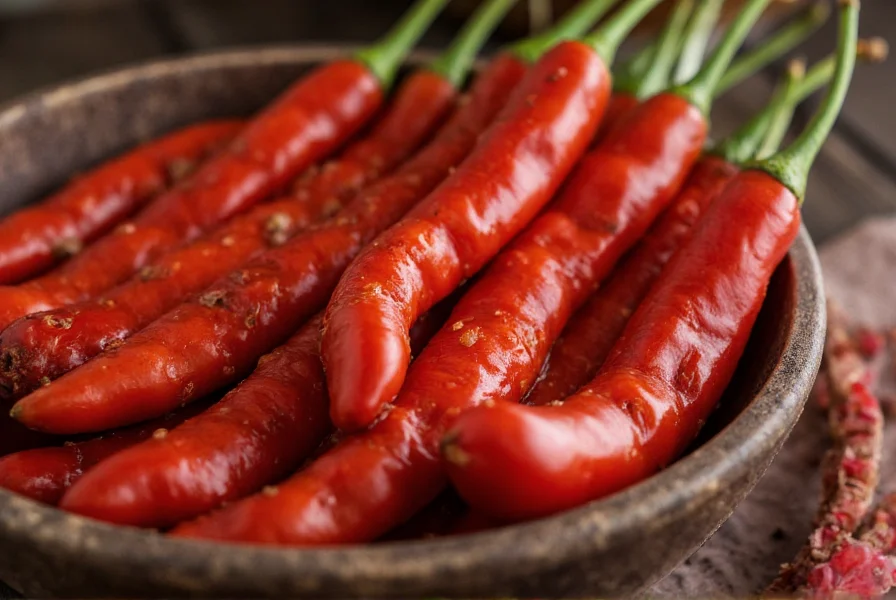
Originating from Italy's southern Calabria region, this specialty oil has been crafted for generations using locally grown peperoncino calabrese peppers. Unlike mass-produced chili oils that often rely on generic red pepper flakes, authentic Calabrian chili oil showcases the unique characteristics of its namesake pepper, which thrives in Calabria's Mediterranean climate and mineral-rich soil.
Historical Evolution of Calabrian Chili Oil
Calabrian chili oil's journey from regional specialty to global phenomenon spans centuries of cultural tradition. The cultivation of peperoncino calabrese in Calabria dates back to the 16th century following chili peppers' introduction to Europe from the Americas. Key developments were formally documented through Italy's PAT (Prodotto Agroalimentare Tradizionale) recognition system, which verifies traditional production methods:
| Period | Production Evolution | Verification Source |
|---|---|---|
| Pre-1900 | Exclusive household production using stone mortars and ceramic vessels | Calabria Tourism Authority |
| 1900-1970 | Small-scale cooperative production for regional markets | ARSAC Agricultural Archive |
| 1970-2001 | Commercial bottling with emerging quality standards | ARSAC Production Records |
| 2001-Present | PAT certification enabling global export with protected specifications | MIPAAF PAT Registry |
The 2001 PAT designation by Italy's Ministry of Agricultural, Food and Forestry Policies established mandatory parameters including exclusive use of Calabrian-grown peppers and minimum 30-day infusion periods, preventing industrial homogenization while enabling sustainable commercialization.
The Distinctive Characteristics of Calabrian Chili Oil
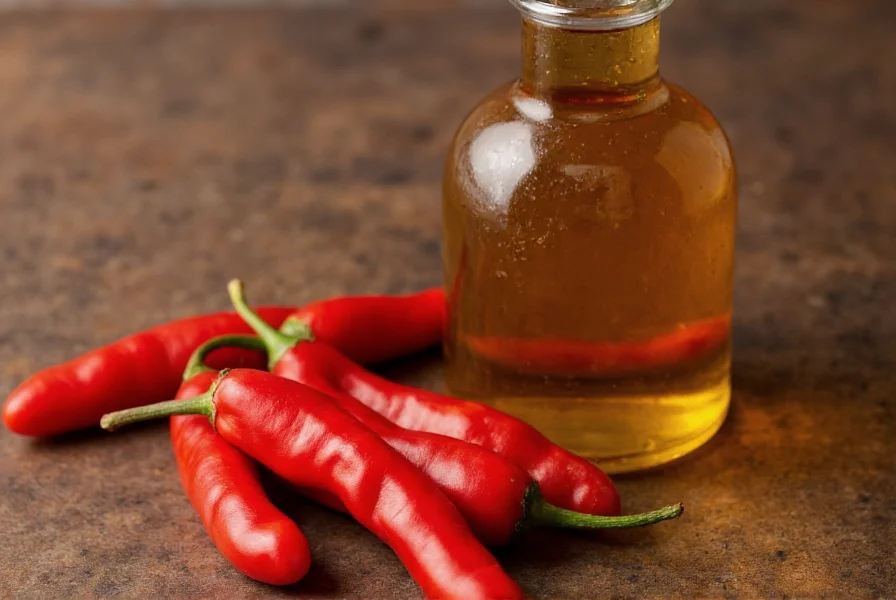
What makes Calabrian chili oil stand out in the crowded condiment market? The answer lies in its specific pepper variety and traditional production process. Calabrian peppers (Capsicum annuum var. acuminatum) deliver a complex flavor profile that begins with bright fruitiness, develops into moderate heat, and finishes with earthy undertones. This three-dimensional flavor experience differs significantly from standard chili oils that often present only heat without nuance.
The traditional preparation method contributes significantly to its distinctive character. Authentic producers typically use:
- Freshly harvested Calabrian peppers (not dried)
- High-quality extra virgin olive oil as the base
- Natural fermentation processes
- Optional additions like garlic, herbs, or citrus zest
This careful process preserves the pepper's natural sugars and volatile compounds that create its signature flavor complexity. When properly made, Calabrian chili oil should display a vibrant red color with possible sediment from the peppers, indicating minimal processing.
Traditional vs. Modern Production Methods
Traditional Calabrian households have made this oil for generations using time-honored techniques that maximize flavor development. The classic method involves:
| Traditional Method | Modern Commercial Method |
|---|---|
| Fresh peppers harvested at peak ripeness | Dried pepper flakes for longer shelf life |
| Peppers steeped in oil for 30-60 days | Rapid infusion (hours or days) |
| Natural fermentation develops complexity | Artificial flavor enhancers added |
| Minimal processing preserves texture | Strained for clear appearance |
| Small-batch production | Mass production |
While traditional methods yield superior flavor complexity, modern commercial versions often prioritize consistency and shelf stability. When selecting Calabrian chili oil, look for products that mention "fresh peppers" rather than "pepper flakes" and avoid those listing artificial preservatives or flavorings.
Practical Culinary Applications
Understanding how to use Calabrian chili oil properly elevates dishes without overwhelming them. Unlike more aggressive chili products, this oil's balanced heat profile makes it versatile across multiple applications:
- Pasta finishing - Drizzle over finished pasta dishes (especially seafood or tomato-based sauces) just before serving
- Marinades - Combine with lemon juice and herbs for chicken or fish
- Dipping oil - Mix with extra virgin olive oil for bread dipping
- Soup enhancement - Add to minestrone or bean soups for depth
- Egg dishes - Elevate scrambled eggs or frittatas
- Vegetable finishing - Toss with roasted vegetables before serving
Contextual Limitations and Best Practices
While versatile, Calabrian chili oil operates within specific culinary boundaries verified by food science research. The Chile Pepper Institute at New Mexico State University confirms that capsaicin compounds begin degrading at temperatures exceeding 160°C (320°F), fundamentally altering flavor chemistry. Key constraints include:
- Heat exposure limit: Maximum 30-second exposure to temperatures above 160°C (e.g., avoid deep frying or searing)
- Dairy interaction: Add after dairy components in sauces to prevent protein denaturation (per USDA Food Safety guidelines)
- Flavor incompatibility: Clashes with delicate proteins like sole or subtle herbs such as tarragon
- Allergen consideration: Contraindicated for nightshade-sensitive individuals (NIH dietary studies)
Respecting these boundaries preserves the oil's nuanced profile while maximizing culinary impact.
When incorporating Calabrian chili oil into recipes, remember that its flavor develops over time. For best results, add it near the end of cooking or as a finishing touch to preserve its delicate aromatic compounds. Start with small amounts (1/4 to 1/2 teaspoon per serving) and adjust to taste, as the heat can intensify when combined with other ingredients.

Storage and Shelf Life Considerations
Proper storage maintains Calabrian chili oil's quality and extends its usability. Unlike some infused oils that require refrigeration, authentic Calabrian chili oil with sufficient acidity (from fresh peppers) can be stored at room temperature when properly prepared. Follow these guidelines:
- Store in a cool, dark place away from heat sources
- Use dark glass bottles to protect from light degradation
- Ensure the oil fully covers any solid ingredients to prevent mold
- Consume within 6-12 months for optimal flavor
- Refrigerate after opening if containing fresh garlic or other perishables
Signs of quality degradation include separation that doesn't recombine with gentle shaking, off odors, or mold growth. Properly stored Calabrian chili oil should maintain its vibrant color and fresh aroma throughout its shelf life.
Common Misconceptions Clarified
Several misconceptions about Calabrian chili oil persist among home cooks. Understanding these distinctions helps you select and use authentic products effectively:
- It's not the same as generic chili oil - True Calabrian chili oil specifically uses peperoncino calabrese peppers, not generic red pepper flakes
- Heat level varies - Authentic versions range from moderately spicy to quite hot, depending on the specific pepper batch and preparation
- Not all "Calabrian" labeled products are authentic - Some commercial products use the name without using genuine Calabrian peppers
- It's not primarily for heat - The flavor complexity matters more than the spiciness level in traditional usage
When shopping for authentic Calabrian chili oil, look for products that specify "peperoncino calabrese" or "peperoncino di Calabria" on the label, ideally with information about the specific region of origin within Calabria.
Integrating Calabrian Chili Oil into Your Culinary Repertoire
Mastering Calabrian chili oil usage transforms ordinary dishes into restaurant-quality creations. Start with these simple applications before experimenting with more complex recipes:
- Add a teaspoon to mayonnaise for a spicy aioli
- Drizzle over pizza after baking for flavor enhancement
- Mix with balsamic vinegar for a vibrant salad dressing
- Stir into tomato sauce for depth of flavor
- Enhance store-bought pesto with a few drops
As you become familiar with its flavor profile, you'll discover countless ways to incorporate Calabrian chili oil into your cooking. Remember that its value lies in the nuanced flavor it adds, not just the heat level. Properly used, it should complement rather than dominate your dishes, creating a balanced culinary experience that showcases Italian tradition with modern versatility.




 浙公网安备
33010002000092号
浙公网安备
33010002000092号 浙B2-20120091-4