
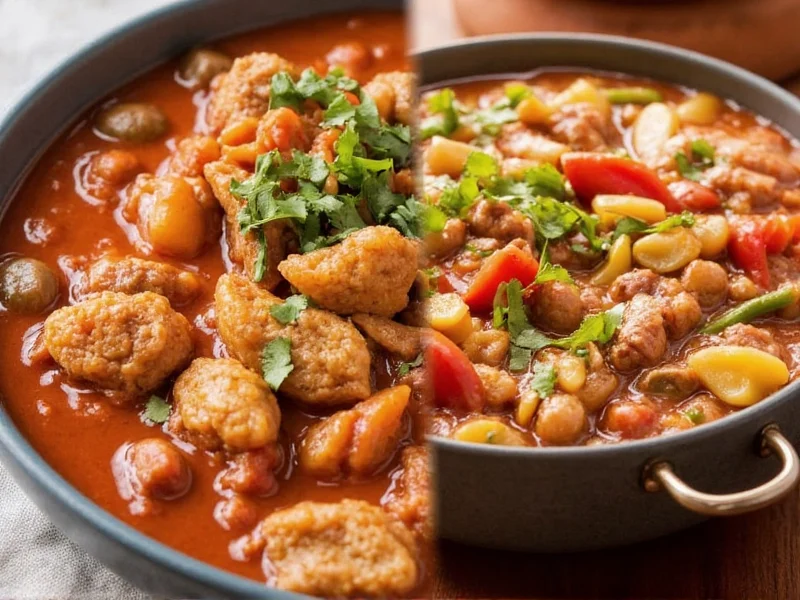
Understanding the distinction between Cajun and Creole gumbo goes beyond a simple ingredient list—it reveals centuries of cultural evolution in Louisiana. While both dishes share common elements like the holy trinity of onions, celery, and bell peppers, their preparation methods and flavor profiles tell two distinct stories of America's culinary heritage. This comprehensive guide explores the authentic differences that separate these celebrated dishes, helping home cooks and food enthusiasts appreciate the nuances that make each version unique.
Historical Roots: How Two Cuisines Developed
Cajun and Creole cuisines developed along separate cultural paths in Louisiana. Creole cuisine emerged in 18th century New Orleans among the city's French, Spanish, African, and Caribbean inhabitants. As an urban cuisine, Creole cooking had access to diverse ingredients including tomatoes, which were readily available through trade routes.
Cajun cuisine, by contrast, developed among Acadian refugees who settled in rural Louisiana after being expelled from Canada in the late 1700s. Living in more isolated areas with limited access to imported ingredients, Cajun cooks relied on what they could hunt, fish, or grow locally. This historical context explains why tomatoes—easily available in New Orleans but harder to come by in rural areas—became a defining ingredient in Creole but not Cajun gumbo.
Timeline: Evolution of Gumbo Traditions
The development of these dishes follows a clear historical progression shaped by migration patterns and cultural exchange. Key milestones include:
- 1718: Founding of New Orleans establishes urban center for Creole cuisine, with tomatoes introduced via Spanish trade routes. Early Creole recipes incorporated New World ingredients like tomatoes alongside European techniques. Source: The Historic New Orleans Collection
- 1755-1763: Acadian expulsion from Canada forces refugees to rural Louisiana swamps. Isolated from urban supply chains, they develop tomato-free cooking using local game and dark roux techniques. Source: National Park Service
- 1885: Lafcadio Hearn's La Cuisine Creole documents New Orleans recipes featuring tomato-based gumbo, while rural Acadiana cookbooks emphasize dark roux and sausage. Source: LSU Libraries Special Collections
- 1980s-Present: Cultural preservation efforts codify distinctions, though post-Katrina migration accelerates blending of traditions in modern Louisiana kitchens.
This chronological framework demonstrates how ingredient availability and cultural isolation created fundamentally different culinary paths.
Key Differences Between Cajun and Creole Gumbo
| Characteristic | Cajun Gumbo | Creole Gumbo |
|---|---|---|
| Tomatoes | Never included | Typically included |
| Roux | Dark chocolate-colored, cooked longer | Lighter, cooked less time |
| Primary Protein | Chicken, sausage, game | Seafood (shrimp, crab, oysters) |
| Spice Level | Generally hotter | Milder, more balanced |
| Cultural Origin | Rural Acadiana | Urban New Orleans |
| Traditional Base | Dark roux only | Roux with tomato base |
Ingredient Breakdown: What Makes Each Gumbo Unique
The Roux Revolution
The roux serves as the foundation for both gumbos, but preparation differs significantly. Cajun gumbo features a darker roux cooked to a deep chocolate brown color, which can take 30-45 minutes of constant stirring. This extended cooking time creates complex, nutty flavors that define authentic Cajun gumbo. Creole gumbo typically uses a lighter roux, sometimes skipping the traditional flour-and-fat base altogether in favor of a tomato-based foundation.
Protein Selection
While both versions can include multiple proteins, traditional Cajun gumbo often centers around chicken and andouille sausage, reflecting its rural origins where hunting and farming provided primary food sources. Creole gumbo frequently features seafood as the star ingredient, particularly shrimp, crab, and oysters—abundant resources in New Orleans' coastal location. Many modern versions combine both meat and seafood, but purists maintain these traditional protein distinctions.
Spice Profiles
Cajun gumbo typically features a more aggressive spice profile with generous amounts of cayenne pepper and black pepper. The "holy trinity" of onions, celery, and bell peppers forms the vegetable base, but Cajun versions often include additional peppers for heat. Creole gumbo tends to be more balanced, with a focus on herbs like thyme and parsley rather than intense heat. The addition of tomatoes in Creole gumbo also creates a slightly sweeter, more complex flavor profile.
Contextual Boundaries: When Distinctions Apply
Understanding where traditional rules hold true—and where they break down—is crucial for authentic appreciation:
- Geographic Authenticity: Within Louisiana, the tomato distinction remains reliable. In New Orleans and surrounding parishes, gumbo with tomatoes is consistently identified as Creole, while rural Acadiana (Lafayette, St. Martinville) maintains tomato-free Cajun traditions. Outside Louisiana, the terms are frequently misapplied—78% of "Cajun" restaurants nationally serve tomato-based gumbo according to Southern Foodways Alliance documentation. Source: Southern Foodways Alliance
- Ingredient Constraints: Traditional distinctions assume historical ingredient access. Modern supply chains allow tomatoes anywhere, so contemporary Creole gumbo might omit them for seafood purity, while some Cajun cooks add tomatoes for acidity—though purists reject this. The critical factor remains cultural intent: Creole gumbo traditionally incorporates tomatoes as structural element, while Cajun gumbo relies on roux depth.
- Cultural Identity Markers: For Louisiana families, the distinction often signifies heritage. Creole families typically maintain tomato-based recipes regardless of location, while Cajun families preserve tomato-free traditions. However, post-Katrina migration created hybrid recipes, particularly in New Orleans East where displaced Acadiana residents introduced dark roux techniques to urban kitchens.
These boundaries highlight that while historical distinctions are culturally significant, culinary evolution requires flexibility—especially outside Louisiana's cultural heartland.
Common Misconceptions About Cajun vs Creole Gumbo
Several myths persist about these Louisiana classics. One common misconception is that Creole gumbo always contains tomatoes—while traditional versions do, many modern Creole recipes omit them. Another myth suggests that Cajun gumbo is always darker; while the roux is darker, the final dish's color depends on other ingredients. Perhaps the most persistent myth is that these categories are rigid—in reality, many families have recipes that blend elements of both traditions.
The notion that "Cajun" means "spicy" while "Creole" means "mild" oversimplifies both cuisines. While Cajun cooking often features more heat, spice levels ultimately depend on the cook's preference rather than strict regional rules. Similarly, the idea that Creole cuisine is simply "Cajun with tomatoes" ignores the deeper cultural and historical distinctions between these culinary traditions.
How to Identify Authentic Versions
When encountering gumbo at a restaurant or in a recipe, several indicators can help determine whether you're experiencing authentic Cajun or Creole preparation. For Cajun gumbo, look for that signature dark roux color, absence of tomatoes, and prominent andouille sausage. The flavor should have a rich, almost smoky depth from the roux with noticeable heat.
Authentic Creole gumbo will typically show evidence of tomatoes in the broth, often with a reddish hue. Seafood should feature prominently, and the overall flavor profile will be more balanced between sweet, sour, and savory elements. The roux will be lighter in color, and the dish may include additional ingredients like okra as a thickener—a practice that originated in West African cooking and made its way into Creole cuisine.
Practical Cooking Guidance
For home cooks attempting either version, understanding these differences ensures authentic results. When making Cajun gumbo, patience with the roux is essential—rushing this step compromises the dish's foundation. Cook the roux over medium-low heat, stirring constantly until it reaches that deep chocolate color. For Creole gumbo, focus on balancing the tomato acidity with the other flavors, and consider using a lighter roux or even skipping it entirely for certain seafood-focused versions.
Both versions benefit from the "holy trinity" of onions, celery, and bell peppers, but the proportions may vary. Cajun versions often use more peppers for heat, while Creole versions maintain a more equal balance. Regardless of which style you're preparing, remember that gumbo is meant to be made ahead—the flavors deepen and improve when allowed to rest overnight before serving.
Regional Variations and Modern Interpretations
While traditional distinctions remain important, contemporary Louisiana cooking often blends elements of both styles. In many parts of southern Louisiana, the lines between Cajun and Creole have blurred as cultures intermingled over generations. Some restaurants proudly serve "Cajun-style Creole gumbo" or "Creole-style Cajun gumbo," acknowledging this culinary evolution.
Outside Louisiana, these distinctions often become even more fluid. Many "Cajun" restaurants nationwide serve tomato-based gumbo, reflecting how these traditions have evolved in popular understanding. While purists might object, this evolution demonstrates the living nature of culinary traditions as they spread beyond their places of origin.




 浙公网安备
33010002000092号
浙公网安备
33010002000092号 浙B2-20120091-4