
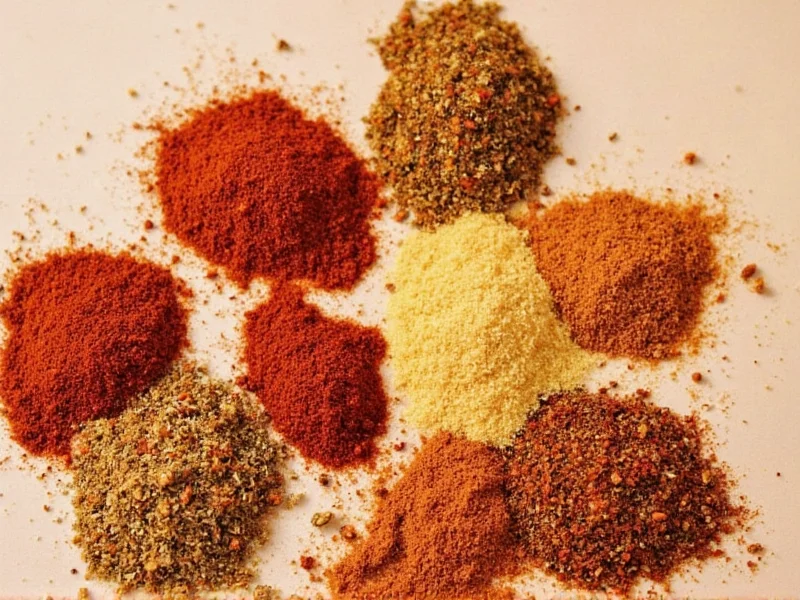
Why Make Your Own Cajun Seasoning Mix
Creating your own cajun seasoning mix at home gives you complete control over ingredients and flavor intensity. Unlike store-bought versions that often contain fillers or excessive salt, a homemade cajun seasoning blend delivers authentic Louisiana flavors with customizable heat levels. This simple spice mix enhances everything from seafood and chicken to vegetables and roasted potatoes, bringing that distinctive Southern flair to your kitchen.
Essential Ingredients for Authentic Cajun Flavor
The magic of cajun seasoning comes from its balanced blend of spices that create that signature smoky, slightly spicy profile. Each component serves a specific purpose in building complex flavor:
| Ingredient | Flavor Contribution | Key Benefit |
|---|---|---|
| Paprika | Earthy base with subtle sweetness | Provides rich color and foundational flavor |
| Garlic Powder | Pungent, savory depth | Adds umami without burning like fresh garlic |
| Onion Powder | Sweet, aromatic base note | Complements garlic without overpowering |
| Dried Thyme | Floral, slightly minty herbal note | Authentic Louisiana cooking staple |
| Cayenne Pepper | Controlled heat | Adjustable for personal spice tolerance |
Step-by-Step Homemade Cajun Seasoning Recipe
Follow these simple steps to create restaurant-quality cajun seasoning in minutes using pantry staples:
Basic Cajun Seasoning Mix Recipe
Makes approximately ¼ cup (enough for multiple uses)
Ingredients
- 2 tablespoons paprika (smoked paprika for extra depth)
- 1 tablespoon garlic powder
- 1 tablespoon onion powder
- 1 tablespoon dried oregano
- 1 tablespoon dried thyme
- 1 teaspoon cayenne pepper (adjust to taste)
- 1 teaspoon freshly ground black pepper
- 1 teaspoon fine sea salt
- ½ teaspoon white pepper (optional for authentic heat)
Preparation Instructions
- Combine all ingredients in a small mixing bowl
- Use a whisk to thoroughly blend spices for 1-2 minutes
- Sift mixture through a fine mesh strainer to eliminate clumps
- Transfer to an airtight glass container or spice jar
- Store in a cool, dark place away from heat sources
Mastering Cajun Seasoning Variations
Once you've mastered the basic cajun seasoning mix recipe, experiment with these authentic regional variations to suit different dishes and preferences:
Spicy Cajun Blend for Seafood
Increase cayenne to 1½ teaspoons and add ½ teaspoon of crushed red pepper flakes. This extra heat stands up beautifully to shrimp, crawfish, and fish. Many home cooks searching for spicy cajun seasoning mix recipe for seafood boils find this variation essential.
Mild Family-Friendly Version
Reduce cayenne to ½ teaspoon and omit white pepper entirely. Substitute with ½ teaspoon celery seed for added complexity without heat. This mild cajun seasoning mix recipe for kids maintains authentic flavor while accommodating sensitive palates.
Smoky Cajun Rub Alternative
Replace regular paprika with smoked paprika and add ½ teaspoon of ground cumin. This creates a deeper, more complex profile perfect for dry rubs on meats. When searching for a smoky cajun dry rub seasoning recipe, this adaptation delivers exceptional results.
Proper Storage and Shelf Life
Maximize freshness and potency of your homemade cajun seasoning mix with these storage guidelines:
- Use amber or cobalt glass containers to protect from light exposure
- Store away from stove and other heat sources (heat degrades spice quality)
- Keep container tightly sealed when not in use
- Label with preparation date for freshness tracking
- Maximum shelf life: 6 months for peak flavor (though safe indefinitely)
Notice diminished color or aroma? It's time to make a fresh batch. Many cooks searching for how long does homemade cajun seasoning last appreciate knowing these specific storage parameters.
Culinary Applications and Usage Tips
Understanding how to properly use your cajun seasoning mix elevates your cooking from good to exceptional. Here's how professional chefs incorporate this versatile blend:
Meat and Seafood Preparation
For chicken, pork, or beef: Apply 1-2 teaspoons per pound of meat 30 minutes before cooking. For seafood: Use 1 teaspoon per pound and reduce cooking time slightly as spices can accelerate browning. When following a cajun shrimp seasoning mix recipe, remember that shellfish requires less seasoning than meats.
Vegetable and Side Dishes
Toss roasted vegetables with ½ teaspoon of cajun seasoning per serving. For cornbread or mashed potatoes, incorporate 1 teaspoon directly into the batter or mixture. Home cooks searching for cajun seasoning mix recipe for roasted vegetables often overlook this simple application method.
Soups, Stews, and Sauces
Add seasoning early in the cooking process to allow flavors to meld. Start with 1 teaspoon per quart of liquid and adjust to taste. For gumbo or jambalaya, many traditional cajun gumbo seasoning mix recipe preparations include additional fresh garlic and onions sautéed with the roux.
Troubleshooting Common Issues
Even simple spice blends can present challenges. Here's how to address frequent problems with homemade cajun seasoning:
Too Spicy? Here's the Fix
If your mix turns out hotter than expected, double the other ingredients (except salt) to balance the heat. Never add liquid to reduce spiciness in dry blends. Many home chefs searching for how to fix too spicy cajun seasoning make the mistake of adding moisture, which compromises shelf life.
Flavor Lacks Depth
If your seasoning tastes flat, add ¼ teaspoon of celery seed and ⅛ teaspoon of ground allspice. These subtle additions create the complex background notes characteristic of authentic Louisiana cooking. This solution often addresses concerns in why does my cajun seasoning taste bland queries.
Clumping Problems
Prevent clumping by ensuring all ingredients are completely dry before mixing. Add 1-2 grains of uncooked white rice to the container to absorb moisture. This practical tip resolves most issues behind how to keep cajun seasoning from clumping searches.




 浙公网安备
33010002000092号
浙公网安备
33010002000092号 浙B2-20120091-4