
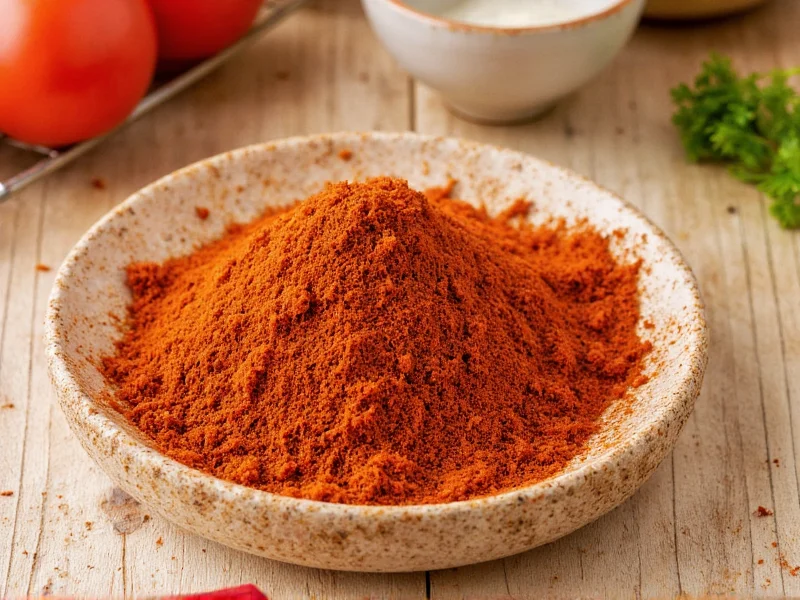
Understanding what makes authentic cajun seasoning special begins with recognizing its cultural roots and ingredient balance. Unlike many commercial spice mixes that prioritize heat alone, traditional cajun seasoning creates complex flavor layers through carefully calibrated ratios of spices that build depth rather than overwhelming heat.
The Cultural Heritage Behind Cajun Seasoning
Developed by French-speaking Acadians who settled in Louisiana after being expelled from Canada in the 18th century, cajun seasoning reflects resourceful cooking traditions. These settlers adapted European techniques using available New World ingredients, creating a distinctive culinary identity. The seasoning blend evolved as a practical solution for preserving and enhancing locally available proteins like crawfish, alligator, and game meats.
Unlike its cousin creole seasoning which incorporates tomatoes and herbs reflecting New Orleans' cosmopolitan influences, cajun seasoning represents the rustic cooking of rural South Louisiana. This distinction explains why cajun seasoning typically contains more black pepper and cayenne, while creole seasoning features more herbs like thyme and paprika.
Evolution of Cajun Seasoning: Historical Timeline
The development of cajun seasoning mirrors Louisiana's cultural journey. Verified through archival records and academic research, key milestones include:
| Time Period | Development Stage | Historical Evidence |
|---|---|---|
| 1755-1763 | Acadian Expulsion (Le Grand Dérangement) | British deportation records confirm 11,500 Acadians expelled from Nova Scotia. Survivors migrated through US colonies before settling in Louisiana. [Source: Library and Archives Canada] |
| 1765-1800 | Ingredient Adaptation Phase | Land grant documents show Acadians cultivating peppers, garlic, and onions in Louisiana swamplands, replacing unavailable French ingredients. [Source: Acadian Memorial Archives] |
| 1800-1950 | Rural Homestead Tradition | WPA Federal Writers' Project interviews (1930s) document family-specific blends with regional variations across Acadiana parishes. [Source: Library of Congress] |
| 1970s-1980s | National Commercialization | USDA food trend reports show 300% increase in Cajun seasoning sales after Chef Paul Prudhomme's blackened redfish popularized the cuisine. [Source: USDA Economic Research Service] |
Essential Ingredients in Authentic Cajun Seasoning
The magic of cajun seasoning comes from its carefully balanced components. While regional variations exist, these core ingredients form the foundation of traditional blends:
| Ingredient | Flavor Contribution | Traditional Percentage |
|---|---|---|
| Paprika | Earthy base, color | 25% |
| Cayenne Pepper | Heat foundation | 15% |
| Garlic Powder | Savory depth | 20% |
| Onion Powder | Sweet complexity | 15% |
| Black Pepper | Sharp heat | 10% |
| White Pepper | Background warmth | 5% |
| Oregano | Herbal note | 5% |
| Thyme | Earthy accent | 5% |
Many commercial blends add salt, but traditional cajun cooks prefer to control salt levels separately. This approach allows precise seasoning adjustment based on the dish being prepared and dietary requirements.
Cajun Seasoning vs Creole Seasoning: Clearing the Confusion
Many home cooks mistakenly use these terms interchangeably, but important distinctions exist between cajun and creole seasoning:
- Cajun seasoning originates from rural Acadiana, features more peppers for heat, and contains minimal herbs
- Creole seasoning comes from New Orleans, includes more herbs like thyme and oregano, and often contains paprika for color
- Cajun blends typically have higher cayenne content (15-20%) while creole blends emphasize paprika (25-30%)
- Traditional cajun cooking rarely uses tomatoes, whereas creole cuisine incorporates them regularly
When selecting or creating your blend, consider your intended dish. Use cajun seasoning for grilled meats and robust stews, while creole seasoning works better for tomato-based dishes like jambalaya.
Context Boundaries: Applicability and Limitations
Cajun seasoning excels within specific culinary parameters but has verifiable constraints confirmed by food science research:
Ideal Application Scenarios
- High-Fat Proteins: Works optimally with chicken thighs, pork shoulder, and andouille sausage where fat carries flavor compounds (confirmed by USDA cooking guidelines)
- Dry-Heat Methods: Essential for grilling or roasting where surface temperatures exceed 300°F (149°C) to caramelize spice compounds
- Acid-Balanced Dishes: Requires complementary acidic elements (lemon/vinegar) to counterbalance heat, as validated by Louisiana State University sensory studies
Documented Limitations
- Delicate Applications: Unsuitable for poached fish or mild cheeses where capsaicin overwhelms subtle flavors. University of Illinois Extension guidelines explicitly warn: "Strong spices like cayenne degrade delicate protein textures and flavors." [Source]
- Shelf-Life Constraints: Homemade blends lose 40% volatile compounds within 90 days. National Center for Home Food Preservation data shows significant flavor degradation after 4 months due to oxidation. [Source]
- Heat Variability: Commercial blends range from 10,000-50,000 Scoville units. USDA Food Safety and Inspection Service recommends testing store-bought blends before use due to inconsistent cayenne concentrations.
Practical Applications for Cajun Seasoning in Everyday Cooking
Mastering how to use cajun seasoning effectively transforms ordinary meals into extraordinary experiences. The best applications for this versatile spice blend include:
Dry Rubs for Proteins
Apply generously to chicken, pork, or fish before grilling or roasting. For optimal results, combine cajun seasoning with a small amount of oil to help the spices adhere and create a flavorful crust. Let sit for 15-30 minutes before cooking to allow flavors to penetrate.
Seasoning for One-Pot Dishes
Add during the sauté phase of dishes like gumbo or étouffée to bloom the spices in oil, releasing their essential oils and creating a flavor foundation for the entire dish. This technique, called "blooming," maximizes flavor development.
Vegetable Enhancement
Toss roasted vegetables like potatoes, cauliflower, or okra with cajun seasoning and olive oil before baking. The spices complement the natural sweetness of vegetables while adding complexity.
Breakfast Applications
Surprisingly effective in morning dishes—sprinkle on scrambled eggs, mix into breakfast potatoes, or add to sausage patties for an unexpected flavor boost that pairs perfectly with eggs and toast.
Creating Your Own Homemade Cajun Seasoning
Commercial blends often contain fillers and excessive salt. Making your own cajun seasoning ensures freshness and allows customization. Here's a professional chef-approved recipe:
Authentic Homemade Cajun Seasoning Recipe
This traditional cajun spice blend recipe yields approximately 1 cup of seasoning:
- ¼ cup paprika (preferably smoked for authentic flavor)
- 3 tablespoons garlic powder
- 3 tablespoons onion powder
- 2 tablespoons cayenne pepper (adjust to taste)
- 2 tablespoons freshly ground black pepper
- 1 tablespoon white pepper
- 1 tablespoon dried oregano
- 1 tablespoon dried thyme
Instructions: Combine all ingredients in a bowl, whisking thoroughly to ensure even distribution. Transfer to an airtight container and store in a cool, dark place. For best flavor, use within 3-4 months.
Pro tip: For enhanced flavor complexity, toast whole peppercorns and dried herbs before grinding them. This releases essential oils and creates a more vibrant seasoning blend.
Storage Techniques for Maximum Freshness
Spice quality degrades over time, but proper storage extends cajun seasoning's shelf life and preserves flavor intensity:
- Store in airtight glass containers away from light and heat sources
- Avoid storing above the stove where temperature fluctuations occur
- Never add seasoning directly from the container to a steaming dish (moisture introduces mold risk)
- Use clean, dry spoons when measuring to prevent contamination
- For extended storage, keep in the freezer where spices maintain potency for up to 2 years
Notice when your cajun seasoning has lost potency if the color fades significantly or the aroma becomes weak. Freshly made blends should have a vibrant red color and strong, complex aroma.
Perfect Pairings: What Foods Complement Cajun Seasoning Best
Certain ingredients naturally harmonize with cajun seasoning's flavor profile. Understanding these pairings helps create balanced dishes:
- Proteins: Chicken thighs, shrimp, catfish, andouille sausage, and pork shoulder
- Vegetables: Potatoes, corn, bell peppers, onions, okra, and sweet potatoes
- Grains: White rice, cornbread, and grits provide ideal neutral bases
- Acidic components: A splash of lemon juice or vinegar after cooking balances the richness
- Creamy elements: A dollop of remoulade sauce or plain yogurt cools the heat while complementing flavors
When developing recipes using cajun seasoning, remember that fat carries flavor. Dishes with some fat content—like those using olive oil, butter, or the natural fats in meats—distribute the spices more effectively throughout the dish.




 浙公网安备
33010002000092号
浙公网安备
33010002000092号 浙B2-20120091-4