
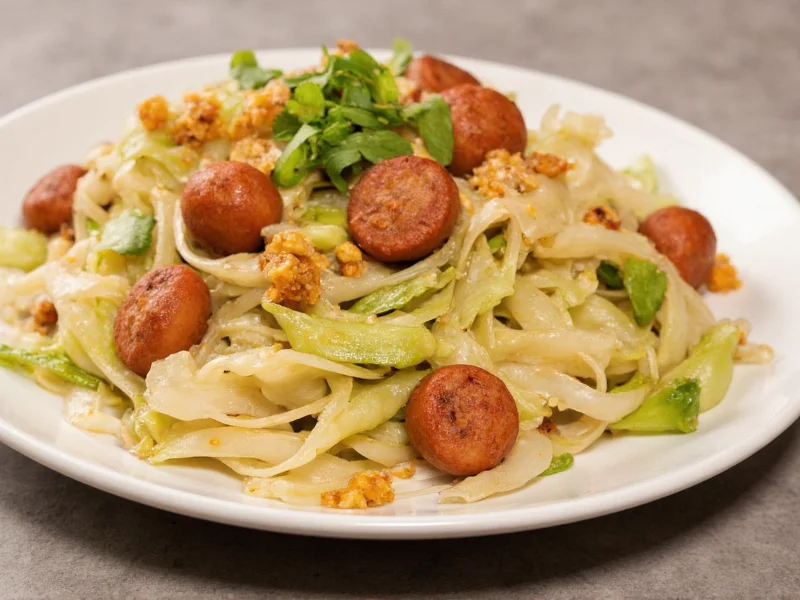
Combining cabbage and sausage creates one of the most satisfying comfort food pairings across multiple culinary traditions. This humble combination transforms simple ingredients into a hearty, flavorful meal that's both economical and nutritionally balanced. Whether you're looking for a quick weeknight dinner or a traditional cultural dish, cabbage with sausage delivers exceptional flavor with minimal effort.
Why Cabbage and Sausage Make the Perfect Pair
The culinary magic happens through flavor synergy. Cabbage's natural sweetness intensifies when cooked, while sausage provides savory depth and umami. When preparing how to cook cabbage with sausage properly, the rendered fat from the sausage carries flavor throughout the dish, while the cabbage absorbs these rich notes without becoming greasy.
From a nutritional standpoint, this combination offers impressive benefits. Cabbage provides vitamin C, fiber, and antioxidants, while sausage contributes protein. For those seeking healthy cabbage and sausage recipes, choosing leaner sausage varieties and controlling portion sizes creates a balanced meal.
Selecting the Best Ingredients
The quality of your ingredients determines your dish's success. When creating traditional cabbage and sausage dishes, consider these selection guidelines:
| Ingredient | Best Choices | Avoid |
|---|---|---|
| Cabbage | Firm heads with crisp, vibrant leaves (green, savoy, or napa) | Wilted, discolored, or loose-leaf varieties |
| Sausage | Kielbasa, smoked sausage, or bratwurst with visible meat texture | Highly processed sausages with artificial ingredients |
| Aromatics | Fresh onions, garlic, and optional apples for sweetness | Pre-minced or powdered alternatives |
Classic Preparation Methods
While easy cabbage and sausage dinner ideas vary by culture, three primary cooking techniques yield excellent results:
1. Stovetop Sauté (Most Common Method)
This quick cabbage with sausage recipe works in one skillet:
- Slice 1 pound smoked sausage into 1/2-inch rounds
- Cook sausage in large skillet over medium heat until browned (5-7 minutes)
- Remove sausage, leaving 1-2 tablespoons fat in pan
- Add 1 diced onion and cook until softened (3-4 minutes)
- Add 1 thinly sliced head of cabbage and 1 sliced apple (optional)
- Cook until cabbage reaches desired tenderness (8-12 minutes)
- Return sausage to pan, season with caraway seeds, salt, and pepper
- Cook 2-3 minutes more to blend flavors
2. Sheet Pan Roasting
For hands-off cooking, spread sliced cabbage and sausage on a sheet pan. Toss with 1 tablespoon oil, salt, and pepper. Roast at 400°F (200°C) for 25-30 minutes, stirring once, until cabbage edges caramelize and sausage browns. This sheet pan cabbage and sausage meal requires minimal attention while delivering deep flavor.
3. Slow Cooker Method
For tender results with minimal effort, combine all ingredients in a slow cooker. Cook on low for 4-6 hours until cabbage becomes meltingly tender. This slow cooker cabbage with sausage recipe works well for meal prep or when entertaining.
Cultural Variations Worth Trying
Explore these regional takes on cabbage and sausage dinner recipes:
- Polish Kapusta z Kiełbasą - Features sauerkraut instead of fresh cabbage, often with bacon and marjoram
- German Kohlwurst - Typically uses weisswurst with caraway and apple cider
- American Midwest Style - Often includes bacon, onions, and a touch of vinegar for brightness
- Eastern European Hunter's Stew - Combines cabbage, sausage, mushrooms, and tomatoes in a hearty stew
Pro Tips for Perfect Results Every Time
Master these techniques when preparing your cabbage with smoked sausage dishes:
- Don't overcrowd the pan - Cook cabbage in batches if necessary to prevent steaming
- Control moisture - If cabbage releases too much liquid, increase heat to evaporate excess
- Season in layers - Salt cabbage as it cooks to enhance flavor development
- Add acid at the end - A splash of apple cider vinegar brightens rich flavors
- Rest before serving - Let dish sit 5 minutes off heat for flavors to meld
Serving Suggestions and Pairings
Complete your traditional cabbage and sausage meal with these complementary sides:
- Crusty rye bread for soaking up flavorful juices
- Simple green salad with vinaigrette to cut richness
- Mashed potatoes for an extra-hearty meal
- Mustard or horseradish sauce for added dimension
For those exploring healthy cabbage sausage recipes, serve with roasted root vegetables or a side of cooked grains like quinoa or barley to increase fiber content.
Storage and Reheating Guidelines
Properly stored, cooked cabbage and sausage maintains quality for 3-4 days in the refrigerator. For best results when reheating leftover cabbage with sausage:
- Refrigerate within 2 hours of cooking
- Store in airtight container with minimal headspace
- Reheat gently on stove with a splash of water or broth
- Avoid microwave reheating which can make cabbage rubbery
- Freeze portions for up to 3 months in freezer-safe containers
Common Mistakes to Avoid
Even simple cabbage and sausage recipes can go wrong without proper technique:
- Overcooking the cabbage - Results in mushy texture; aim for tender-crisp
- Using pre-shredded cabbage - Loses freshness and becomes watery
- Skipping the sausage browning step - Misses crucial flavor development
- Adding all ingredients at once - Prevents proper layering of flavors
- Underseasoning - Cabbage needs adequate salt to shine
Frequently Asked Questions
What's the best type of sausage for cabbage recipes?
Smoked sausage varieties like kielbasa work best with cabbage because their robust flavor complements the vegetable's mild sweetness. Look for sausages with visible meat texture and minimal fillers. German bratwurst or Polish kielbasa provide authentic flavor profiles for traditional cabbage and sausage dishes.
How do I prevent cabbage from becoming too watery when cooking?
To prevent watery cabbage, slice it uniformly and avoid overcrowding the pan. Cook over medium-high heat to allow moisture to evaporate rather than steam the cabbage. If excess liquid develops, increase the heat slightly and cook uncovered until the liquid reduces. Salting the cabbage as it cooks helps draw out moisture more effectively.
Can I make cabbage and sausage recipes healthier?
Yes, you can create healthier cabbage and sausage recipes by choosing leaner sausage varieties with less fat content, using turkey or chicken sausage, or removing excess fat after browning the sausage. Increase the cabbage-to-sausage ratio, add more vegetables like carrots or bell peppers, and serve with a side salad instead of heavy starches.
What are traditional seasonings for cabbage with sausage?
Traditional seasonings for cabbage with sausage include caraway seeds, which are particularly common in German and Eastern European preparations. Other popular options are black pepper, marjoram, thyme, and a touch of apple cider vinegar or lemon juice added at the end. Some recipes include a small amount of sugar to balance the cabbage's natural bitterness.
How long does cooked cabbage and sausage keep in the refrigerator?
Properly stored in an airtight container, cooked cabbage and sausage will maintain quality for 3-4 days in the refrigerator. For best results when reheating, add a small amount of liquid and warm gently on the stove rather than using a microwave, which can make the cabbage rubbery.




 浙公网安备
33010002000092号
浙公网安备
33010002000092号 浙B2-20120091-4