
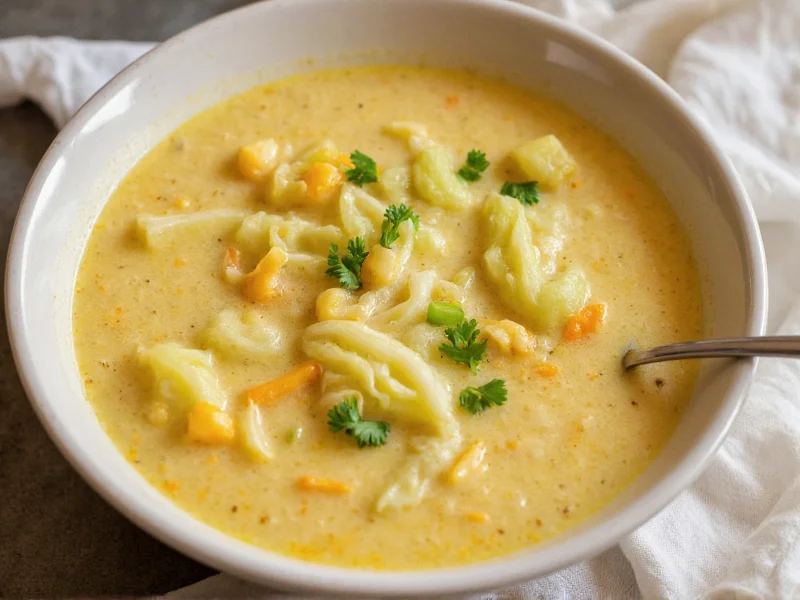
Nothing beats a warm bowl of homemade cabbage soup, especially when the weather turns chilly. This versatile dish has nourished families across Eastern Europe for centuries and has gained global popularity for its simplicity, affordability, and remarkable health benefits. Whether you're looking for a comforting winter meal or a light summer soup, cabbage soup adapts beautifully to seasonal ingredients and dietary preferences.
The Historical Evolution of Cabbage Soup
Cabbage soup's journey spans millennia, evolving from simple peasant fare to a globally recognized comfort food. Understanding its historical context enriches our appreciation of this humble dish:
- Ancient Origins (3000 BCE - 1st Century CE): Cabbage cultivation began in coastal Europe, with early soup preparations documented by Roman agricultural writers. Its hardiness made it indispensable for winter nutrition. Source: Smithsonian Magazine
- Medieval Staple (5th-15th Century): As cabbage spread across Europe, it became a dietary cornerstone, particularly in Eastern Europe where versions like Poland's kapuśniak emerged as cultural staples during harsh winters. Source: Smithsonian Magazine
- Modern Adaptations (18th Century - Present): Immigrant communities introduced regional variations worldwide. The 20th century saw the rise of diet-focused versions, though health authorities emphasize balanced nutrition over short-term fixes. Source: Mayo Clinic
Why Cabbage Soup Deserves a Place in Your Recipe Collection
Cabbage soup represents one of the most economical and nutritious meals you can prepare. Packed with vitamins C and K, fiber, and antioxidants, this humble soup supports digestive health while remaining incredibly low in calories. The beauty of cabbage soup lies in its versatility—adapt it for vegetarian, vegan, or meat-based versions depending on your dietary needs and what's available in your kitchen.
Essential Ingredients for Perfect Cabbage Soup
Selecting quality ingredients makes all the difference in creating a cabbage soup that shines. Here's what you'll need for the classic version:
| Ingredient | Quantity | Substitution Options |
|---|---|---|
| Green cabbage | 1 medium head (about 2 lbs) | Savoy cabbage, Napa cabbage, or a mix |
| Yellow onion | 1 large | Shallots or leeks |
| Carrots | 2 medium | Parsnips or celery root |
| Garlic | 3 cloves | 1 teaspoon garlic powder (less flavorful) |
| Vegetable or beef broth | 6 cups | Homemade stock for best flavor |
| Tomato paste | 2 tablespoons | 1 diced tomato (fresh or canned) |
| Olive oil | 2 tablespoons | Butter or avocado oil |
Step-by-Step Cabbage Soup Preparation
Follow these straightforward steps to create a cabbage soup that tastes like it simmered all day (even though it only takes 45 minutes):
- Prepare vegetables: Finely chop the cabbage into thin ribbons (about ¼ inch wide). Dice the onion, carrots, and celery into uniform ¼-inch pieces. Mince the garlic.
- Sauté aromatics: Heat olive oil in a large pot over medium heat. Add onions and carrots, cooking until softened (about 5 minutes). Stir in garlic and tomato paste, cooking for 1 minute until fragrant.
- Add cabbage: Incorporate the chopped cabbage into the pot, stirring to combine with the aromatics. Cook for 5 minutes, allowing the cabbage to begin wilting.
- Pour in broth: Add broth, bay leaf, and a pinch of black pepper. Bring to a boil, then reduce heat to low.
- Simmer: Cover and simmer for 30 minutes, or until vegetables reach your desired tenderness. Stir occasionally to prevent sticking.
- Season: Remove bay leaf. Adjust seasoning with salt, additional pepper, or a splash of apple cider vinegar for brightness.
Popular Cabbage Soup Variations
Once you've mastered the basic recipe, experiment with these delicious adaptations:
- Polish Kapuśniak: Add ½ pound of smoked sausage or kielbasa with the broth, plus 1 diced potato and 1 teaspoon caraway seeds
- Vegan Cabbage Soup: Use vegetable broth and add 1 cup of white beans during the last 10 minutes of cooking
- Weight Loss Cabbage Soup: Omit added fats and include additional non-starchy vegetables like zucchini and bell peppers
- Creamy Cabbage Soup: Blend half the soup after cooking and stir in ½ cup of coconut milk or heavy cream
- Instant Pot Cabbage Soup: Pressure cook for 8 minutes with quick release for a faster version of this easy cabbage soup recipe
Contextual Suitability and Limitations
While cabbage soup variations offer remarkable flexibility, each has specific dietary contexts where it shines—and situations where alternative approaches may be preferable. This evidence-based guidance helps you select the optimal version for your needs:
| Variation | Best For | Key Limitations | Authoritative Guidance |
|---|---|---|---|
| Polish Kapuśniak | Cold-weather sustenance, protein-rich meals | Not suitable for vegetarian/vegan diets | USDA Dietary Guidelines |
| Vegan Cabbage Soup | Plant-based lifestyles, digestive health support | Requires protein pairing for complete nutrition | Academy of Nutrition and Dietetics |
| Weight Loss Soup | Short-term calorie restriction (1-3 days) | Not nutritionally complete for extended use | Mayo Clinic Advisory |
Serving Suggestions for Maximum Enjoyment
Cabbage soup shines when paired thoughtfully. Consider these serving options:
- Top with fresh dill, parsley, or chives for brightness
- Serve with a dollop of sour cream or Greek yogurt
- Pair with crusty bread or rye bread for dipping
- Add a squeeze of fresh lemon juice just before serving
- For protein boost, add cooked shredded chicken or white beans
Storage and Reheating Guidelines
One of the best features of this healthy cabbage soup recipe is how well it stores:
- Refrigeration: Store in airtight containers for up to 5 days
- Freezing: Freeze portions for up to 3 months (thaw overnight in refrigerator)
- Reheating: Warm gently on stove over medium-low heat, adding a splash of broth if needed
- Flavor development: Like most soups, cabbage soup tastes even better the second day as flavors meld
Nutritional Benefits of Cabbage Soup
This simple cabbage soup recipe delivers impressive nutritional value per serving (1.5 cups):
- Approximately 120 calories (without meat additions)
- Excellent source of vitamin C (75% of daily value)
- High in vitamin K (providing 90% of daily requirement)
- Good source of dietary fiber (5g per serving)
- Naturally low in fat and sodium (when using low-sodium broth)
Nutritional estimates are based on USDA FoodData Central measurements and may vary with ingredient substitutions. For detailed nutrient analysis, consult the USDA FoodData Central database.
The fermentation potential of cabbage also makes this soup beneficial for gut health, especially when allowed to sit for a day before consumption. For those following specific dietary plans, this cabbage soup recipe adapts beautifully to keto, paleo, and gluten-free requirements with minor adjustments.
Troubleshooting Common Cabbage Soup Issues
Even the simplest cabbage soup recipe can encounter challenges. Here's how to address them:
- Too watery: Simmer uncovered for additional 10-15 minutes to reduce liquid
- Bland flavor: Add acid (lemon juice or vinegar) and additional seasoning
- Bitter taste: Balance with a pinch of sugar or additional tomato product
- Overcooked vegetables: Reduce simmering time and add delicate vegetables later
- Strong cabbage smell: Add a bay leaf or slice of bread to the pot while cooking (remove before serving)




 浙公网安备
33010002000092号
浙公网安备
33010002000092号 浙B2-20120091-4