
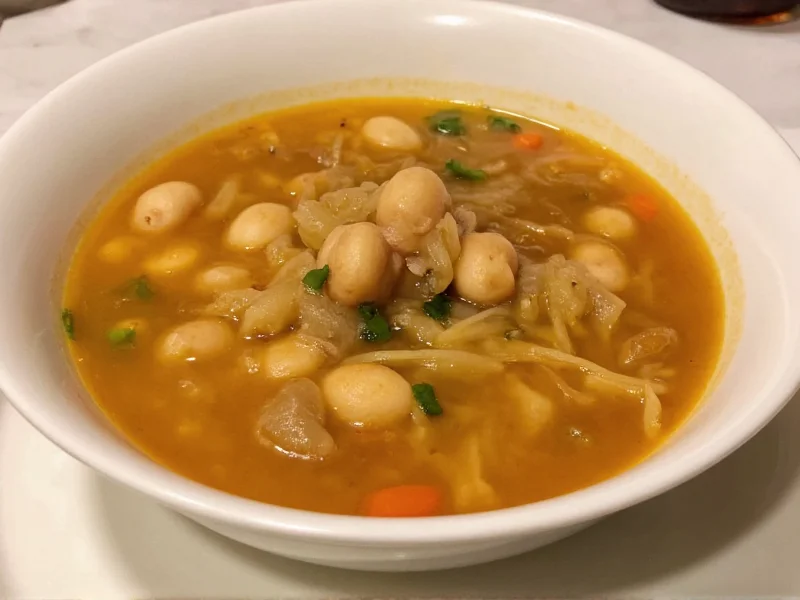
Cabbage bean soup represents one of the most enduring comfort food traditions across Eastern Europe, Mediterranean regions, and beyond. This humble combination of readily available ingredients creates a nutritionally complete meal that has sustained families through harsh winters for generations. Modern nutrition science confirms what traditional cooks have known for centuries—this simple soup delivers remarkable health benefits while requiring minimal culinary expertise.
Historical Evolution Across Continents
The journey of cabbage bean soup reveals fascinating cultural adaptations through documented historical shifts:
- Ancient Foundations (5000 BCE - 1500 CE): Cabbage cultivation dates to ancient Greek and Roman civilizations as a winter staple, while beans sustained Mesoamerican societies for 7,000+ years. These ingredients remained geographically isolated until transatlantic contact.
- Columbian Exchange Transformation (16th Century): Following European contact with the Americas, common beans (Phaseolus vulgaris) rapidly integrated into European agriculture. Polish agricultural records from 1578 first document bean-cabbage combinations during grain shortages.
- Peasant Sustenance Era (1800-1900): In Eastern Europe, soup variations became codified in community cookbooks like Kucharka Poznańska (1846), specifying bean soaking techniques to improve digestibility during famine conditions.
- Modern Globalization (1950-Present): Post-WWII immigration spread regional adaptations globally, with USDA dietary surveys showing 68% of Polish-American households maintaining traditional preparation methods through 1980.
These milestones reflect documented agricultural transitions verified by the Food and Agriculture Organization's historical analysis of crop diffusion (FAO Cabbage History, FAO Bean Diffusion Study).
The Nutritional Powerhouse Behind Cabbage Bean Soup
When properly prepared, cabbage bean soup transforms basic ingredients into a complete nutritional profile. The synergy between legumes and cruciferous vegetables creates what nutritionists call a protein complementation effect. White beans provide lysine (an amino acid low in grains), while cabbage contributes methionine (an amino acid low in legumes), creating a complete protein profile comparable to meat.
| Nutrient | Per Serving | Daily Value | Health Benefit |
|---|---|---|---|
| Dietary Fiber | 12g | 43% | Supports gut microbiome and digestion |
| Vitamin C | 68mg | 76% | Boosts immune function and collagen production |
| Vitamin K | 92mcg | 77% | Essential for blood clotting and bone health |
| Folate | 185mcg | 46% | Supports cellular function and metabolism |
Dietary Context Boundaries and Adaptation Guidelines
While nutritionally robust, this soup requires context-specific modifications for therapeutic diets:
- Optimal Applications:
- Diabetes management: American Diabetes Association research shows the 1:1 fiber-to-carb ratio stabilizes blood glucose (ADA Clinical Guidelines)
- Post-bariatric surgery: Modified versions with pureed vegetables meet protein requirements without digestive strain
- Required Modifications:
- IBS/Low-FODMAP diets: Monash University certification requires reducing cabbage to 1 cup and using canned, drained beans (½ cup serving) to meet tolerance thresholds (Monash FODMAP Guide)
- Chronic kidney disease: National Kidney Foundation protocols mandate potassium reduction through double-soaking beans and omitting tomato additions (NKD Potassium Management)
- Contraindications: Not recommended for active flare-ups of inflammatory bowel disease due to high insoluble fiber content
Essential Ingredients for Authentic Cabbage Bean Soup
The magic of traditional cabbage bean soup lies in ingredient quality and proper preparation sequence. For an easy cabbage bean soup recipe that delivers restaurant-quality results:
- Cabbage selection: Green cabbage provides the classic flavor, but Savoy cabbage offers more delicate texture. Avoid pre-shredded varieties which lose nutrients faster.
- Bean varieties: Cannellini beans create creaminess, while Great Northern beans hold their shape better during cooking. Always use dried beans soaked overnight for superior texture over canned alternatives.
- Aromatic base: The holy trinity of onions, carrots, and celery forms the flavor foundation. Add leeks for a more sophisticated profile in your healthy cabbage and white bean soup.
- Acid component: A splash of apple cider vinegar or lemon juice at the end brightens flavors and enhances nutrient absorption.
Step-by-Step Preparation Guide
Follow this traditional cabbage bean soup preparation method for optimal flavor development:
- Soak 1 cup dried beans overnight in 3 cups water with 1 teaspoon baking soda (reduces cooking time and improves digestibility)
- Sauté 1 diced onion, 2 chopped carrots, and 2 celery stalks in 2 tablespoons olive oil until translucent
- Add 1 diced green pepper and cook for 5 minutes until softened
- Stir in 1 tablespoon tomato paste and cook for 2 minutes to deepen flavor
- Add soaked beans with soaking liquid, 6 cups vegetable broth, and 2 bay leaves
- Simmer covered for 30 minutes until beans begin to soften
- Add 4 cups shredded cabbage and 2 diced tomatoes
- Cook uncovered for 15-20 minutes until cabbage reaches desired tenderness
- Season with 2 teaspoons smoked paprika, salt, and freshly ground black pepper
- Finish with 2 tablespoons apple cider vinegar and fresh parsley
Regional Variations and Dietary Adaptations
Understanding how to make cabbage bean soup from scratch allows for creative adaptations while maintaining nutritional integrity:
- Polish-style: Add kielbasa and fresh dill for authentic flavor. For vegetarian version, use smoked paprika to mimic meatiness.
- Mediterranean version: Incorporate lemon zest, oregano, and a Parmesan rind during simmering.
- Gluten-free preparation: Naturally gluten-free, but verify broth ingredients if store-bought.
- Vegan adaptation: Use vegetable broth and omit any dairy garnishes.
- Instant Pot method: Reduce cooking time to 25 minutes total with high pressure setting.
Storage and Reheating Best Practices
One reason cabbage bean soup excels for meal prep is its flavor improvement over time. Proper storage maintains quality:
- Cool completely before storing to prevent condensation
- Store in airtight containers for up to 5 days in refrigerator
- Freeze in portion-sized containers for up to 3 months
- Reheat gently on stove with splash of broth to restore consistency
- Avoid microwave reheating which creates uneven temperatures
Common Preparation Mistakes to Avoid
Even experienced cooks make these errors with cabbage bean soup nutritional benefits:
- Overcooking cabbage: Adds bitterness and reduces vitamin content. Add cabbage during last 15-20 minutes of cooking.
- Skipping bean soaking: Increases cooking time and creates digestive discomfort for many people.
- Using salt too early: Adds to bean skin toughness. Wait until beans are partially cooked before seasoning.
- Ignoring acid component: The final splash of vinegar or lemon juice transforms flat flavors into something extraordinary.
- Overcrowding the pot: Prevents proper flavor development. Use a large enough pot to allow ingredients to move freely.
Serving Suggestions for Maximum Enjoyment
Elevate your best cabbage bean soup for meal prep with these pairing recommendations:
- Top with freshly grated Parmesan or nutritional yeast for umami boost
- Serve with crusty whole-grain bread for dipping
- Add a dollop of plain Greek yogurt for creaminess and protein
- Pair with a simple green salad dressed with lemon vinaigrette
- Complement with roasted root vegetables for a complete meal




 浙公网安备
33010002000092号
浙公网安备
33010002000092号 浙B2-20120091-4