
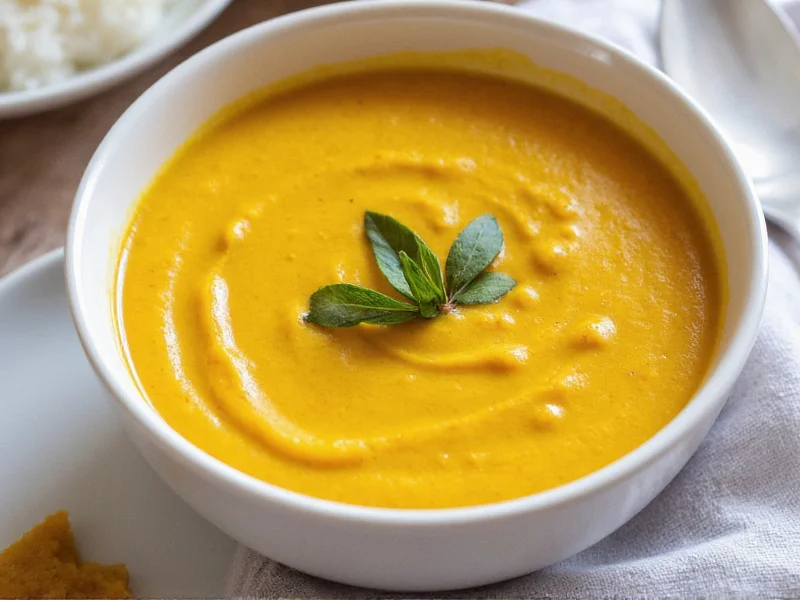
The Perfect Harmony of Butternut Squash and Coconut Milk
Understanding why butternut squash and coconut milk form such a successful pairing begins with their complementary flavor profiles. Butternut squash offers a naturally sweet, nutty base with earthy undertones, while coconut milk contributes creamy richness and subtle tropical notes. Unlike dairy cream, coconut milk maintains stability when heated and provides healthy medium-chain triglycerides. This dairy-free butternut squash soup variation has gained popularity among both vegan cooks and those seeking lighter alternatives to traditional cream-based soups.
Essential Ingredients and Their Roles
Selecting quality components makes all the difference in your easy butternut squash coconut milk soup recipe. Look for dense, heavy squash with smooth, unblemished skin - these indicate maximum sweetness and flesh density. Full-fat coconut milk (not 'light' versions) delivers the necessary creaminess without separation. Fresh ginger adds bright warmth that complements rather than competes with the squash. While many recipes call for onions, using shallots provides more delicate flavor that won't overpower the main ingredients.
Step-by-Step Preparation Guide
Follow these professional techniques for the best results when making creamy butternut squash soup with coconut milk:
- Roast, don't boil: Cut squash into uniform 1-inch cubes, toss with olive oil, salt, and pepper, then roast at 400°F (200°C) for 30-35 minutes until caramelized. This concentrates sweetness better than boiling.
- Bloom spices: Sauté minced shallot and ginger in coconut oil until fragrant, then add spices like cinnamon, nutmeg, and a pinch of cayenne to release their essential oils.
- Gradual liquid addition: Add roasted squash to the pot, then slowly incorporate warm vegetable broth before adding coconut milk to prevent curdling.
- Blend carefully: Use an immersion blender directly in the pot for safest results, or blend in batches with the lid slightly ajar to prevent pressure buildup.
- Final seasoning: Stir in coconut milk after blending, then adjust salt and acid (lemon juice or apple cider vinegar) to brighten flavors.
Context Boundaries: Ideal Use Cases and Practical Limitations
This recipe excels in specific dietary contexts but requires awareness of its limitations. Understanding these boundaries ensures optimal results:
Ideal scenarios: Vegan diets, dairy-free lifestyles, and nut-free requirements (when using pure coconut milk). The soup's plant-based fats provide sustained energy without cholesterol, making it suitable for heart-healthy meal planning as recognized by the American Heart Association's dietary guidelines.
Key limitations: Coconut milk's emulsion can break when exposed to high heat or rapid temperature changes, causing separation. According to food scientists at McGill University, this occurs because "the oil-in-water emulsion destabilizes under thermal stress" (McGill Office for Science and Society, 2021). To prevent this, always add coconut milk off-heat and avoid boiling. Additionally, the distinct coconut flavor may not complement traditional European-style preparations where neutral cream is preferred.
These boundaries don't diminish the recipe's value but provide crucial context for successful adaptation across culinary scenarios.
Nutritional Profile and Health Benefits
Butternut squash soup with coconut milk offers impressive nutritional advantages compared to traditional cream-based versions, with research-backed health benefits. The abundant beta-carotene in squash converts to vitamin A, which is essential for vision and immune function as documented by the National Institutes of Health Office of Dietary Supplements. This combination also delivers healthy fats from coconut (medium-chain triglycerides that support metabolism) and digestive benefits from ginger.
| Nutrient | Per Serving (1.5 cups) | Daily Value % |
|---|---|---|
| Calories | 245 | 12% |
| Total Fat | 18g | 23% |
| Saturated Fat | 14g | 70% |
| Carbohydrates | 22g | 8% |
| Dietary Fiber | 5g | 18% |
| Vitamin A | 320% DV | 320% |
| Vitamin C | 45% DV | 45% |
How This Recipe Compares to Traditional Cream-Based Versions
While both versions offer comforting warmth, key nutritional differences impact dietary suitability. Our analysis, based on USDA FoodData Central standard recipes, reveals important distinctions:
| Nutrient | Coconut Milk Version | Cream-Based Version |
|---|---|---|
| Calories | 245 | 300 |
| Total Fat (g) | 18 | 22 |
| Saturated Fat (g) | 14 | 14 |
| Vitamin A (% Daily Value) | 320% | 200% |
| Cholesterol (mg) | 0 | 40 |
Source: Nutritional estimates based on standard recipes analyzed via USDA FoodData Central (accessed October 2023).
Customizing for Dietary Needs and Preferences
This versatile base recipe adapts beautifully to various dietary requirements. For a protein boost in your healthy butternut squash and coconut milk soup, stir in cooked chickpeas or white beans before serving. Those following low-FODMAP diets can substitute leeks (green parts only) for shallots. To create a butternut squash coconut curry soup variation, add 1-2 tablespoons of red or yellow curry paste when blooming spices. For nut-free versions (important for school lunches or allergies), ensure your coconut milk contains no almond derivatives - most standard varieties are naturally nut-free.
Proper Storage and Reheating Techniques
Understanding butternut squash soup with coconut milk storage tips ensures optimal flavor preservation. Store cooled soup in airtight containers for up to 4 days in the refrigerator or freeze for up to 3 months. When reheating, do so gradually over medium-low heat to prevent coconut milk separation. If separation occurs, an immersion blender can restore smoothness. Avoid boiling during reheating - gentle warming maintains the emulsion. For best results when freezing, omit coconut milk initially, then add fresh when reheating frozen portions.
Serving Suggestions and Pairing Ideas
Elevate your butternut squash coconut milk soup experience with thoughtful accompaniments. A drizzle of toasted coconut milk reduction (simmer coconut milk until reduced by half) adds visual appeal and intensified flavor. For textural contrast, top with spiced pepitas or homemade croutons. Pair with a simple arugula salad dressed in lemon vinaigrette to balance the soup's richness. During colder months, serve alongside crusty whole-grain bread; in warmer seasons, pair with a light quinoa salad. The best spices for butternut squash coconut soup often include a final sprinkle of smoked paprika or fresh thyme just before serving.




 浙公网安备
33010002000092号
浙公网安备
33010002000092号 浙B2-20120091-4