
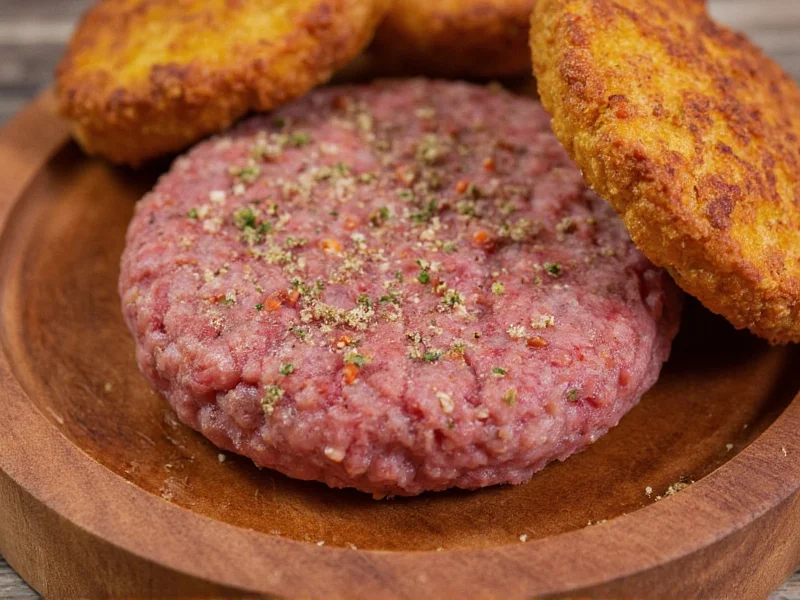
Why This Burger Seasoning Recipe Works
Creating exceptional burgers starts with understanding seasoning chemistry. Unlike store-bought blends loaded with fillers and preservatives, this homemade burger seasoning recipe uses pure spices that interact perfectly with beef's fat content. The paprika provides subtle sweetness and color, garlic and onion powders deliver consistent flavor without burning, while coarse pepper creates texture contrast. Salt remains crucial for protein extraction, helping form that irresistible sear.
Essential Burger Seasoning Ingredients Explained
Each component serves a specific purpose in this simple burger spice mix. Understanding these roles helps you adjust proportions based on personal preference or dietary needs.
| Ingredient | Primary Function | Substitution Options |
|---|---|---|
| Paprika | Provides color and mild sweetness | Smoked paprika (for depth), cayenne (for heat) |
| Garlic Powder | Even flavor distribution without burning | Minced fresh garlic (use sparingly) |
| Onion Powder | Enhances umami and balances richness | Finely minced shallots |
| Black Pepper | Creates texture contrast and aromatic complexity | White pepper (milder), freshly cracked pepper |
| Salt | Extracts proteins for better sear and flavor enhancement | Kosher salt (preferred), sea salt |
Step-by-Step Seasoning Application Guide
How you apply seasoning matters as much as the blend itself. Follow these professional techniques for optimal results:
Proper Seasoning Timing
Season ground beef patties just before cooking—never more than 30 minutes in advance. Early salting draws out moisture, creating steam instead of sear. For best results with this dry rub for hamburgers, follow this sequence:
- Form patties with gentle handling to avoid compacting
- Create a slight dimple in the center to prevent bulging
- Apply 1½ teaspoons seasoning per 4-ounce patty 10-15 minutes before cooking
- Use light pressure to adhere seasoning without pressing into meat
Cooking Temperature Matters
Your grill or pan must reach 375-400°F before adding seasoned patties. Lower temperatures cause seasoning to wash away in rendered fat, while excessive heat burns spices before the burger cooks through. This precise temperature range allows the burger seasoning without MSG to caramelize properly with the meat's surface.
Variations for Different Preferences
This base recipe adapts beautifully to various dietary needs and flavor profiles. Here are three popular custom burger seasoning blend variations:
Southwest Style (Spicy)
Add 1 teaspoon cumin, ½ teaspoon chipotle powder, and ¼ teaspoon oregano to the base recipe. Perfect for turkey or lean beef burgers needing extra moisture.
Umami Boost (Mushroom Lovers)
Mix 1 teaspoon dried porcini powder with the base blend. The natural glutamates enhance meatiness, making this ideal for plant-based burgers where you need the best seasoning for ground beef alternatives.
Sodium-Conscious Version
Reduce salt to ½ teaspoon and add 1 teaspoon nutritional yeast. Provides savory depth while cutting sodium by 50% – great for those monitoring how much seasoning per pound of beef they consume.
Professional Tips Most Home Cooks Miss
Seasoned chefs know these critical details that transform good burgers into exceptional ones:
- Chill before cooking: Refrigerate seasoned patties for 15 minutes to help seasoning adhere
- Avoid flipping too soon: Wait until you see liquid pooling on top (about 3-4 minutes) before turning
- Don't press patties: Squeezing releases juices and seasoning during cooking
- Reseason after cooking: A light sprinkle of flaky salt enhances final flavor perception
Storage and Shelf Life Guidelines
Store your homemade burger seasoning recipe in an airtight container away from light and heat. Properly stored:
- Pantry: 6 months (ideal for regular use)
- Refrigerator: 9 months (prevents spice degradation)
- Freezer: 12 months (best for large batches)
Check freshness by rubbing a small amount between fingers – if aroma is weak or musty, replace ingredients. Never store seasoning blends in clear containers as light degrades flavor compounds.
Common Mistakes to Avoid
Even with the perfect burger seasoning recipe, these errors ruin results:
- Overmixing: Blending seasoning into meat instead of applying externally
- Using wet spices: Fresh garlic/onion creates steam instead of sear
- Seasoning too early: Salt draws out moisture before cooking
- Uneven distribution: Not measuring per patty leads to inconsistent flavor




 浙公网安备
33010002000092号
浙公网安备
33010002000092号 浙B2-20120091-4