
Understanding Bulk Powdered Garlic: A Comprehensive Guide
For culinary professionals and home chefs seeking consistent flavor and extended shelf life, bulk powdered garlic provides a practical solution. Unlike fresh garlic that spoils quickly, properly stored garlic powder maintains its potency for up to three years. This guide explores the essential aspects of purchasing and using garlic powder in quantity, helping you make informed decisions based on your specific needs.
What Exactly Is Bulk Powdered Garlic?
Bulk powdered garlic consists of dehydrated garlic cloves ground to a fine consistency, typically packaged in 5-pound minimum quantities. The production process involves:
- Peeling and slicing fresh garlic cloves
- Dehydrating at controlled temperatures (usually 130-150°F)
- Grinding to a uniform 80-200 mesh particle size
- Packaging in moisture-proof containers
The finest quality bulk garlic powder undergoes minimal heat exposure during dehydration to preserve allicin content—the compound responsible for garlic's characteristic flavor and health benefits. Commercial-grade products often include anti-caking agents like silicon dioxide (up to 2%) to prevent clumping in humid conditions.
| Garlic Form | Shelf Life | Flavor Intensity | Measurement Consistency |
|---|---|---|---|
| Fresh garlic cloves | 2-3 months | Variable (seasonal) | Low (size differences) |
| Bulk powdered garlic | 2-3 years | Consistent | High (precise measurements) |
| Garlic flakes | 1-2 years | Moderate | Moderate |
| Garlic salt | 18 months | Reduced (salt dilution) | High |
Advantages of Purchasing Powdered Garlic in Bulk
Buying garlic powder in substantial quantities delivers several practical benefits for both commercial operations and frequent home users:
Cost Efficiency
Per-ounce pricing typically decreases by 30-50% when purchasing 10+ pound quantities compared to retail-sized containers. Food service operators report saving $200-$500 annually by switching to bulk garlic powder for consistent menu items.
Extended Usability
Properly stored bulk garlic powder maintains peak quality for 24-36 months, far exceeding fresh garlic's 2-3 month shelf life. This stability proves particularly valuable for seasonal businesses or infrequent users.
Operational Consistency
Commercial kitchens benefit from uniform flavor profile across batches—eliminating the variability inherent in fresh garlic, which changes potency with growing conditions and storage time. This consistency proves critical for recipe standardization in food manufacturing.
Quality Indicators for Bulk Garlic Powder
Not all bulk garlic powder delivers equal quality. When evaluating products, consider these critical factors:
Purity Standards
High-quality bulk garlic powder contains only garlic and permitted anti-caking agents. Avoid products listing fillers like cornstarch, maltodextrin, or artificial preservatives. The finest commercial-grade products maintain 95%+ garlic content with minimal processing additives.
Color and Aroma
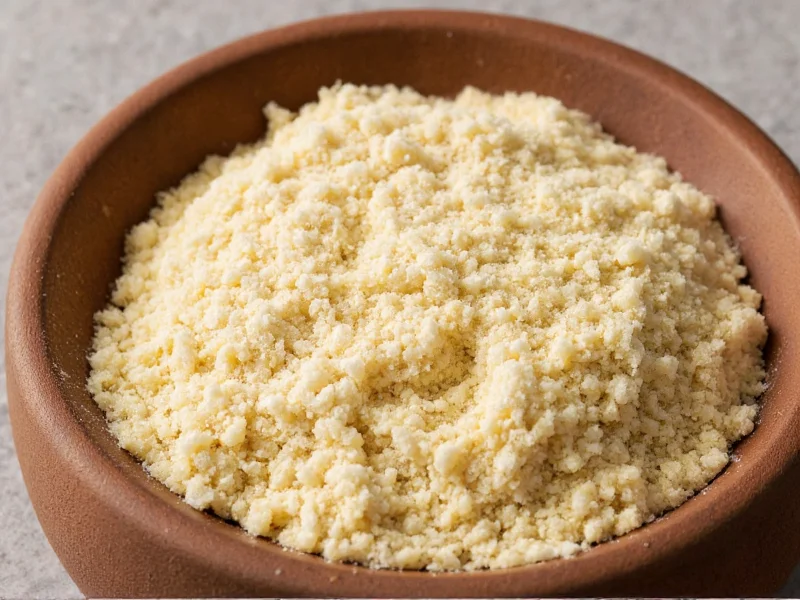
Freshly processed garlic powder exhibits a light tan to pale yellow color. Darker shades often indicate excessive heat during dehydration, which degrades flavor compounds. When opened, the powder should release a strong, clean garlic aroma without musty or bitter notes.
Particle Uniformity
Consistent particle size ensures even dissolution in liquids and uniform flavor distribution. Premium bulk products undergo multiple grinding and sifting stages to achieve uniform 80-200 mesh consistency. Inconsistent particle sizes lead to clumping and uneven flavor in final products.
Practical Applications and Usage Guidelines
Bulk powdered garlic serves diverse culinary purposes across professional and home settings:
Commercial Food Production
Manufacturers of sauces, dressings, and spice blends rely on bulk garlic powder for consistent flavor in high-volume production. The powder's solubility makes it ideal for liquid-based products where fresh garlic would create texture issues. Food technologists note that garlic powder provides more predictable flavor release in thermal processing than fresh garlic.
Restaurant Kitchen Applications
Chefs use bulk garlic powder to season rubs, marinades, and dry mixes where fresh garlic's moisture content would compromise texture. It proves particularly valuable in spice blends for consistent flavor across large batches. Many professional kitchens maintain both fresh garlic and bulk powder to address different culinary requirements.
Home Kitchen Benefits
Home cooks purchasing bulk garlic powder typically do so for meal prep, canning, or frequent cooking needs. The powder offers convenience for quick weeknight meals while providing more consistent flavor than variable fresh cloves. Serious home chefs often keep bulk powder for specific applications like dry rubs where fresh garlic would burn.
Storage Best Practices for Bulk Quantities
Proper storage determines how long your bulk garlic powder maintains optimal quality:
- Transfer from original packaging to airtight containers with oxygen absorbers
- Store in cool, dark locations (below 70°F/21°C ideal)
- Maintain relative humidity below 60% to prevent caking
- Use smaller decanting containers to minimize air exposure
- Never store above stoves or near heat sources
Commercial operations often use nitrogen-flushed packaging for extended shelf life. Home users can achieve similar results by dividing bulk quantities into 6-month supply portions stored with silica gel packets.
Conversion Guide: Powdered to Fresh Garlic
Understanding proper substitution ratios prevents flavor imbalances in recipes:
| Recipe Requirement | Bulk Powdered Garlic | Notes |
|---|---|---|
| 1 fresh garlic clove | 1/8 teaspoon powder | Standard substitution ratio |
| 3 fresh cloves | 3/8 teaspoon powder | For most savory dishes |
| 5 fresh cloves | 5/8 teaspoon powder | For robust garlic flavor |
| Garlic paste (1 tbsp) | 1 1/2 teaspoons powder + 1 tsp water | Mix to form paste substitute |
Remember that garlic powder delivers more concentrated flavor than fresh garlic, so start with less and adjust to taste. The powder's flavor develops more slowly during cooking, making it suitable for long-simmered dishes where fresh garlic might become bitter.
Common Questions About Bulk Powdered Garlic
How does the nutritional content of bulk powdered garlic compare to fresh garlic?
Bulk powdered garlic retains most nutrients found in fresh garlic, though some heat-sensitive compounds like allicin decrease during dehydration. Per 100g, powdered garlic contains higher concentrations of calories, carbohydrates, and certain minerals due to water removal, but lower vitamin C content. The powder provides consistent nutrient delivery per measurement compared to variable fresh cloves.
Can bulk powdered garlic cause allergic reactions in sensitive individuals?
Yes, powdered garlic can trigger reactions in people with garlic allergies, potentially more intensely than fresh garlic due to concentration. The drying process doesn't eliminate allergenic proteins. Those with known garlic sensitivity should exercise the same precautions with powdered forms as with fresh garlic, and check for potential cross-contamination in facilities that process other allergens.
What's the difference between bulk garlic powder and garlic salt?
Bulk garlic powder contains only dehydrated garlic, while garlic salt typically consists of 3 parts salt to 1 part garlic powder. When substituting, use three times more garlic powder to replace garlic salt, and reduce added salt in your recipe accordingly. For precise seasoning control in commercial applications, pure garlic powder offers more flexibility than pre-mixed garlic salt.
How can I tell if my bulk garlic powder has gone bad?
Signs of degraded bulk garlic powder include darkening color (from light tan to brown), loss of strong aroma, clumping that doesn't break apart easily, or development of musty or bitter odors. Properly stored powder shouldn't develop mold, but if it does, discard the entire container immediately. While not dangerous, stale garlic powder delivers weak flavor that can ruin recipes.
Is organic bulk powdered garlic significantly different from conventional?
Organic bulk powdered garlic comes from garlic grown without synthetic pesticides or fertilizers, verified by certification bodies. While the flavor profile remains similar, some chefs note subtle differences in complexity. The primary distinction lies in agricultural practices rather than sensory characteristics. For commercial users requiring organic certification in final products, organic bulk powder is essential, but for general use, the flavor difference may not justify premium pricing.




 浙公网安备
33010002000092号
浙公网安备
33010002000092号 浙B2-20120091-4