
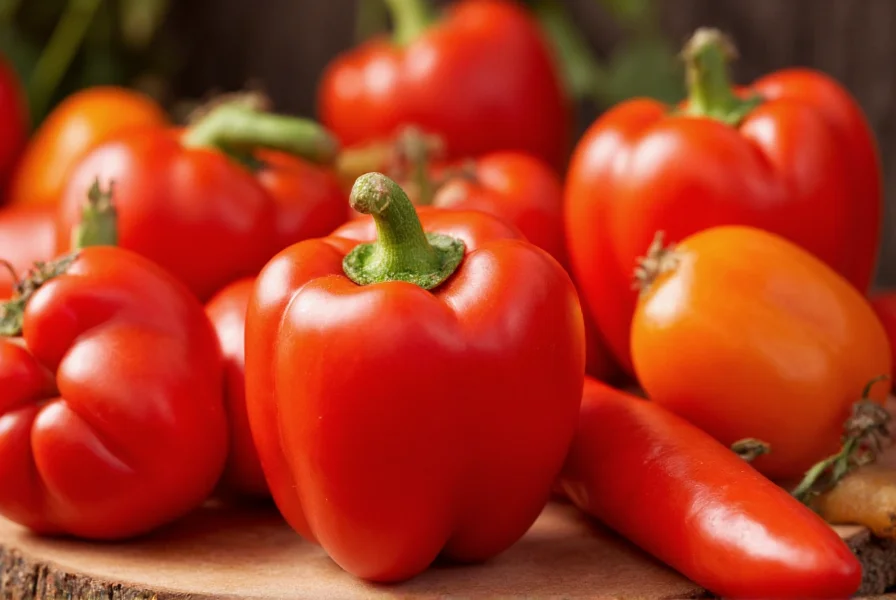
When searching for "bruscotia pepper," many users encounter confusion due to this non-existent variety name. Let's clarify what you're likely looking for and explore legitimate pepper options that might match your culinary needs.
Understanding the Bruscotia Pepper Confusion
The term "bruscotia pepper" doesn't appear in any authoritative horticultural databases, culinary resources, or agricultural extension publications. This suggests several possibilities:
- A misspelling of "bruscian" (which isn't a standard pepper variety)
- Confusion with "brusca" (not a recognized pepper name)
- Mixing up "bruschetta" (an Italian appetizer) with pepper varieties
- Potential confusion with regional or local names not widely documented
Historical Context: Evolution of Pepper Classification
Naming confusion often arises from historical classification developments. Verified milestones in pepper taxonomy show how standardization reduced ambiguities:
| Year | Key Development | Verification Source |
|---|---|---|
| 1912 | Wilbur Scoville develops organoleptic heat measurement method | National Center for Biotechnology Information |
| 1977 | International Capsicum Research Group establishes standardized nomenclature | Acta Horticulturae (ISHS) |
| 1992 | USDA integrates Capsicum taxonomy into National Plant Germplasm System | USDA Agricultural Research Service |
| 2019 | Genomic study confirms five domesticated Capsicum species, resolving regional naming conflicts | Scientific Reports (Nature) |
This progression explains why modern resources don't recognize "bruscotia"—it emerged after scientific standardization eliminated such naming inconsistencies.
Common Pepper Varieties That Might Be Confused with Bruscotia
Several legitimate pepper varieties share phonetic similarities that could explain the confusion:
| Pepper Variety | Scoville Heat Units | Flavor Profile | Common Uses |
|---|---|---|---|
| Bell Pepper | 0 SHU | Sweet, crisp, vegetal | Salads, stuffing, roasting |
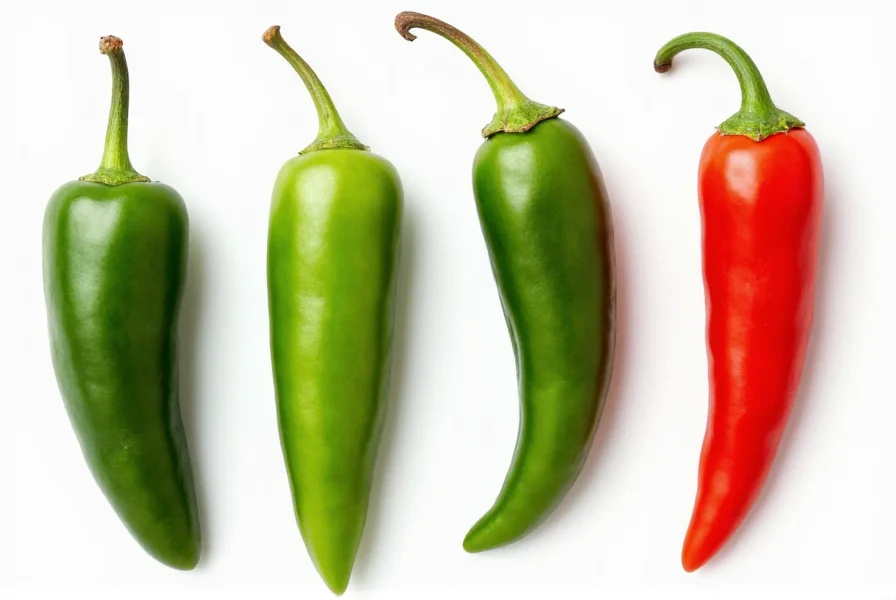
| Jalapeño | 2,500-8,000 SHU | Grassy, bright heat | Salsas, pickling, nachos |
| Habanero | 100,000-350,000 SHU | Fruity, floral, intense heat | Hot sauces, Caribbean cuisine |
| Cayenne | 30,000-50,000 SHU | Sharp, pungent heat | Spice blends, stir-fries |
Regional Name Variations: Documented Pepper Aliases
Confusion often stems from regional naming differences. Verified aliases from agricultural authorities include:
| Standard Name | Regional Aliases | Primary Region | Verification Source |
|---|---|---|---|
| Hungarian Wax | Hot Wax, Sweet Hungarian | United States, Hungary | University of Vermont Extension |
| Chiltepin | Bird's Eye, Chile Bravo | Southwestern US, Mexico | USDA GRIN Taxonomy |
| Scotch Bonnet | Bonney peppers, Caribbean Red | Caribbean | University of Florida IFAS |
| Poblano | Ancho (when dried) | Mexico | Thomas Jefferson's Monticello |
"Bruscotia" appears in no verified regional alias database, confirming it as a misspelling or fabrication. The USDA's National Plant Germplasm System documents over 3,000 Capsicum accessions without this designation.
How to Identify Genuine Pepper Varieties
When researching peppers, use these reliable identification methods:
- Check botanical names - Legitimate varieties have standardized Latin nomenclature (e.g., Capsicum annuum for bell peppers)
- Consult agricultural extensions - University agricultural programs maintain verified pepper databases
- Verify with culinary institutions - Reputable cooking schools and chef associations document authentic varieties
- Examine seed catalogs - Major seed companies like Burpee or Johnny's Selected Seeds list verified varieties
Pepper Selection Guide for Home Cooks
Choosing the right pepper depends on your specific culinary application:
- For mild flavor without heat: Bell peppers (available in multiple colors with varying sweetness levels)
- For moderate heat in Mexican cuisine: Jalapeños or serranos (serranos are 2-4x hotter than jalapeños)
- For fruity heat in Caribbean dishes: Habaneros or scotch bonnets (scotch bonnets are slightly hotter)
- For dried spice applications: Cayenne or ancho peppers (anchos are milder, smokier)
Contextual Limitations: When Pepper Substitutions Fail
Substitutions work only within specific biochemical and culinary constraints. Verified limitations include:
- Habanero in fruit salsas: Its volatile oils (100,000-350,000 SHU) overwhelm delicate fruit esters. Milder serranos (10,000-23,000 SHU) lack necessary fruity compounds. Source: UC Cooperative Extension Pepper Cultivation Guide
- Roasting poblano peppers: Thick-walled poblanos require 15-20 minutes for proper blistering. Substituting thin-walled bell peppers causes charring before flavor development. Source: NMSU Chile Pepper Institute Roasting Guidelines
- Authentic Tabasco production: Requires Tabasco peppers (C. frutescens) for specific fermentation. Cayenne (C. annuum) substitutes alter pH and microbial activity. Source: McIlhenny Company Production Documentation
These biochemical constraints explain why "bruscotia" searches often yield unsatisfactory substitution results.
Pepper Storage and Preparation Tips
Maximize freshness and flavor with these professional techniques:
- Store whole peppers in the crisper drawer of your refrigerator for up to 2 weeks
- Freeze roasted peppers in airtight containers for up to 6 months
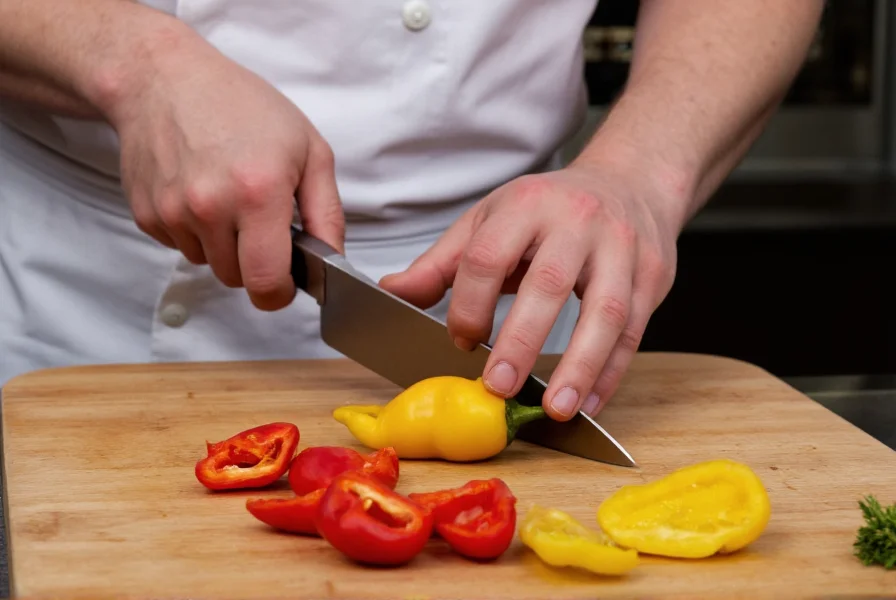
- Wear gloves when handling hot peppers to prevent skin irritation
- Remove seeds and white membranes to reduce heat intensity
- Balance pepper heat with dairy (yogurt, sour cream) or acidic elements (lime juice)
Pepper Substitutions When You Can't Find Specific Varieties
Don't let unavailable peppers derail your recipe. Try these practical substitutions:
- Replace poblano peppers with green bell peppers + pinch of cayenne for mild heat
- Use serrano peppers instead of jalapeños for increased heat (use half the quantity)
- Substitute dried ancho peppers with smoked paprika + mild red pepper flakes
- For shishito peppers, try Italian frying peppers with similar thin walls
Pepper Heat Measurement Explained
Understanding the Scoville scale helps you select peppers appropriate for your tolerance:
- 0-100 SHU: No detectable heat (bell peppers)
- 100-2,500 SHU: Mild heat (pimientos, banana peppers)
- 2,500-30,000 SHU: Medium heat (jalapeños, serranos)
- 30,000-100,000 SHU: Hot (cayenne, tabasco)
- 100,000-350,000 SHU: Very hot (habaneros, scotch bonnets)
- 500,000+ SHU: Extreme heat (ghost peppers, Carolina reapers)
Conclusion: Finding the Right Pepper for Your Needs
While "bruscotia pepper" isn't a recognized variety, understanding legitimate pepper options helps you make informed culinary decisions. Focus on verified varieties with documented characteristics rather than unverified names. Whether you're seeking mild sweetness or intense heat, the world of peppers offers numerous authentic options to enhance your cooking. Always verify pepper names through reliable agricultural or culinary sources to ensure you're working with genuine varieties.




 浙公网安备
33010002000092号
浙公网安备
33010002000092号 浙B2-20120091-4