
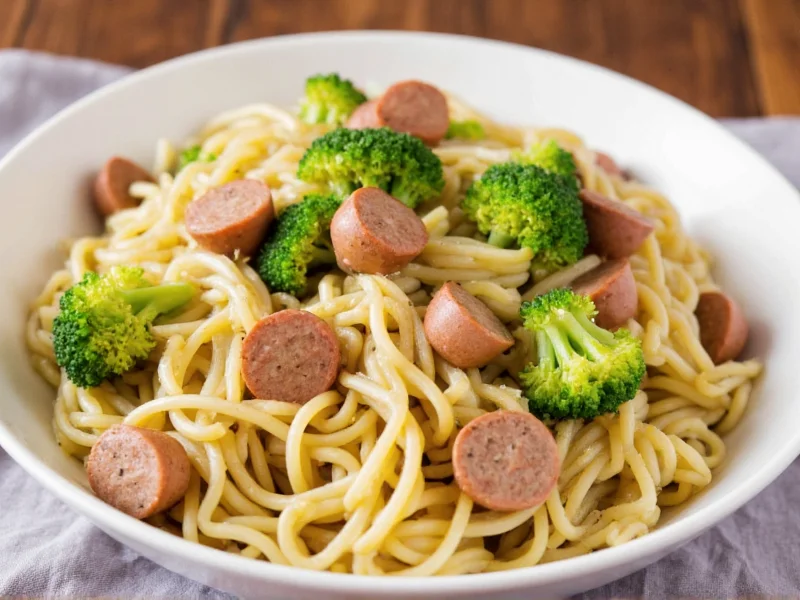
Creating the perfect broccoli sausage pasta requires understanding ingredient synergy and proper cooking techniques. This versatile dish has become a staple in modern home cooking for its simplicity, nutritional balance, and adaptability to various dietary preferences. When prepared correctly, it offers a complete meal with protein, vegetables, and carbohydrates in harmonious proportions.
The Essential Broccoli Sausage Pasta Recipe
Follow this straightforward method for restaurant-quality results at home. The key to success lies in proper ingredient preparation and timing to ensure each component reaches its ideal texture.
| Ingredient | Quantity | Preparation Notes |
|---|---|---|
| Dry pasta (penne or rigatoni) | 12 oz (340g) | Cook until just shy of al dente |
| Italian sausage (mild or hot) | 1 lb (450g) | Casings removed for crumbled texture |
| Fresh broccoli florets | 3 cups | Cut to uniform 1.5-inch pieces |
| Garlic | 3 cloves | Minced finely |
| Extra virgin olive oil | 2 tbsp | Plus additional for finishing |
| Parmesan cheese | 1/2 cup, grated | Freshly grated for best texture |
Step-by-Step Preparation Guide
Mastering broccoli sausage pasta requires attention to cooking sequence and timing. The following method ensures perfect texture for each component:
- Prepare components simultaneously: Bring a large pot of salted water to boil for pasta while heating olive oil in a large skillet over medium heat.
- Cook sausage properly: Add sausage to the skillet, breaking into small crumbles. Cook until browned but not dry (about 6-8 minutes). Remove sausage, leaving drippings in the pan.
- Blanch broccoli: When pasta water boils, add broccoli florets for exactly 90 seconds, then remove with a slotted spoon. Immediately plunge into ice water to stop cooking. This preserves vibrant color and crisp-tender texture.
- Cook pasta: Add pasta to the same boiling water after removing broccoli. Cook until just shy of al dente (about 2 minutes less than package instructions).
- Build flavor foundation: In the sausage skillet, add minced garlic and sauté for 30 seconds until fragrant but not browned. Return sausage to the pan.
- Combine elements: When pasta has 2 minutes remaining, transfer it directly from the pot to the skillet using tongs, along with 1/2 cup pasta water. Add broccoli and toss everything together over medium heat for 2 minutes, allowing pasta to finish cooking and absorb flavors.
- Finish with cheese: Remove from heat, stir in grated Parmesan, and adjust seasoning with salt and freshly ground black pepper to taste.
Ingredient Selection Insights
Choosing quality ingredients significantly impacts your broccoli sausage pasta results. Understanding what makes each component work well together elevates this simple dish to restaurant quality.
Best Sausage Choices
Italian sausage provides the ideal flavor profile for this dish, but not all varieties work equally well. Sweet Italian sausage offers balanced seasoning with fennel and garlic, while hot varieties add welcome heat. For optimal broccoli sausage pasta texture, select sausages with 20-30% fat content—too lean becomes dry during cooking, while excessive fat creates greasiness. High-quality artisanal sausages typically contain recognizable ingredients without fillers, enhancing the overall flavor profile of your easy broccoli sausage pasta recipe.
Pasta Shape Considerations
The right pasta shape captures both sausage crumbles and broccoli florets effectively. Tubular shapes like penne, rigatoni, or mostaccioli work best as their hollow centers trap sauce and small ingredients. For a healthier alternative, consider whole wheat or legume-based pastas, though these require careful timing to avoid becoming mushy. When cooking pasta for broccoli sausage pasta dishes, remember that it continues cooking when combined with the hot skillet—undercooking slightly in the boiling water prevents overcooking in the final dish.
Proven Cooking Techniques
Achieving perfect broccoli sausage pasta requires specific techniques that home cooks often overlook. These professional methods ensure optimal texture and flavor integration:
Broccoli Preparation Mastery
The biggest mistake in making broccoli sausage pasta is overcooking the broccoli. Blanching for precisely 90 seconds preserves crunch while removing raw bitterness. For deeper flavor, try roasting broccoli at 425°F (220°C) for 15-20 minutes until edges caramelize slightly—this method works particularly well for hearty broccoli sausage pasta meals. When using frozen broccoli as a practical solution for busy evenings, thaw completely and pat dry to prevent excess moisture from diluting your sauce.
Sauce Integration Methods
Professional kitchens use pasta water strategically to create emulsified sauces that cling perfectly to every strand. When combining elements in the final stage, the starch-rich pasta water helps the fat from the sausage and cheese create a light coating rather than a greasy separation. For creamy variations of your balanced broccoli sausage pasta meal, add 1/4 cup heavy cream or full-fat coconut milk during the final tossing stage—never add dairy directly to high heat, which causes curdling.
Adaptations for Dietary Preferences
This versatile dish accommodates various dietary needs without sacrificing flavor. Thoughtful substitutions maintain the integrity of the original broccoli sausage pasta concept while addressing specific requirements.
Vegetarian and Vegan Options
For meatless versions of this popular broccoli sausage pasta recipe, substitute plant-based sausage alternatives with substantial texture. Look for options containing vital wheat gluten or mushrooms for satisfying chewiness. Enhance umami depth with 1 tablespoon soy sauce or tamari added during cooking. Vegan versions work beautifully with nutritional yeast instead of Parmesan, providing similar savory notes without dairy.
Gluten-Free Adaptation
When preparing gluten-free broccoli sausage pasta, choose rice or corn-based pastas known for holding shape well (like Barilla Gluten Free or Jovial). Cook according to package directions but test frequently, as gluten-free pastas often go from underdone to overcooked rapidly. Add an extra 1/4 cup pasta water during the final tossing stage, as gluten-free varieties absorb more liquid. For optimal texture, undercook gluten-free pasta by 1-2 minutes compared to wheat pasta.
Nutritional Profile and Dietary Context
Broccoli sausage pasta provides a nutritionally balanced meal, but its suitability varies by dietary needs. The following analysis demonstrates both its advantages and limitations based on USDA nutritional data:
| Nutrient | Broccoli Sausage Pasta (per serving) | Traditional Spaghetti with Meat Sauce (per serving) |
|---|---|---|
| Calories | 690 kcal | 200 kcal |
| Protein | 26 g | 8 g |
| Dietary Fiber | 4 g | 2 g |
Source: Nutritional values calculated using USDA FoodData Central data for pasta, Italian sausage, broccoli, and compared to spaghetti with meat sauce. Values represent one serving (1/4 of recipe) based on standard preparation methods.
This nutritional advantage aligns with the USDA Dietary Guidelines for Americans recommendation for meals containing 25-30g protein and 14g fiber per 1,000 calories to support satiety and metabolic health.
Contextual Limitations and Considerations
Despite its nutritional strengths, broccoli sausage pasta requires modification in specific dietary contexts:
- Low-FODMAP diets: The traditional recipe contains high-FODMAP ingredients (garlic, onion, and wheat pasta) that may trigger symptoms in individuals with IBS. Monash University's clinical research recommends using garlic-infused oil instead of fresh garlic and substituting gluten-free pasta for those following a strict elimination phase of the low-FODMAP diet (Monash FODMAP App).
- Low-carbohydrate diets: With approximately 64g of carbohydrates per serving (primarily from pasta), this dish exceeds typical limits for ketogenic diets (20-50g daily). The American Diabetes Association suggests replacing pasta with vegetable alternatives like zucchini noodles to reduce carbohydrate content while maintaining meal satisfaction (ADA Cooking Tips).
Serving and Storage Recommendations
Maximize your broccoli sausage pasta experience with these professional serving techniques and storage guidelines.
Serve immediately in warmed bowls for the best temperature retention. Finish each portion with a drizzle of high-quality extra virgin olive oil and freshly cracked black pepper—these final touches elevate simple broccoli sausage pasta dishes to restaurant quality. For elegant presentation, arrange broccoli florets visibly on top rather than hiding them within the pasta.
Store leftovers in an airtight container in the refrigerator for up to 3 days. When reheating, add a splash of water or broth to restore moisture, as pasta continues absorbing liquid during storage. Avoid microwaving on high power; instead, use medium heat with frequent stirring for even reheating of your balanced broccoli sausage pasta meal.
Frequently Asked Questions
Can I use frozen broccoli in broccoli sausage pasta?
Yes, frozen broccoli works well in broccoli sausage pasta recipes when properly prepared. Thaw completely and pat dry with paper towels to remove excess moisture. For best results, spread thawed broccoli on a paper towel-lined baking sheet and refrigerate for 15 minutes to absorb additional moisture before cooking. This prevents watery sauce in your weeknight meal planning.
What's the best way to prevent mushy broccoli in pasta dishes?
The key to crisp-tender broccoli in broccoli sausage pasta is precise blanching. Cook florets in boiling salted water for exactly 90 seconds, then immediately transfer to ice water. This stops the cooking process while preserving vibrant color and texture. For deeper flavor, roast broccoli at 425°F (220°C) for 15-20 minutes before adding to your balanced broccoli sausage pasta meal.
How can I make broccoli sausage pasta creamy without heavy cream?
Create a naturally creamy sauce for your easy broccoli sausage pasta recipe by emulsifying pasta water with the sausage fat and cheese. Reserve 1 cup of starchy pasta water before draining. During the final tossing stage, add small amounts of this water while vigorously stirring—the starch helps create a light, silky coating. For extra richness without dairy, blend 1/4 cup soaked cashews with 1/2 cup pasta water and add during finishing.
What wine pairs well with broccoli sausage pasta?
Medium-bodied white wines complement broccoli sausage pasta beautifully. An Italian Vermentino offers citrus notes that cut through the sausage richness while complementing broccoli's earthiness. For red wine lovers, a lighter Sangiovese provides enough acidity to balance the dish without overwhelming the delicate broccoli flavors in your weeknight dinner ideas.
Can I prepare broccoli sausage pasta ahead of time?
Yes, but with specific preparation methods for best results. Cook components separately: sausage, blanched broccoli, and pasta (stop 2 minutes before al dente). Store each in separate airtight containers. When ready to serve, finish cooking pasta in boiling water for 2 minutes, then combine all elements in the hot skillet with 1/2 cup pasta water. This approach maintains optimal texture in your balanced broccoli sausage pasta meal when serving later.




 浙公网安备
33010002000092号
浙公网安备
33010002000092号 浙B2-20120091-4