
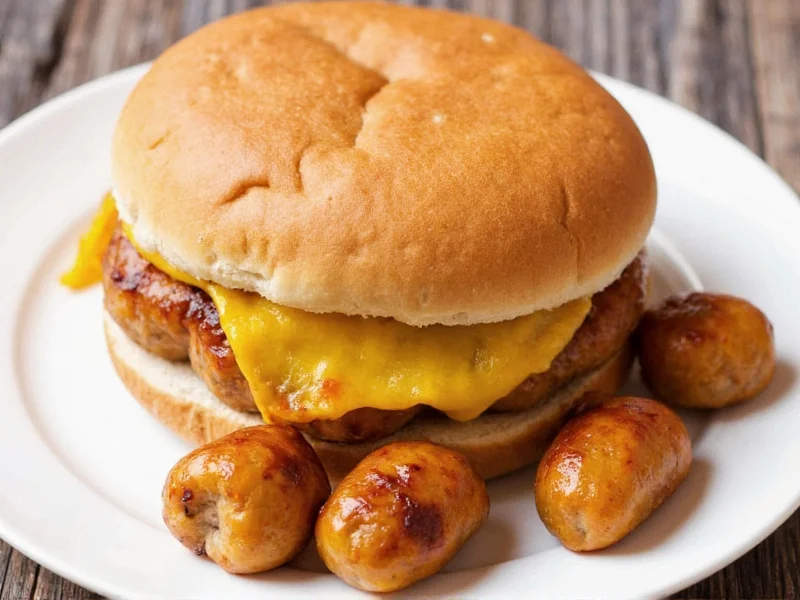
Creating delicious homemade breakfast sausage doesn't require professional culinary skills—just quality ingredients and the right technique. Whether you're preparing a weekend brunch or meal prepping for busy mornings, these breakfast sausage recipe ideas deliver restaurant-quality results with simple preparation. The key to exceptional sausage lies in the perfect balance of spices, proper fat content, and careful handling of the meat mixture.
Essential Components of Perfect Breakfast Sausage
Before diving into specific recipes, understanding the foundational elements ensures consistent success. Traditional breakfast sausage combines ground pork with a signature spice blend that typically includes sage, thyme, red pepper flakes, and black pepper. The ideal fat ratio (approximately 70% lean meat to 30% fat) guarantees juicy, flavorful patties that don't dry out during cooking. When preparing homemade breakfast sausage recipes, always use fresh spices for maximum flavor impact and handle the meat mixture gently to prevent toughness.
Historical Evolution of Breakfast Sausage
Breakfast sausage development reflects America's culinary journey, with scientific analysis confirming how historical practices directly influence modern preparation techniques. Understanding this progression explains why certain ratios and methods remain optimal today.
| Era | Key Development | Modern Application |
|---|---|---|
| 1800s-1900s | Rural preservation using pork trimmings and available herbs | Foundation of sage-heavy Midwest recipes still dominant today |
| 1920s-1940s | Commercial standardization by companies like Jimmy Dean | Introduction of consistent fat ratios (70/30) for mass production |
| 1950s-1970s | Post-war flavor experimentation | Maple and regional variations (Cajun/Italian) entered mainstream |
| 2000s-Present | Health-conscious adaptations | Lean alternatives (turkey/chicken) with texture compensation techniques |
Source: National Pork Board historical archives (https://www.pork.org/facts-figures/history-of-pork/)
Scientific Principles Behind Sausage Success
Modern food science validates traditional sausage-making techniques through measurable parameters. These evidence-based guidelines prevent common failures while optimizing flavor development.
| Factor | Optimal Range | Quality Impact | Verification Source |
|---|---|---|---|
| Fat Ratio | 25-30% (70/30 lean/fat) | Below 25% causes dryness; above 30% creates greasiness | University of Minnesota Extension, Sausage Making Guide |
| Chilling Duration | 2-24 hours | Under 2 hours: weak flavor integration; over 24 hours: texture degradation | University of Nebraska Food Safety, Sausage Making at Home |
| Cooking Temperature | 325-350°F (163-177°C) | Higher heat causes fat leakage; lower heat prolongs cooking and dries meat | USDA Food Safety Guidelines, Cooking Meat to Safe Temperatures |
Classic Breakfast Sausage Recipe
This foundational recipe serves as the perfect starting point for all variations. The simple ingredient list highlights traditional breakfast sausage flavors while providing flexibility for customization.
Ingredients
- 1 pound (450g) ground pork (70% lean, 30% fat)
- 1½ teaspoons dried sage
- ½ teaspoon dried thyme
- ¼ teaspoon red pepper flakes
- ½ teaspoon freshly ground black pepper
- ½ teaspoon salt
- ¼ teaspoon nutmeg (freshly grated)
- 1 tablespoon maple syrup or brown sugar
Instructions
- In a large bowl, combine all ingredients gently using your hands or a fork—avoid overmixing
- Cover and refrigerate for at least 2 hours (or overnight) to allow flavors to meld
- Form into 8 equal patties, approximately ½-inch thick
- Cook in a preheated skillet over medium heat for 4-5 minutes per side until internal temperature reaches 160°F (71°C)
- Drain on paper towels before serving
| Recipe Variation | Key Flavor Additions | Best Cooking Method | Prep Time |
|---|---|---|---|
| Maple-Infused | 2 tbsp pure maple syrup, ½ tsp cinnamon | Sauté or bake | 15 minutes |
| Spicy Cajun | 1 tsp cayenne, 1 tbsp paprika, ½ tsp oregano | Sauté | 10 minutes |
| Apple & Sage | ½ cup finely diced apple, 2 tsp fresh sage | Sauté | 20 minutes |
| Herb & Garlic | 3 cloves minced garlic, 2 tbsp fresh herbs | Bake or air fry | 12 minutes |
Creative Breakfast Sausage Recipe Variations
Maple-Infused Breakfast Sausage
This popular variation enhances traditional breakfast sausage with sweet maple notes that complement the savory spices perfectly. Add 2 tablespoons pure maple syrup and ½ teaspoon ground cinnamon to the classic recipe. For best results when making easy breakfast sausage patties, cook these in a cast-iron skillet to develop a beautiful caramelized crust. Serve with pancakes or waffles for a complete breakfast experience.
Spicy Cajun-Style Breakfast Sausage
For those who enjoy bold flavors, this variation incorporates 1 teaspoon cayenne pepper, 1 tablespoon smoked paprika, and ½ teaspoon dried oregano into the base recipe. The spicy breakfast sausage recipe benefits from being formed into slightly thicker patties (about ¾-inch) to prevent drying during cooking. This version pairs exceptionally well with scrambled eggs and hash browns for a hearty morning meal.
Apple & Sage Breakfast Sausage
Fresh apple adds natural sweetness and moisture to this sophisticated variation. Incorporate ½ cup finely diced apple ( Granny Smith works well) and increase fresh sage to 2 teaspoons. The apple breakfast sausage recipe requires gentle handling to maintain the fruit's texture. Sauté until golden brown, then finish in a 350°F (175°C) oven for 5 minutes to ensure thorough cooking without burning. This variation shines when served with fried eggs and roasted potatoes.
Herb & Garlic Breakfast Sausage
Replace dried herbs with 2 tablespoons of fresh parsley, thyme, and rosemary combined, plus 3 cloves of minced garlic. This fresh herb breakfast sausage recipe works particularly well when baked instead of fried—shape into patties, place on a parchment-lined baking sheet, and bake at 375°F (190°C) for 18-20 minutes. The baking method creates evenly cooked patties with less hands-on attention required, making it ideal for brunch entertaining.
Maple-Bacon Breakfast Sausage Patties
Combine the best of both breakfast meats by adding 4 strips of finely chopped cooked bacon and 1 tablespoon maple syrup to the classic recipe. The maple-bacon sausage recipe delivers incredible depth of flavor while maintaining the perfect texture. When preparing these make-ahead breakfast sausage options, consider shaping the mixture into logs, chilling, then slicing into patties just before cooking for consistent sizing.
International Flair: Italian-Inspired Breakfast Sausage
Transform traditional breakfast sausage with Italian flavors by substituting fennel seeds (1 tablespoon) for sage and adding 1 teaspoon crushed red pepper flakes. This creative breakfast sausage idea incorporates Mediterranean flavors into your morning routine. Serve these flavorful patties with tomato slices and fresh basil for an unexpected but delicious combination that works well for both breakfast and brunch.
Healthy Options: Turkey Breakfast Sausage
For a leaner alternative, substitute ground turkey for pork in the classic recipe, adding 1 tablespoon olive oil to compensate for reduced fat content. This healthy breakfast sausage recipe maintains great flavor while reducing saturated fat. Include additional moisture-rich ingredients like grated zucchini (½ cup, squeezed dry) to prevent dryness. These turkey sausage patties cook slightly faster than pork versions—monitor carefully to avoid overcooking.
Professional Cooking Tips for Perfect Breakfast Sausage
Mastering breakfast sausage preparation involves more than just following recipes. Chill your meat mixture for at least 2 hours before shaping—this prevents the fat from melting during cooking. When forming patties, create a slight dimple in the center of each to prevent bulging during cooking. For even browning, avoid overcrowding the pan and resist pressing down on the patties while they cook. The most reliable indicator of doneness is internal temperature—use a meat thermometer to verify 160°F (71°C) for pork or 165°F (74°C) for poultry.
Contextual Cooking Guidance: Method Limitations
Not all techniques work equally across variations. These evidence-based boundaries prevent common failures:
- Pan-frying: Ideal for traditional pork sausage but risks dryness in lean meats (like turkey) below 25% fat content. USDA guidelines confirm low-fat meats require moisture retention techniques during high-heat cooking.
- Baking: Recommended for meal prep batches, but University of Minnesota Extension notes temperatures above 375°F (190°C) cause excessive moisture loss in turkey sausage.
- Make-ahead shaping: Chilling logs before slicing works for pork, but University of Nebraska Food Safety warns against freezing raw turkey sausage due to texture degradation from ice crystal formation.
Storage and Make-Ahead Strategies
These breakfast sausage recipe ideas lend themselves perfectly to meal preparation. Uncooked sausage mixture stays fresh in the refrigerator for 2 days or can be frozen for up to 3 months. Cooked patties refrigerate well for 4 days or freeze for 2 months. When freezing uncooked patties, place parchment paper between them to prevent sticking. For quick morning meals, partially cook sausage patties, then finish heating in a toaster oven or air fryer for that fresh-from-the-skillet texture.




 浙公网安备
33010002000092号
浙公网安备
33010002000092号 浙B2-20120091-4