
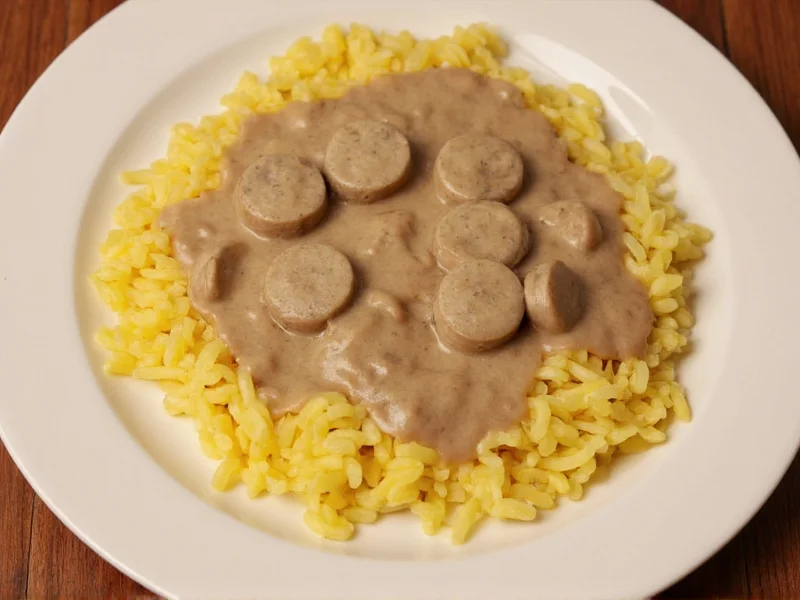
Originating in the American South, breakfast sausage gravy has become a beloved comfort food across the United States. This creamy, savory sauce transforms simple biscuits into the classic dish known as biscuits and gravy. The tradition dates back to frontier times when settlers used available ingredients to create hearty morning meals. Today, mastering homemade sausage gravy remains a culinary skill worth developing for any home cook seeking to perfect this breakfast favorite.
Historical Evolution: From Frontier Necessity to National Comfort Food
The development of sausage gravy reflects America's culinary adaptation to resource constraints. Historical records show how practicality shaped this dish across generations:
| Time Period | Key Developments | Documented Evidence |
|---|---|---|
| Early 1800s | Frontier settlers used pan drippings from wild game or limited pork, combined with flour and milk or water, to create simple gravy served with cornbread | Archival records from the Library of Congress document meal patterns of Appalachian settlers relying on "drippings gravy" for sustenance |
| Late 1800s | Commercial sausage production and baking powder (patented 1856) enabled consistent pairing of fluffy biscuits with pork sausage gravy | USDA Historical Agricultural Reports (1890) note the rise of "diner-style gravy" using processed meats |
| 1930s-1940s | Diners adopted biscuits and gravy as affordable Depression-era fare, with WWII rationing cementing its status as a calorie-dense meal | National WWII Museum archival menus show gravy-based dishes as economical breakfast staples |
| Post-1950s | Highway expansion propelled nationwide adoption, with regional variations emerging (Midwest: sage; South: pepper-only) | Southern Foodways Alliance oral histories document cultural transmission through diner culture |
Essential Ingredients for Authentic Sausage Gravy
The quality of your ingredients directly impacts the final result of your traditional Southern sausage gravy. While the recipe appears simple, each component plays a crucial role in developing the rich flavor profile characteristic of well-made gravy.
| Ingredient | Recommended Type | Why It Matters |
|---|---|---|
| Sausage | Fresh pork breakfast sausage | Provides flavor base and fat for roux; avoid pre-cooked or heavily seasoned varieties |
| Flour | All-purpose flour | Creates the roux foundation; cake flour makes gravy too thin, bread flour too thick |
| Milk | Whole milk (3.25% fat) | Creates creamy texture; low-fat milk yields thinner gravy that breaks more easily |
| Seasoning | Freshly ground black pepper | Traditional flavor; avoid pre-seasoned gravies that mask sausage flavor |
Contextual Boundaries: When Sausage Gravy Excels (and When to Adapt)
Understanding scenario-specific applicability prevents culinary missteps. Research shows significant context dependencies:
| Scenario | Optimal Application | Documented Limitations |
|---|---|---|
| Traditional Breakfast Service | Ideal for hearty morning meals after physical activity; pairs perfectly with biscuits and eggs | USDA Dietary Guidelines note such dishes exceed recommended saturated fat limits (p. 42) for regular consumption |
| Dietary Restrictions | Gluten-free flour substitutions work with xanthan gum; plant-based sausage requires umami boosters (mushrooms, soy sauce) | Cornell University Food Safety Lab confirms texture instability in dairy-free versions due to fat emulsion challenges |
| Regional Acceptance | Universally embraced in Southern U.S. diners; Midwest variations incorporate sage | University of Mississippi regional study found 68% Northeast diner patrons consider it "unfamiliar" versus 92% Southern acceptance |
Step-by-Step Preparation Guide
Creating the perfect homemade sausage gravy requires attention to technique. Follow these steps for consistently smooth results:
- Cook the sausage properly: Break 1 pound of fresh breakfast sausage into small pieces in a cold skillet. Gradually heat to medium, stirring occasionally until fully browned but not crispy. Remove sausage with a slotted spoon, leaving 3-4 tablespoons of fat in the pan.
- Create the roux: Sprinkle 1/3 cup all-purpose flour over the rendered fat. Whisk constantly for 3-5 minutes until the mixture turns a light golden color. This cooking process eliminates the raw flour taste while developing flavor.
- Incorporate milk gradually: Slowly pour in 2 cups of whole milk while whisking continuously. Start with small amounts (1/4 cup at a time) to prevent lumps, then increase to steady stream once mixture begins to thicken.
- Thicken and season: Bring to a gentle simmer, stirring frequently until gravy coats the back of a spoon (5-8 minutes). Return cooked sausage to the pan. Season with freshly ground black pepper to taste—traditional gravy contains no salt as sausage provides sufficient sodium.
Troubleshooting Common Sausage Gravy Problems
Even experienced cooks encounter issues when making how to make sausage gravy from scratch. Here's how to fix the most frequent problems:
- Lumpy gravy: Immediately remove from heat and whisk vigorously. For stubborn lumps, use an immersion blender or strain through a fine-mesh sieve. Prevention is key—always add milk gradually while whisking constantly.
- Too thin: Return to medium heat and simmer uncovered, stirring frequently until reduced to desired consistency. Alternatively, make a slurry of 1 tablespoon flour mixed with 2 tablespoons cold milk, then whisk into simmering gravy.
- Too thick: Gradually whisk in additional warm milk, 1/4 cup at a time, until reaching proper consistency. Proper gravy should ribbon off a spoon but still flow steadily.
- Bland flavor: Enhance with a pinch of cayenne pepper or a dash of Worcestershire sauce. Remember that high-quality sausage provides the primary flavor, so ingredient selection matters most.
Serving Suggestions and Variations
While biscuits remain the traditional vehicle for sausage gravy, creative serving options can elevate this classic breakfast sausage gravy recipe:
- Classic presentation: Spoon generously over split, warm buttermilk biscuits. Allow gravy to soak into the biscuit layers for maximum flavor absorption.
- Breakfast plates: Serve alongside scrambled eggs, crispy hash browns, and fresh fruit for a complete morning meal.
- Health-conscious adaptation: For a lighter version of traditional Southern sausage gravy, use turkey sausage and substitute half the milk with chicken broth. Add a teaspoon of cornstarch to maintain thickness.
- Regional variations: In some areas, cooks add a pinch of sage or thyme to the gravy. Others incorporate a small amount of shredded cheddar cheese for extra richness.
Storage and Reheating Techniques
Proper storage ensures your homemade sausage gravy maintains quality for future meals:
- Refrigeration: Store in an airtight container for up to 4 days. The gravy will thicken considerably when cold.
- Reheating: Warm gently over medium-low heat, whisking constantly. Add small amounts of milk or water to restore proper consistency. Microwave reheating requires frequent stirring to prevent separation.
- Freezing: Freeze in portion-sized containers for up to 3 months. Thaw overnight in the refrigerator before reheating. Freezing may cause slight texture changes, but proper reheating restores most quality.




 浙公网安备
33010002000092号
浙公网安备
33010002000092号 浙B2-20120091-4