
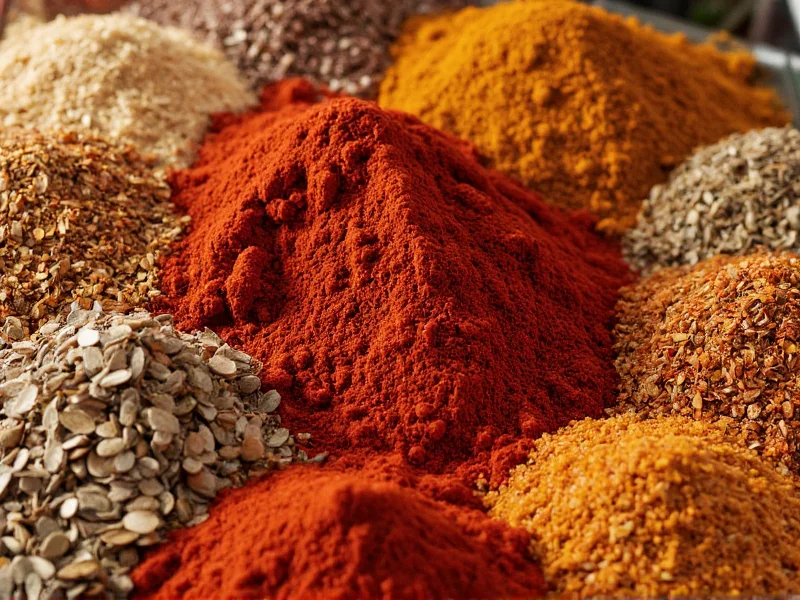
Brazil's vast territory and cultural diversity have produced a unique spice palette that varies significantly by region. Unlike many global cuisines that rely on imported spices, Brazilian cooking primarily utilizes native ingredients adapted through centuries of cultural exchange. The country's spice profile differs markedly from Portuguese cuisine despite colonial connections, with stronger Indigenous and African influences shaping its distinctive flavor combinations.
Core Brazilian Spices and Their Cultural Significance
Dendê oil, extracted from African palm fruit, represents one of the most culturally significant Brazilian spices, particularly in Bahia where it's essential for moqueca and acarajé. This vibrant red oil carries deep Afro-Brazilian cultural importance, having been brought by enslaved Africans and preserved through generations. Its rich, slightly sweet flavor and distinctive color cannot be substituted without altering the dish's fundamental character.
Historical Evolution of Dendê Oil in Brazilian Cuisine
- 1550s-1850s: Introduced via transatlantic slave trade, dendê became central to Afro-Brazilian religious ceremonies and Bahian cuisine (Smithsonian National Museum of African American History and Culture).
- Early 1900s: Northeastern commercial plantations established, formalizing dendê's role in regional food systems (Brazilian Ministry of Agriculture).
- 1988-Present: Recognized as cultural heritage through Brazil's Food Law (Law No. 11,346), protecting traditional preparation methods.
Pimenta malagueta, Brazil's preferred chili pepper, offers a bright, citrusy heat that differs from cayenne or habanero. Growing wild throughout tropical regions of Brazil, this pepper appears in everything from simple table condiments to complex stews. Traditional Brazilian spice blends often feature malagueta combined with garlic, vinegar, and herbs to create versatile hot sauces known as "molho de pimenta."
Cumari do Pará, or Brazilian star anise, provides a distinctive licorice-like flavor to Amazonian cuisine. This native fruit grows wild in northern Brazil and features prominently in regional dishes, particularly fish preparations. Unlike Chinese star anise, cumari has a more complex flavor profile with citrus notes that complement the region's freshwater fish.
| Region | Signature Spices | Characteristic Dishes |
|---|---|---|
| Northeast (Bahia) | Dendê oil, malagueta pepper, coentro | Moqueca, acarajé, vatapá |
| North (Amazon) | Cumari do Pará, jambu, tucupi | Pato no tucupi, tacacá |
| South | Paprika, chimichurri herbs, chimarrão | Churrasco, barreado |
| Central-West | Cilantro, garlic, piranha pepper | Pirão, arroz com pequi |
Traditional Brazilian Spice Blends and Preparation Methods
Authentic Brazilian spices often combine in specific preparations that define regional cooking techniques. The "tempero verde" (green seasoning) blend of coentro, cebolinha, garlic, and malagueta forms the flavor base for countless Brazilian dishes. Chefs typically prepare this fresh blend by finely chopping ingredients and cooking them in oil to release essential oils before adding other components.
Açafrão, known internationally as annatto or urucum, serves dual purposes in Brazilian cooking as both a spice and natural coloring agent. Indigenous communities traditionally used this seed for body paint before incorporating it into cuisine. In northern Brazil, cooks prepare "colorau" by infusing açafrão in oil, creating a vibrant orange base for stews and rice dishes. This traditional Brazilian spice preparation technique extracts maximum flavor while providing the distinctive color associated with many regional dishes.
Understanding how to use dendê oil properly represents a crucial skill for authentic Brazilian cooking. Unlike olive oil, dendê requires careful temperature control as overheating produces bitterness. Traditional Brazilian spice knowledge dictates adding dendê near the end of cooking to preserve its delicate flavor profile. Many home cooks in Bahia maintain a dedicated dendê bottle for daily use, as refrigeration causes the oil to solidify.
Practical Guidance for Using Brazilian Spices
Finding genuine Brazilian spices outside Brazil presents challenges, particularly for regional specialties like cumari do Pará. When seeking authentic Brazilian spices, look for Latin American markets specializing in Brazilian products rather than general international stores. Online retailers focusing on Brazilian imports often provide higher quality products with proper storage conditions.
Substitutions often fail to capture authentic Brazilian cuisine spice profiles. For dendê oil, no perfect substitute exists—palm oil lacks the distinctive flavor, while tomato paste only mimics the color. In emergencies, a combination of paprika and a touch of smoked salt might approximate some characteristics, but the result remains distinctly different from genuine Brazilian preparations.
Storage methods significantly impact the longevity of Brazilian spices. Whole malagueta peppers maintain freshness longer than ground versions. Cumari seeds retain potency for months when stored in airtight containers away from light. Dendê oil requires refrigeration after opening and develops optimal flavor when brought to room temperature before use.
Contextual Application Boundaries: Dendê oil's culinary application is strictly region-locked to Northeastern Brazil due to historical supply chains and cultural adoption patterns. Attempts to use it in Southern churrasco or Amazonian fish dishes create historically inaccurate fusions, as documented in Brazil's National Institute of Historic and Artistic Heritage (IPHAN) regional cuisine archives. Similarly, cumari do Pará fails to replicate Chinese star anise in non-native dishes due to its citrus-forward profile incompatible with Asian spice matrices.
Common Misconceptions About Brazilian Spices
Many assume Brazilian cuisine heavily features black pepper, but traditional Brazilian spice usage actually emphasizes malagueta peppers and regional chilies instead. Another misconception suggests Brazilian food is uniformly spicy, when in reality heat levels vary dramatically by region—with Bahia embracing bold flavors while southern states prefer milder profiles.
International audiences often confuse Brazilian and Portuguese spice traditions. While both cuisines use paprika, Brazilian preparations incorporate distinctive native ingredients like dendê and cumari that create entirely different flavor profiles. Understanding these differences proves essential when exploring authentic Brazilian spices versus Portuguese-influenced interpretations.




 浙公网安备
33010002000092号
浙公网安备
33010002000092号 浙B2-20120091-4