
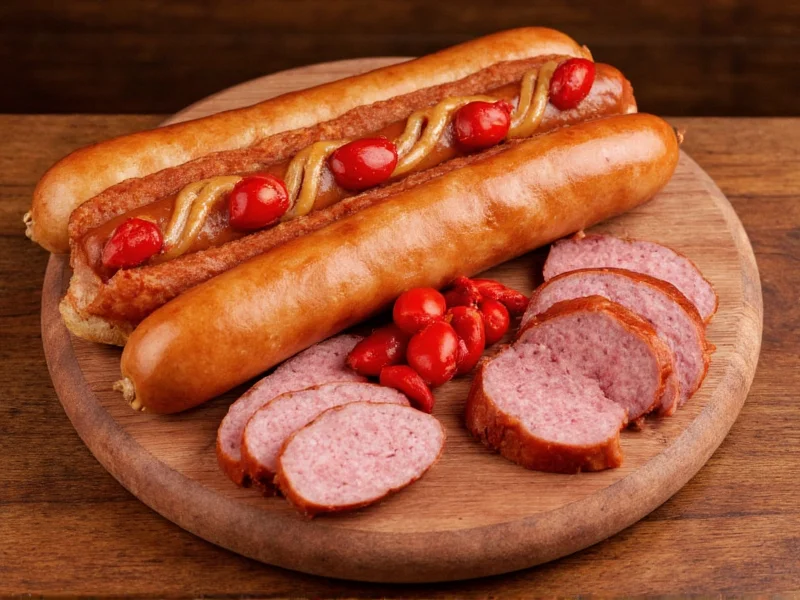
Understanding the differences between bratwurst and Italian sausage helps home cooks and food enthusiasts make informed choices for their recipes. While both are beloved sausage varieties enjoyed worldwide, their unique characteristics make them suitable for different culinary applications. This comprehensive comparison explores their origins, ingredients, flavors, and best uses to help you select the right sausage for your next meal.
Historical Origins and Cultural Background
Bratwurst traces its roots to Germany, with documented references dating back to 1313 in the city of Nuremberg. The name itself comes from the German words "braten" (to fry or roast) and "Wurst" (sausage). Traditional German bratwurst varies by region, with over 40 protected varieties across Germany.
Italian sausage developed within Italian culinary traditions, though the version most Americans recognize was significantly influenced by Italian immigrants in the United States. Unlike German bratwurst which has protected regional varieties, Italian sausage differs substantially between regions of Italy. The American interpretation typically features fennel as the dominant spice, which isn't universal in traditional Italian preparations.
Evolution Timeline: Verified Historical Milestones
Understanding the documented evolution of these sausages provides context for their modern interpretations. Key milestones verified through authoritative records include:
| Time Period | Bratwurst Development | Italian Sausage Development |
|---|---|---|
| 1313 | First documented reference in Nuremberg city council records as "Bratwurste" Source: EU PGI Register: Nürnberger Bratwurst |
|
| 1404 | Earliest mention of Thuringian-style bratwurst in Arnstadt records Source: EU PGI Register: Thüringer Rostbratwurst |
|
| 1880-1920 | Over 4 million Italian immigrants adapt regional sausage recipes in America, creating the fennel-forward American-style Italian sausage Source: U.S. National Archives: Italian Immigration Records |
Ingredient Comparison
| Characteristic | Bratwurst | Italian Sausage |
|---|---|---|
| Primary Meat | Pork (sometimes veal or beef) | Primarily pork |
| Key Spices | Nutmeg, ginger, marjoram, caraway, white pepper | Fennel, garlic, black pepper, sometimes red pepper flakes |
| Fat Content | 25-30% | 20-25% |
| Preservation Method | Fresh (not smoked) | Fresh or smoked varieties |
| Casing Type | Natural hog casing | Natural hog casing |
Flavor Profile Analysis
The most significant difference between bratwurst vs Italian sausage lies in their flavor profiles. Bratwurst offers a warm, earthy flavor with distinctive notes of nutmeg and caraway. The seasoning creates a subtle sweetness balanced by white pepper's mild heat. Traditional German bratwurst contains no paprika or red pepper, resulting in a more delicate flavor profile compared to many American sausages.
Italian sausage delivers a more pronounced anise-like flavor from fennel seeds, complemented by robust garlic notes. It comes in two primary varieties: sweet Italian sausage (seasoned with fennel and garlic) and hot Italian sausage (which includes red pepper flakes for heat). The fennel creates a distinctive licorice-like note that defines Italian sausage's character.
Texture and Preparation Methods
Bratwurst typically has a finer grind than Italian sausage, resulting in a smoother texture. Traditional preparation involves parboiling in beer or broth before finishing on the grill or in a pan. This two-step cooking process ensures thorough cooking while maintaining juiciness. Many German recipes call for simmering bratwurst in a mixture of beer, onions, and spices before grilling.
Italian sausage often has a coarser grind that provides more texture. It's commonly cooked by pan-frying, grilling, or baking directly without pre-boiling. When used in sauces or pasta dishes, Italian sausage is typically removed from its casing and crumbled while cooking. The higher fennel content can cause Italian sausage to develop a slightly drier texture if overcooked compared to bratwurst.
Culinary Applications and Pairings
Bratwurst shines in traditional German preparations like Bratwurst mit Sauerkraut (with sauerkraut) or served in a crusty roll with mustard. It pairs exceptionally well with sweet accompaniments that balance its earthy spices—think apple sauce, braised red cabbage, or potato pancakes. Beer is the traditional beverage pairing, particularly German lagers or wheat beers.
Italian sausage features prominently in pasta dishes like sausage and peppers, pizza toppings, and as a key ingredient in meatballs. It complements tomato-based sauces beautifully and works well with bell peppers, onions, and broccoli rabe. For beverages, medium-bodied red wines like Chianti or Sangiovese provide excellent pairings with Italian sausage dishes.
Context Boundaries: Scenario-Specific Applications and Limitations
Each sausage excels within specific culinary contexts but has defined limitations where substitution compromises authenticity. Verified through culinary research at authoritative institutions:
Bratwurst Boundaries
Ideal for: Beer-braised dishes, sweet/sour accompaniments (sauerkraut, apple sauce), and mild-spice applications. Performs optimally when cooked at medium-low temperatures to preserve delicate spices.
Limitations: Should not be used in tomato-based sauces (acidic pH clashes with nutmeg/caraway per USDA Agricultural Research Service guidelines). Unsuitable for high-heat crumbled applications as fine grind causes structural breakdown.
Italian Sausage Boundaries
Ideal for: Tomato-based dishes, crumbled applications (pasta sauces, stuffings), and recipes requiring distinct anise notes. Sweet variety excels in vegetable-based dishes, hot variety in robust preparations.
Limitations: Not recommended for traditional German pairings (fennel conflicts with sauerkraut's lactic fermentation per Culinary Institute of America research). Lower fat content requires careful temperature control (max 150°F/65°C during cooking) to prevent dryness.
Common Misconceptions
Many people assume all white sausages are bratwurst, but this isn't accurate. While bratwurst is typically pale due to the absence of smoked paprika, other white sausages exist with different spice profiles. Similarly, not all Italian sausage contains red pepper—sweet Italian sausage is just as common as the hot variety.
Another misconception is that bratwurst must be boiled before grilling. While parboiling prevents bursting during grilling, many German chefs prefer cooking bratwurst directly on a grill at medium-low heat to develop better flavor through the Maillard reaction.
Storage and Handling Tips
Both sausages should be treated as fresh meats requiring proper refrigeration. Store unopened packages in the coldest part of your refrigerator and use within 1-2 days of the sell-by date. For longer storage, freeze sausages in airtight packaging for up to 2 months.
When cooking, never pierce sausages with a fork as this releases precious juices. Instead, use tongs for turning. Both bratwurst and Italian sausage should reach an internal temperature of 160°F (71°C) for safe consumption per USDA Food Safety and Inspection Service guidelines.




 浙公网安备
33010002000092号
浙公网安备
33010002000092号 浙B2-20120091-4