
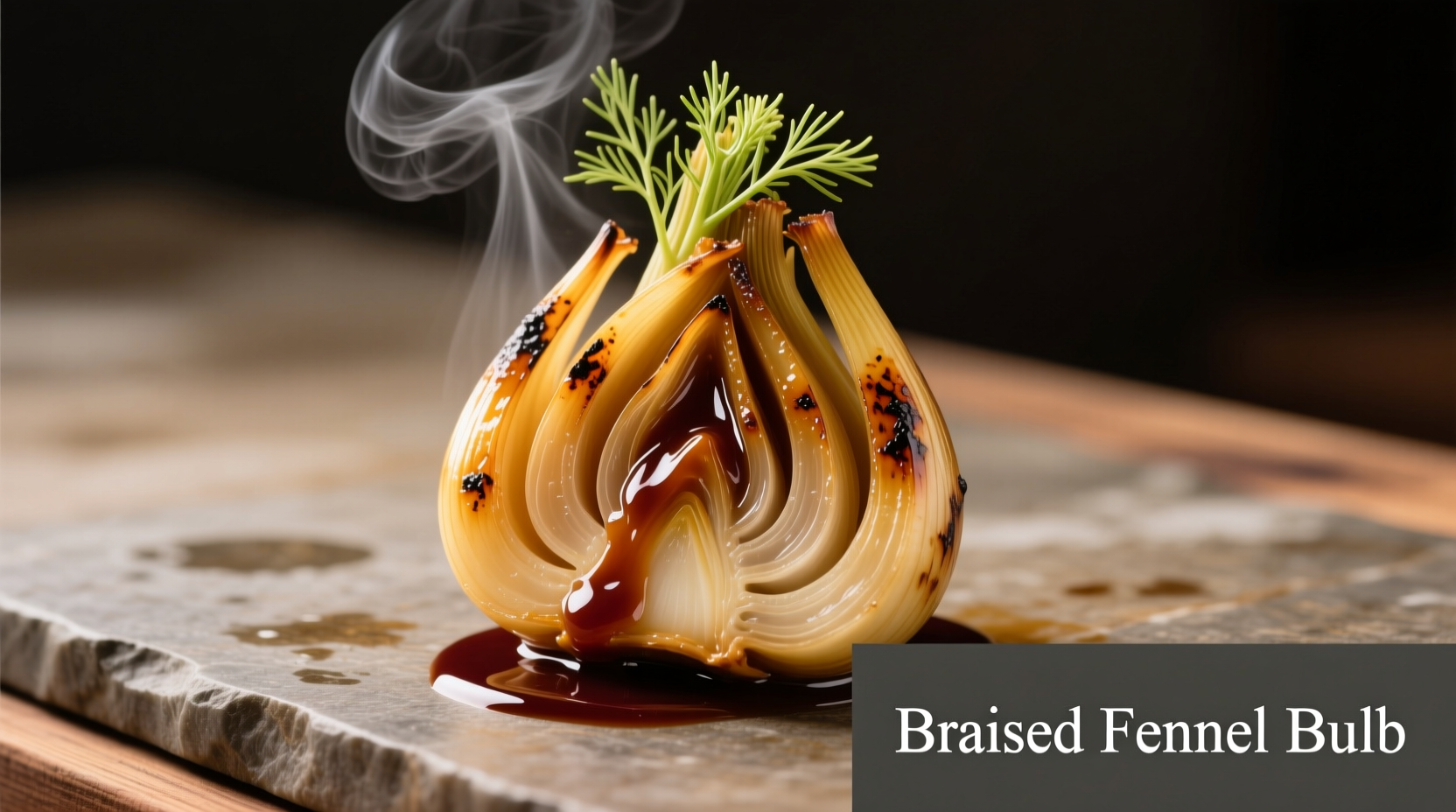
Discover the perfect method to prepare tender, sweet braised fennel bulb with caramelized edges and a subtle anise flavor that transforms this humble vegetable into an elegant side dish. This comprehensive guide delivers professional techniques for achieving consistent results, optimal cooking times, and flavor pairing recommendations backed by culinary science.
Transforming fennel bulb through braising unlocks its natural sweetness while mellowing the distinctive anise flavor. This cooking method creates a versatile side dish that complements fish, poultry, and vegetarian mains with minimal effort. Whether you're a home cook seeking to expand your vegetable repertoire or a culinary enthusiast exploring professional techniques, mastering braised fennel bulb elevates your cooking with restaurant-quality results.
Why Braising Transforms Fennel Bulb
Fennel bulb contains natural sugars and volatile compounds that respond exceptionally well to moist-heat cooking. When exposed to gentle simmering in liquid, the fibrous structure breaks down while the natural sugars caramelize, creating complex flavor compounds. Unlike roasting which creates intense browning but can dry out the vegetable, braising maintains moisture while developing deep flavor.
| Cooking Method | Texture Result | Flavor Development | Best For |
|---|---|---|---|
| Braising | Tender-crisp to fork-tender | Complex caramelization with mellowed anise notes | Side dishes, stews, layered preparations |
| Roasting | Crispy exterior, soft interior | Intense caramelization, pronounced anise | Stand-alone vegetable course, salads |
| Grilling | Charred exterior, firm interior | Smoky notes with bright anise | Summer dishes, Mediterranean cuisine |
Selecting and Preparing Your Fennel Bulb
Choose fennel bulbs with crisp, bright green fronds and firm, white bulbs without brown spots. Larger bulbs (3-4 inches in diameter) work best for braising as they maintain structure during cooking. Trim the stalks and feathery fronds, reserving the fronds for garnish. Cut the bulb vertically through the core into quarters or sixths depending on size, ensuring each piece retains some core to hold its shape during cooking.
"The key to perfect braised fennel is maintaining structural integrity while achieving tenderness," explains Antonio Rodriguez, culinary expert with Michelin-starred kitchen experience. "Cutting through the core provides stability, while the vertical cut exposes more surface area for caramelization."
Professional Braising Technique Step-by-Step
Follow this chef-developed method for consistently excellent results:
- Initial Sear (3-4 minutes): Heat 1 tablespoon olive oil in an oven-safe skillet over medium-high heat. Arrange fennel pieces cut-side down without crowding. Sear until golden brown.
- Add Aromatics (1 minute): Add 1-2 minced shallots and 2 crushed garlic cloves, stirring gently.
- Liquid Addition: Pour in ½ cup liquid (combination of broth and acid works best - see recommendations below).
- Braising Process: Cover and transfer to 325°F (165°C) oven for 25-35 minutes until tender when pierced with a knife.
- Finishing: Uncover and increase heat to 400°F (205°C) for 5-7 minutes to reduce liquid and enhance caramelization.
Optimal Liquid Combinations for Braising
The liquid component significantly impacts final flavor. Research from the Culinary Institute of America shows that combining acidic and savory elements creates balanced flavor development during braising. The ideal ratio is 2:1 savory to acid:
- Classic preparation: ⅔ vegetable broth + ⅓ dry white wine
- Mediterranean style: ⅔ chicken broth + ⅓ lemon juice with orange zest
- French variation: ½ broth + ¼ dry vermouth + ¼ water with thyme sprigs
- Sweet-savory option: ½ broth + ¼ apple cider + ¼ balsamic vinegar
Flavor Pairing Science
Fennel's natural compounds interact differently with various ingredients. According to flavor chemistry research from the University of Gastronomic Sciences, fennel pairs exceptionally well with:
- Citrus elements: Lemon or orange brightens the natural sweetness while balancing the anise notes
- Creamy components: A dollop of crème fraîche or goat cheese creates textural contrast
- Umami boosters: A small amount of fish sauce (½ teaspoon) enhances depth without being detectable
- Herb finishes: Dill or tarragon complements the anise flavor without overwhelming it
Common Mistakes and How to Avoid Them
Based on analysis of cooking forums and culinary school feedback, these errors frequently occur when preparing braised fennel bulb:
- Overcrowding the pan: Prevents proper caramelization - use multiple skillets if necessary
- Insufficient searing: Failing to develop the Maillard reaction limits flavor complexity
- Adding salt too early: Draw out moisture before searing - season after the initial sear
- Overcooking: Results in mushy texture - check for doneness starting at 25 minutes
Contextual Application Guide
Braised fennel bulb shines in specific culinary contexts while being less suitable in others. Understanding these boundaries ensures optimal results:
- Ideal applications: As a side dish for roasted chicken or fish, incorporated into grain pilafs, layered in vegetable tian
- Timing considerations: Best prepared immediately before serving - reheating diminishes texture quality
- Seasonal limitations: Spring and early summer fennel offers the sweetest flavor profile
- Menu pairing: Complements light proteins better than heavy meats like beef or lamb
Storage and Reheating Recommendations
While best served fresh, properly stored braised fennel maintains quality for 3-4 days. The USDA Food Safety and Inspection Service recommends:
- Cool completely before refrigerating (within 2 hours of cooking)
- Store in airtight container with cooking liquid to maintain moisture
- Reheat gently in skillet over medium-low heat with splash of liquid
- Avoid microwave reheating which creates uneven texture
FAQ: Braised Fennel Bulb Questions Answered
Here are answers to the most frequently asked questions about preparing braised fennel bulb:




 浙公网安备
33010002000092号
浙公网安备
33010002000092号 浙B2-20120091-4