
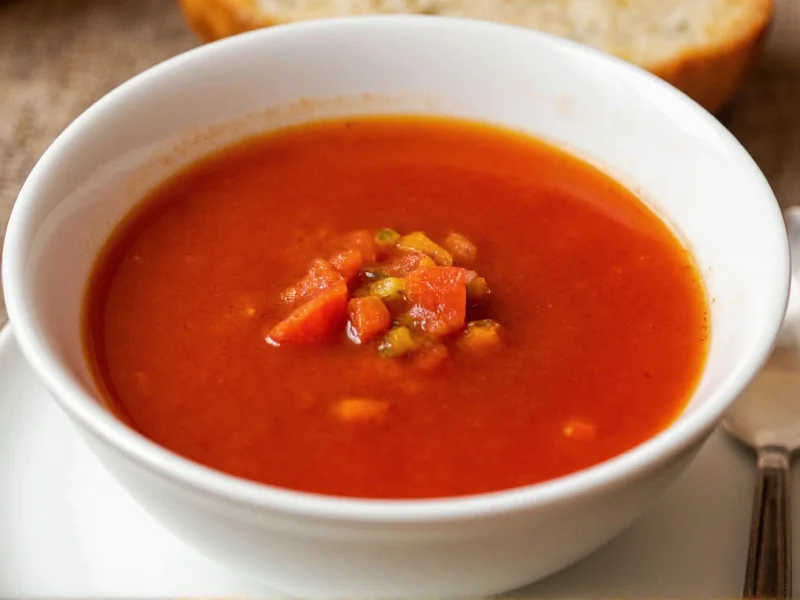
For centuries, borscht has been the soul food of Eastern Europe, warming kitchens from Moscow to Kyiv with its vibrant color and complex flavor profile. This traditional Russian beet soup recipe delivers the authentic taste that has made borscht a culinary icon across Slavic cultures. While regional variations exist, the version presented here represents the classic Russian preparation that balances earthy sweetness with subtle tanginess.
The Cultural Significance of Russian Borscht
Borscht isn't merely a soup—it's a cultural institution with deep historical roots. Originating in Ukraine but embraced throughout the Russian Empire, this beet-based soup appears in Russian literature, folklore, and family traditions. The word "borscht" actually derives from the Slavic term for cow parsnip, an early ingredient later replaced by beets. When Jewish communities migrated westward, they carried borscht recipes with them, adapting the dish to local ingredients while preserving its essential character.
The Evolution of Borscht: Historical Timeline
Culinary anthropology research reveals borscht's transformation from regional staple to global icon. Key milestones documented by cultural institutions show how political and agricultural shifts shaped the dish:
- 9th-10th Century: Earliest forms emerge in Kyivan Rus' using common hogweed ("borshch") as primary souring agent. This vitamin-rich peasant soup sustained communities through harsh winters. Source: Ukrainian Institute
- 16th Century: Beets introduced from Mediterranean regions gradually replace hogweed, providing superior color stability and sweetness. Beet cultivation expands across Slavic territories under Polish-Lithuanian Commonwealth. Source: Smithsonian Magazine
- 1869: Tolstoy's War and Peace features borscht as symbolic of Russian domestic life, cementing its cultural status during Imperial Russia's peak. Source: Encyclopedia Britannica
- 1920s: Soviet standardization efforts simplify recipes, but regional variations persist in household kitchens. Jewish diaspora communities adapt techniques using available ingredients in New York and Buenos Aires. Source: Smithsonian Magazine
- 2021: UNESCO inscribes "Borscht cooking and culture in central Ukraine" on Intangible Cultural Heritage list, recognizing its role in community identity. Source: UNESCO Intangible Cultural Heritage
Essential Ingredients for Authentic Borscht
The magic of traditional Russian beet soup lies in ingredient quality and proper preparation techniques. Unlike simplified versions, authentic borscht requires careful attention to these components:
| Ingredient | Quantity | Preparation Notes |
|---|---|---|
| Beets | 3 medium (about 1.5 lbs) | Roasted or boiled to intensify sweetness |
| Beef chuck | 1.5 lbs | For rich broth (optional for vegetarian version) |
| Cabbage | ¼ head | Finely shredded for proper texture |
| Carrots | 2 medium | Shredded for sweetness and color |
| Onion | 1 large | Finely diced for flavor base |
| Vinegar or lemon juice | 2 tbsp | Essential for preserving color and balancing flavor |
Step-by-Step Traditional Borscht Recipe
Creating authentic Russian borscht requires patience but yields extraordinary results. This classic Russian beet soup recipe serves 6-8 and takes approximately 3 hours (mostly hands-off cooking time).
Broth Preparation
- Place beef chuck in a large stockpot with 8 cups of cold water. Bring to a gentle simmer over medium heat, skimming impurities that rise to the surface.
- Add 1 peeled onion studded with 3 whole cloves, 2 peeled carrots, and 1 celery stalk. Simmer uncovered for 2 hours.
- Strain the broth, discarding solids. Return clear broth to clean pot. (For vegetarian version, substitute with mushroom or vegetable broth.)
Vegetable Preparation
- Roast 3 beets wrapped in foil at 400°F (200°C) for 1 hour until tender. Cool, peel, and julienne.
- Shred ¼ head of cabbage and set aside.
- Sauté 1 diced onion and 2 shredded carrots in 2 tbsp butter until golden (10-12 minutes).
Final Assembly
- Bring broth to a gentle simmer. Add shredded cabbage and cook for 10 minutes.
- Add roasted beets, sautéed vegetables, 2 diced potatoes, 1 diced tomato, and 2 tbsp vinegar.
- Simmer gently for 20 minutes (do not boil vigorously).
- Season with salt, freshly ground black pepper, and 1 tsp sugar to balance flavors.
- Remove from heat and stir in 2 tbsp fresh dill. Let rest 30 minutes before serving.
Russian vs. Ukrainian Borscht: Contextual Boundaries
While often conflated, these national variations operate within distinct culinary frameworks. Academic research identifies specific boundaries where substitutions alter cultural authenticity:
| Context Factor | Russian Preparation | Ukrainian Preparation | Verification Source |
|---|---|---|---|
| Broth Foundation | Beef chuck required for authentic flavor; bone broth considered Ukrainian adaptation | Bone broth standard; meat optional in many regional versions | Smithsonian Magazine |
| Acidulant Timing | Vinegar added during cooking (critical for color preservation) | Beet kvass preferred; vinegar often added tableside per diner preference | Ukrainian Institute |
| Bean Inclusion | Beans invalidate authenticity in traditional Russian preparations | White beans or peas common in central/western Ukrainian variations | UNESCO Documentation |
| Serving Protocol | Sour cream added tableside; never pre-mixed to maintain color integrity | Often served with pampushky (garlic rolls); sour cream optional | Ukrainian Institute |
These contextual boundaries explain why substitutions—like adding beans in Russian borscht—fundamentally alter the dish's cultural identity. Culinary historians note these distinctions emerged from historical agricultural practices: Russia's emphasis on beef reflects imperial-era cattle farming, while Ukraine's bean usage stems from fertile "black earth" crop diversity.
Perfecting Your Borscht: Pro Tips
Achieving restaurant-quality traditional Russian borscht at home requires attention to these critical details:
- Beet preparation matters: Roasting beets intensifies their natural sweetness better than boiling. Never skip the vinegar step—it preserves the vibrant color and balances earthiness.
- Temperature control: Keep the soup below boiling point during final cooking to maintain the beautiful red hue (high heat turns borscht brown).
- Flavor development: Authentic borscht tastes better the next day as flavors meld. Prepare it one day ahead for optimal results.
- Serving tradition: Always add sour cream just before eating—mixing it in advance dulls the vibrant color.
Variations and Modern Adaptations
While this classic Russian beet soup recipe represents the traditional preparation, several popular variations exist:
- Vegetarian borscht: Omit meat and use mushroom broth. Add 1 cup cooked white beans for protein.
- Summer borscht: A cold version made with kvass (fermented rye bread beverage) instead of hot broth.
- Ukrainian-style: Features more garlic and often includes beans or peas.
- Quick version: For time-pressed cooks, use pre-cooked beets and quality beef broth, but expect less depth of flavor.
Serving Suggestions and Storage
Authentic Russian borscht achieves its full potential when served traditionally:
- Always accompany with generous dollops of high-fat sour cream and fresh dill
- Serve with dark rye bread or pampushky (garlic rolls)
- Store in airtight containers for up to 5 days—flavors improve with time
- Freeze portions for up to 3 months (thaw overnight in refrigerator)
- Reheat gently without boiling to preserve color and texture
Why This Recipe Stands Out
Many simplified borscht recipes sacrifice authenticity for convenience, but this traditional Russian beet soup recipe honors the dish's heritage while remaining accessible for home cooks. The careful layering of flavors—from roasting the beets to building the broth from scratch—creates a depth impossible to achieve with canned ingredients. When prepared properly, authentic borscht delivers a complex harmony of earthy, sweet, and tangy notes that has sustained its popularity for generations across Eastern Europe.




 浙公网安备
33010002000092号
浙公网安备
33010002000092号 浙B2-20120091-4