
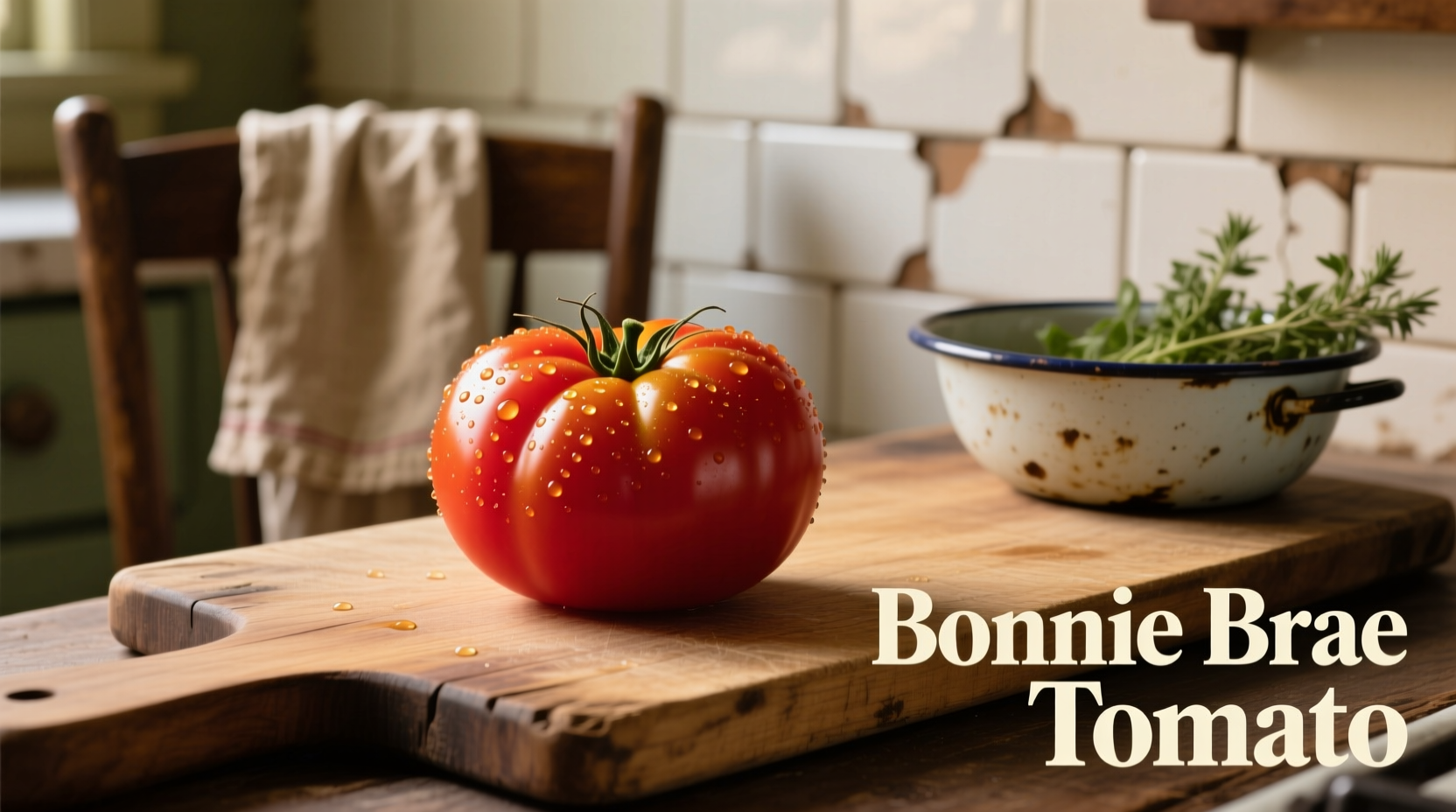
Why Gardeners and Chefs Treasure This Unique Heirloom
When you bite into a perfectly ripe Bonnie Brae tomato, you're experiencing a piece of agricultural history that nearly disappeared from cultivation. Unlike common grocery store tomatoes, Bonnie Braes deliver a complex flavor balance with sugar levels reaching 6-8 Brix—significantly higher than standard varieties—while maintaining that refreshing acidity that makes tomatoes so versatile in culinary applications.
Your First Encounter with Bonnie Brae Tomatoes
Imagine finding an unusual oval tomato at your local farmers' market with smooth, pale yellow skin that transitions to golden yellow when fully ripe. This isn't just another yellow tomato variety—this is the distinctive Bonnie Brae, weighing typically between 6-10 ounces with a firm yet juicy texture that holds up beautifully in salads without disintegrating.
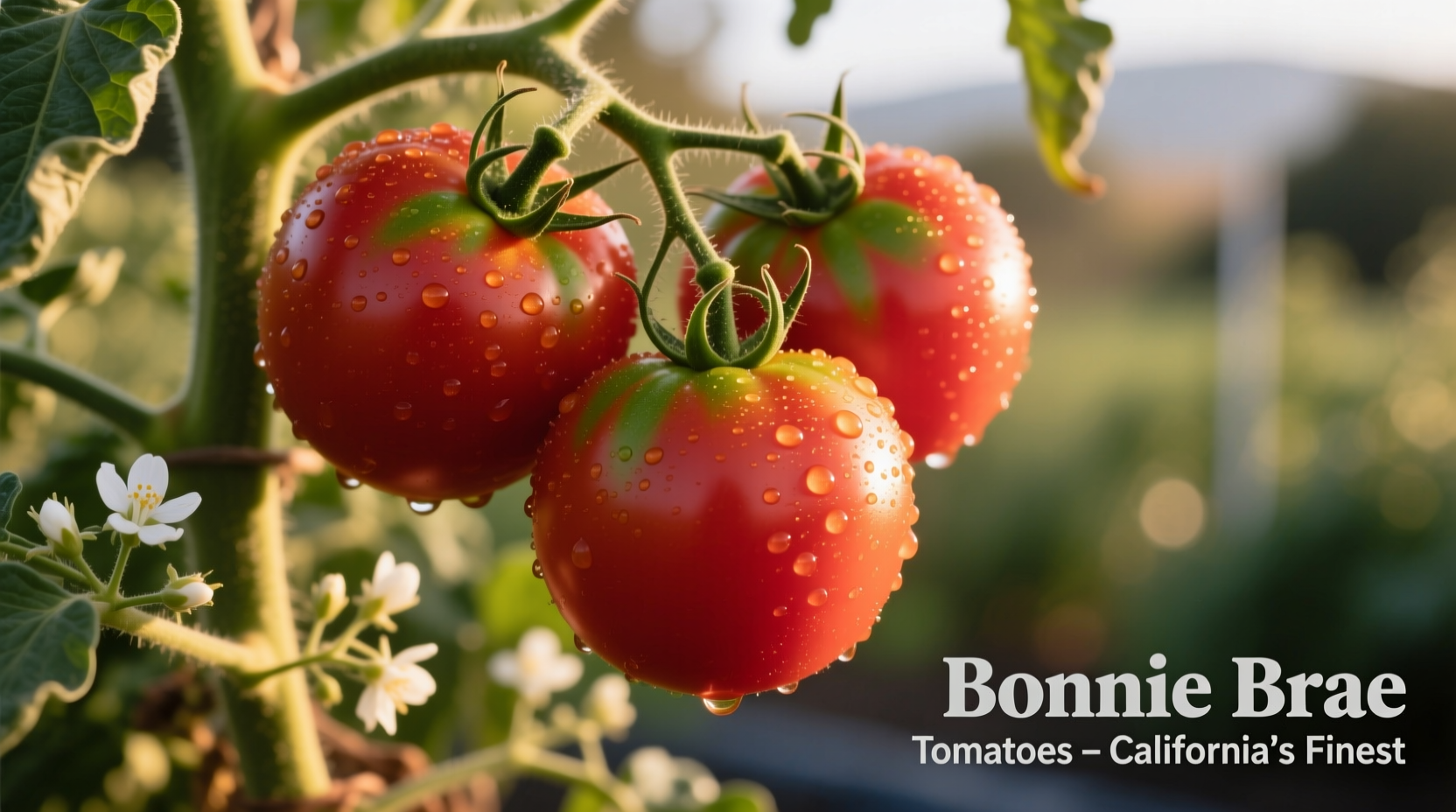
What Makes Bonnie Brae Tomatoes Stand Out
While most tomatoes develop ridges and multiple lobes as they grow, Bonnie Braes maintain a smooth, elongated oval shape throughout their development. This unique physical characteristic stems from their specific genetic lineage that dates back to early 20th century Florida agriculture. The flesh is remarkably uniform with minimal seed cavities, creating a higher flesh-to-juice ratio that chefs particularly appreciate for dishes where excess moisture would be problematic.
| Characteristic | Bonnie Brae | Beefsteak | Cherry |
|---|---|---|---|
| Shape | Oval, smooth | Rounded, lobed | Spherical |
| Size | 6-10 oz | 12+ oz | 0.5-1 oz |
| Sugar Content | 6-8 Brix | 4-6 Brix | 8-10 Brix |
| Best Use | Slicing, salads | Sandwiches, grilling | Snacking, salads |
The Remarkable History of Bonnie Brae Tomatoes
Developed around 1908 in the Bonnie Brae community of Miami-Dade County, Florida, these tomatoes became commercially significant during the early 20th century. Historical agricultural records from the University of Florida's Institute of Food and Agricultural Sciences document how Bonnie Brae tomatoes were among the first varieties shipped by rail from Florida to northern markets, with their firm texture making them ideal for transportation—a critical advantage before modern shipping methods.
Their popularity peaked in the 1920s-1940s before commercial growers shifted to more uniform, disease-resistant varieties. By the 1980s, Bonnie Braes were nearly extinct until seed savers rediscovered them in home gardens. According to preservation records from the Seed Savers Exchange, only three distinct seed lines survived into the 21st century, making current Bonnie Brae tomatoes genetically precious.
Successfully Growing Bonnie Brae Tomatoes in Your Garden
While Bonnie Braes can be grown in various climates, they perform best in warm conditions similar to their Florida origins. These tomatoes require 70-80 days to maturity from transplant and thrive in temperatures between 70-85°F (21-29°C). Unlike many heirlooms, Bonnie Braes show moderate resistance to common tomato diseases including fusarium wilt and verticillium wilt—traits documented in USDA agricultural trials.
For optimal results, plant Bonnie Braes in well-draining soil with pH between 6.2-6.8. Provide consistent moisture (1-2 inches per week) but reduce watering slightly as fruits approach maturity to concentrate sugars. These indeterminate plants require sturdy support as they can reach 6-8 feet in height. Harvest when the skin transitions from pale yellow to golden yellow with slight softness when gently squeezed.
Culinary Applications That Showcase Their Unique Flavor
The balanced sweetness and acidity of Bonnie Brae tomatoes make them exceptionally versatile. Their firm texture holds up well in salads where they won't release excessive liquid, while their vibrant color adds visual appeal to dishes. Professional chefs particularly value them for:
- Caprese salads (substituting for traditional red tomatoes)
- Sliced on sandwiches where their structural integrity prevents sogginess
- Quick pickling where their firm flesh maintains texture
- Raw applications in salsas and bruschetta
- Light cooking preparations like tomato tartare
Avoid using Bonnie Braes in long-simmered sauces where their delicate flavor would be overwhelmed—save those applications for more acidic varieties.
Where to Find Authentic Bonnie Brae Tomatoes
Due to their limited commercial production, finding genuine Bonnie Brae tomatoes requires some effort. Your best options include:
- Specialty seed catalogs (Baker Creek Heirloom Seeds, Seed Savers Exchange)
- Regional farmers' markets in warmer climates (particularly Florida, California, and Texas)
- Community Supported Agriculture (CSA) programs focusing on heirloom varieties
- Online specialty produce retailers during peak season (June-August)
Be cautious of mislabeled "Bonnie Brae" tomatoes at mainstream grocery stores—many are actually other yellow varieties. True Bonnie Braes maintain their distinctive oval shape and smooth skin without ribbing.
Preserving This Heirloom Treasure for Future Generations
As with many heirloom varieties, preserving Bonnie Brae tomatoes requires careful seed saving practices. When saving seeds, select fully ripe fruits from healthy plants, ferment the seeds for 3-5 days to remove germination inhibitors, then dry thoroughly before storage. Properly stored seeds maintain viability for 5-7 years. By growing and sharing Bonnie Brae tomatoes, gardeners contribute to preserving agricultural biodiversity that industrial farming has threatened.




 浙公网安备
33010002000092号
浙公网安备
33010002000092号 浙B2-20120091-4