
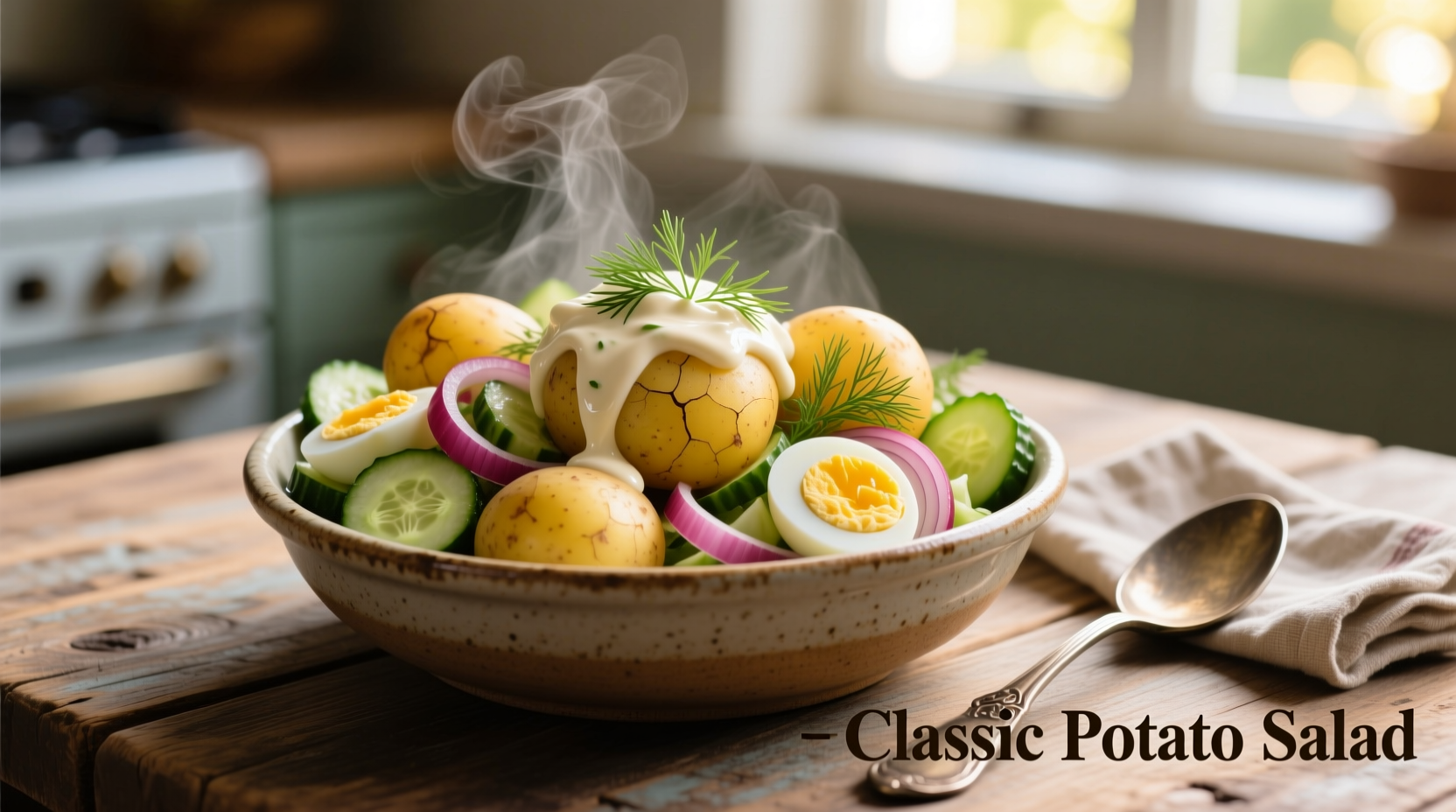
Why Proper Potato Boiling Makes or Breaks Your Salad
Getting the boiling technique right for potato salad isn't just helpful—it's essential. Unlike mashed potatoes where texture breakdown is desirable, potato salad requires potatoes that maintain their shape while absorbing dressing flavors. When potatoes are improperly boiled, you end up with either:
- Mushy, disintegrating pieces that turn your salad into a starchy mess
- Undercooked chunks with hard centers that ruin the eating experience
- Waterlogged potatoes that dilute your dressing and prevent flavor absorption
Selecting the Ideal Potato Varieties
Not all potatoes behave the same when boiled for salad. The starch content determines how they'll hold up in your final dish. Waxy potatoes maintain their shape better due to lower starch content, while starchy varieties like Russets tend to fall apart.
| Potato Variety | Starch Content | Boiling Result for Salad | Best For |
|---|---|---|---|
| Yukon Gold | Medium | Holds shape well with creamy interior | Ideal all-purpose choice |
| Red Potatoes | Low (Waxy) | Excellent shape retention | Cold potato salads |
| Fingerling | Low (Waxy) | Maintains distinctive shape | Gourmet presentations |
| Russet | High | Tends to break down | Avoid for traditional potato salad |
According to USDA agricultural research, waxy potatoes contain 16-18% starch compared to 20-22% in starchy varieties like Russets. This 4-6% difference significantly impacts how the potatoes behave during boiling and cooling. The lower starch content means less water absorption and better structural integrity—critical for maintaining distinct pieces in potato salad.
Step-by-Step Perfect Potato Boiling Method
Follow this professional technique used in restaurant kitchens for consistently perfect potato salad potatoes:
Preparation Essentials
- Uniform sizing: Cut potatoes to 3/4-inch cubes (larger than bite-sized to account for slight shrinkage)
- Cold start: Always begin with cold water—this ensures even cooking from edge to center
- Proper salting: Use 1½ tablespoons salt per gallon of water (similar to seawater)
The Boiling Process
- Place cut potatoes in a large pot and cover with cold water by 1 inch
- Add salt and bring to a gentle simmer over medium heat (not a rolling boil)
- Set timer for 12-15 minutes (test at 12 minutes with a fork)
- Drain immediately when just fork-tender (a fork should meet slight resistance)
Research from the Food Science Department at Cornell University explains that boiling potatoes in rapidly boiling water causes the exterior to cook faster than the interior, leading to uneven texture. The gentle simmer method allows heat to penetrate evenly, preventing the outside from becoming waterlogged while the center finishes cooking.
The Critical Cooling Phase Most Home Cooks Miss
What happens after boiling determines whether your potatoes will hold their shape in salad. Improper cooling is the #1 reason potatoes become mushy:
- Never cool in water: Residual heat continues cooking and waterlogging potatoes
- Spread immediately: Transfer drained potatoes to a single layer on a baking sheet
- Cool at room temperature: Let sit 15-20 minutes until just warm to the touch
- Refrigerate uncovered: If making ahead, refrigerate uncovered for 1 hour before dressing
According to food safety guidelines from the FDA Food Code, cooked potatoes should not remain in the "danger zone" (40°F-140°F) for more than 2 hours. However, rapid cooling of hot potatoes creates condensation that makes them soggy. The ideal approach is cooling at room temperature for 15-20 minutes until just warm, then refrigerating uncovered to finish cooling while preventing excess moisture buildup.
Common Mistakes That Ruin Potato Salad Texture
Avoid these frequent errors that lead to disappointing results:
- Starting with hot water: Causes uneven cooking and skin splitting
- Overcooking by 2-3 minutes: The difference between firm and mushy is minimal
- Cutting after boiling: Leads to irregular pieces and increased surface area for water absorption
- Dressing while piping hot: Causes potatoes to absorb too much dressing and break down
Pro Tips for Restaurant-Quality Results
Elevate your potato salad with these chef-tested techniques:
- Vinegar bath: Toss warm potatoes with 1 tablespoon apple cider vinegar per pound—this helps them absorb dressing better
- Herb infusion: Add a bay leaf or sprig of fresh dill to the boiling water for subtle flavor
- Texture test: Perfectly cooked potatoes should give slightly when pressed but hold their shape
- Dressing timing: Add dressing when potatoes are just warm (not hot or cold) for optimal absorption
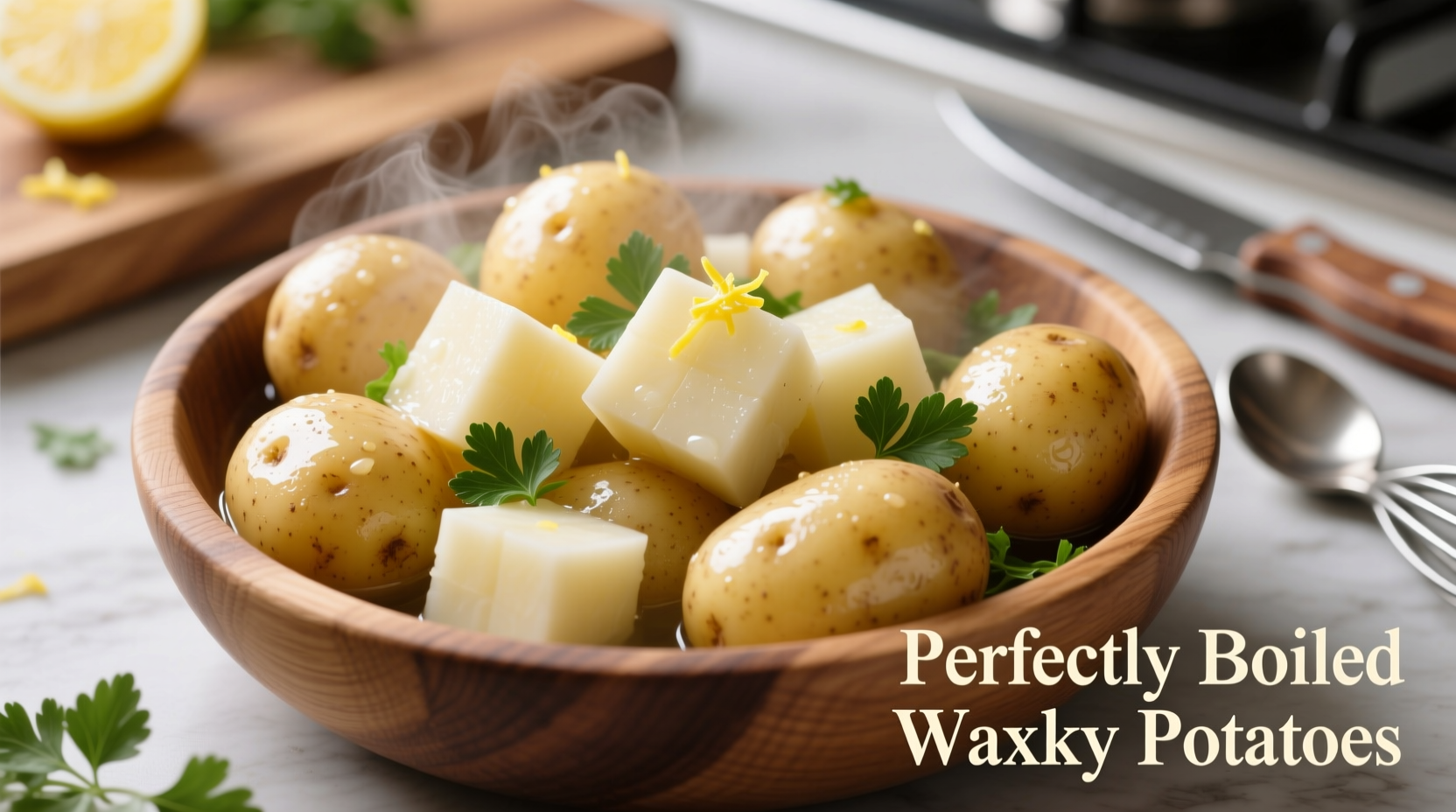
Why This Method Works Every Time
The science behind this technique comes down to starch behavior. When potatoes heat gradually in cold water, the starch granules absorb moisture evenly without rupturing. The gentle simmer prevents violent movement that damages potato structure. Immediate draining stops the cooking process precisely, while proper cooling prevents steam from continuing to cook the potatoes.
Professional kitchens follow these same principles because they understand that potato salad's success hinges on this foundational step. Get the boiling right, and everything else falls into place.




 浙公网安备
33010002000092号
浙公网安备
33010002000092号 浙B2-20120091-4