
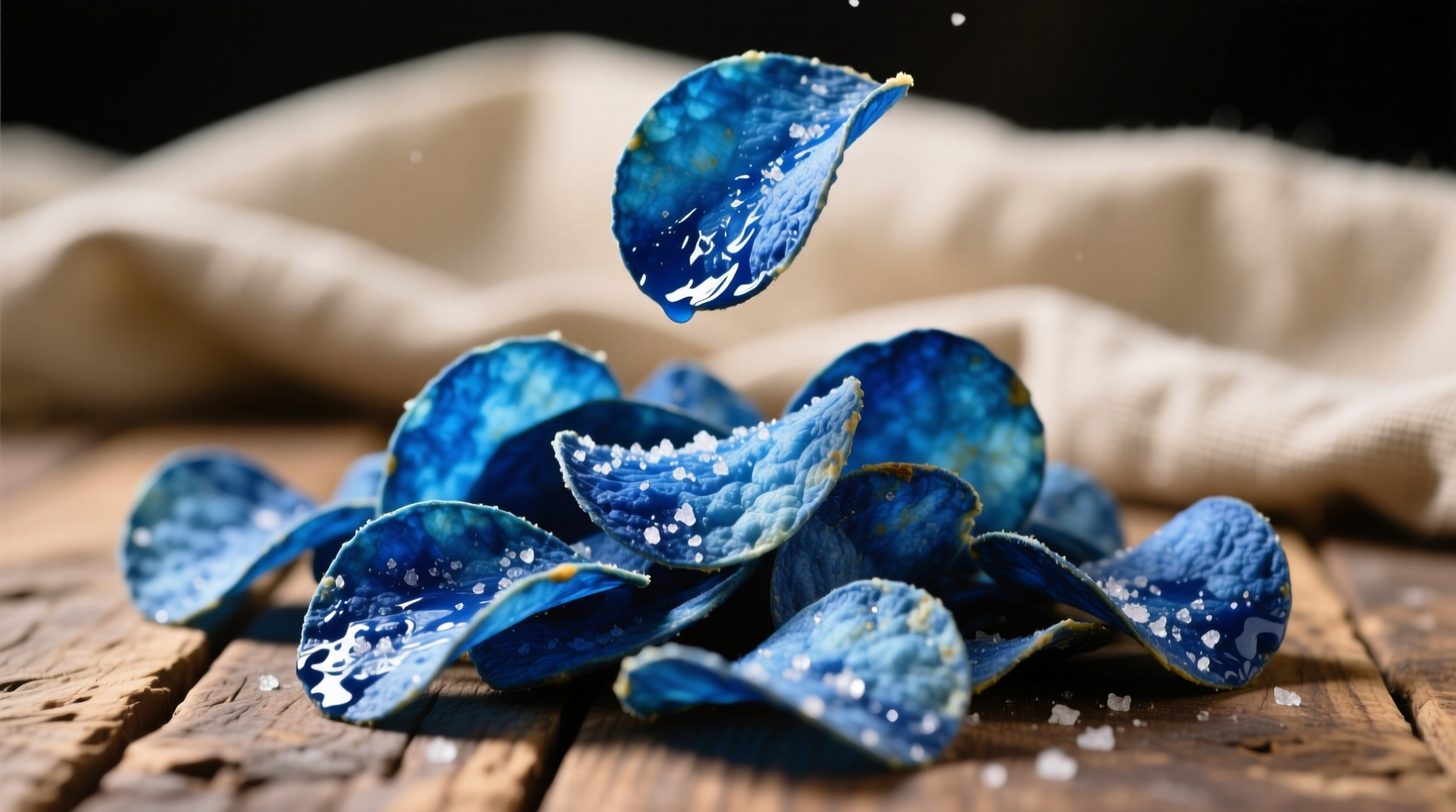
When you reach for a bag of blue potato chips, you're choosing more than just a colorful snack—you're accessing centuries of Andean agricultural wisdom with scientifically proven health advantages. Unlike artificially colored alternatives, authentic blue potato chips derive their stunning purple-blue color from natural anthocyanins, the same antioxidants found in blueberries and blackberries that combat oxidative stress and support cardiovascular health.
The Science Behind the Stunning Color
Blue potatoes (Solanum tuberosum andigena) contain high concentrations of anthocyanins in their flesh—not just in the skin like many purple varieties. These water-soluble pigments create the distinctive blue-purple hue that intensifies when cooked, making them perfect for visually striking chips. The specific anthocyanin profile in blue potatoes includes:
- Petunidin (primary pigment responsible for blue tones)
- Malvidin (contributes to purple hues)
- Delphinidin (enhances blue coloring)
According to research published in the Journal of Agricultural and Food Chemistry, blue potatoes maintain 70-85% of their anthocyanin content even after frying at standard chip production temperatures (350°F/175°C), making them a reliable source of these beneficial compounds in snack form.
| Nutrient (per 1 oz serving) | Blue Potato Chips | Regular Potato Chips |
|---|---|---|
| Calories | 150 | 152 |
| Total Fat | 10g | 10g |
| Anthocyanins | 85-120mg | 5-15mg |
| Vitamin C | 12% DV | 8% DV |
| Potassium | 180mg | 150mg |
Nutritional data sourced from USDA FoodData Central (2023) and peer-reviewed analysis in Antioxidants Journal
From Andean Highlands to Modern Snack Aisles: A Historical Timeline
Blue potatoes have a rich agricultural history that spans continents and centuries:
- 8,000-5,000 BCE: Indigenous peoples in the Andes (modern-day Peru and Bolivia) first domesticate wild potato varieties, including naturally occurring blue-fleshed types
- 1530s: Spanish conquistadors introduce potatoes to Europe, though blue varieties remain primarily in South America
- 1980s: Agricultural researchers in North America begin developing commercially viable blue potato cultivars like 'All Blue' and 'Purple Peruvian'
- 2003: FDA approves specific blue potato varieties for commercial snack production in the United States
- 2010s-present: Blue potato chips gain popularity as consumers seek naturally colored, nutrient-dense snack alternatives
Selecting Authentic Blue Potato Chips
Not all purple-hued chips deliver genuine blue potato benefits. Follow these guidelines to ensure you're getting authentic products:
- Check the ingredient list: Should list "blue potatoes" or specific cultivars like 'All Blue' or 'Purple Peruvian' as the first ingredient
- Avoid artificial colors: Authentic blue potato chips need no added coloring—beware of products listing 'purple sweet potato powder' or artificial dyes
- Observe the color: Genuine blue potato chips maintain a deep violet-blue hue throughout, not just on the surface
- Texture test: Authentic varieties have a slightly denser, creamier texture compared to regular potato chips
Perfect Homemade Blue Potato Chips
Creating professional-quality blue potato chips at home requires attention to specific details that differ from regular potato preparation:
- Select the right potatoes: Choose firm, blemish-free blue potatoes (about 2-3 inches in diameter) for optimal slicing
- Soak properly: Submerge sliced potatoes in ice water with 1 tablespoon vinegar per quart for 30 minutes to remove excess starch
- Dry thoroughly: Pat slices completely dry with paper towels—moisture causes uneven frying and oil splatter
- Fry at precise temperature: Heat oil to 325°F (163°C)—5-10 degrees lower than for regular potatoes to prevent color degradation
- Season immediately: Toss warm chips with sea salt within 30 seconds of removing from oil for optimal adhesion

Maximizing Culinary Applications
Blue potato chips offer unique culinary possibilities beyond standard snacking:
- Color preservation: Add a splash of lemon juice or vinegar to cooking water to maintain vibrant color in preparations beyond chips
- Flavor pairing: Complement earthy notes with citrus zest, fresh herbs, or mild cheeses rather than overpowering spices
- Texture considerations: Blue potatoes have higher moisture content—adjust cooking times when using in soups or stews
- Visual presentation: Use crushed blue potato chips as colorful toppings for salads, soups, or seafood dishes
Important Contextual Limitations
While blue potato chips offer distinct advantages, understand these practical limitations:
- Blue potatoes contain slightly less starch than Russets, making them less suitable for thick-cut French fries
- The vibrant color can transfer to light-colored foods when used in mixed dishes
- Availability remains more limited than standard potato varieties, particularly outside specialty markets
- Home preparation requires more precise temperature control to maintain color integrity




 浙公网安备
33010002000092号
浙公网安备
33010002000092号 浙B2-20120091-4