
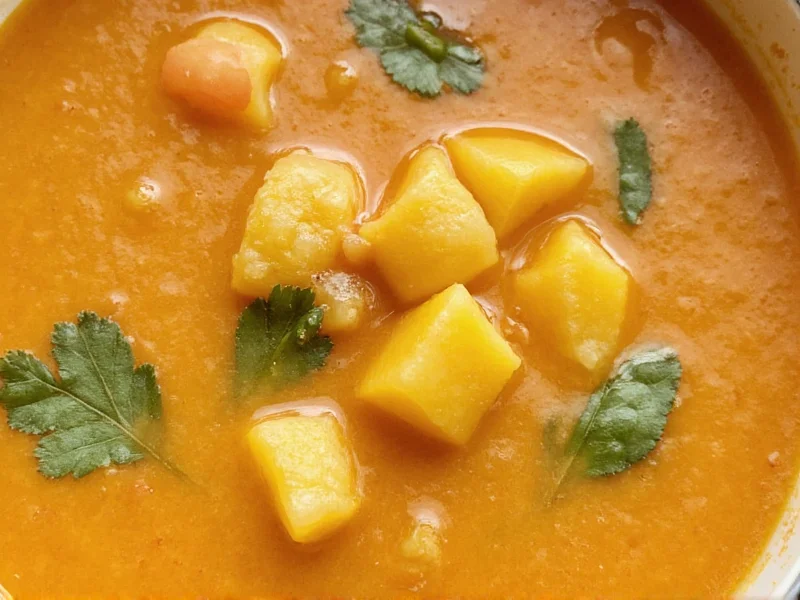
Many home cooks and food enthusiasts search for "blind melon soup" when they actually mean "bitter melon soup." This common confusion stems from similar pronunciation and the fact that "bitter" can sometimes be misheard or mistyped as "blind" in certain accents. Understanding this distinction is crucial for anyone looking to explore this unique culinary tradition.
What Is Bitter Melon and Why the Confusion Occurs
Bitter melon, also known as bitter gourd, balsam pear, or karela, is a vine-grown fruit belonging to the cucumber family. Despite its name, it's technically a fruit that's used as a vegetable in cooking. The confusion with "blind melon" likely happens because:
- The words "bitter" and "blind" share similar phonetic elements in some accents
- Auto-correct and speech recognition systems sometimes misinterpret "bitter"
- Non-native English speakers may mix up these similar-sounding terms
Bitter melon has a distinctive oblong shape with a warty exterior that ranges from green to yellow as it ripens. When cut open, it reveals white to red pulp surrounding flat seeds. Its most notable characteristic is its pronounced bitter taste, which diminishes somewhat when cooked properly.
Nutritional Profile and Health Benefits of Bitter Melon Soup
Bitter melon soup has been a staple in traditional medicine systems across Asia for centuries. Modern research supports many of these traditional uses, particularly regarding blood sugar regulation. A typical serving of bitter melon soup provides:
| Nutrient | Amount per 100g | Health Benefit |
|---|---|---|
| Vitamin C | 84mg (93% DV) | Immune support, antioxidant properties |
| Vitamin A | 471IU (9% DV) | Eye health, skin maintenance |
| Fiber | 2.8g (10% DV) | Digestive health, blood sugar regulation |
| Iron | 0.43mg (2% DV) | Blood health, oxygen transport |
| Calcium | 16mg (1% DV) | Bone health, muscle function |
Scientific studies suggest bitter melon contains compounds like charantin and polypeptide-p that may help regulate blood glucose levels. While not a replacement for medical treatment, incorporating bitter melon soup into a balanced diet shows promise for metabolic health support.
Traditional Bitter Melon Soup Variations Across Cultures
Bitter melon soup preparation varies significantly across different culinary traditions. Each culture has developed techniques to balance the vegetable's natural bitterness while preserving its nutritional benefits.
Chinese Bitter Melon Soup
In Chinese cuisine, bitter melon soup often features pork ribs or chicken as a base. The Cantonese version typically includes:
- Fresh bitter melon sliced and deseeded
- Pork ribs or chicken bones for broth
- Dried scallops for umami depth
- Ginger to counter bitterness
- Goji berries for color and nutrition
Chefs often blanch the bitter melon first to reduce bitterness before adding it to the broth. The soup simmers for 1-2 hours to develop complex flavors while maintaining the vegetable's crisp texture.
Indian Karela Soup
Indian preparations of bitter melon soup, known as karela soup, use different spice profiles:
- Turmeric for color and anti-inflammatory properties
- Cumin and coriander for earthy notes
- Fresh cilantro for brightness
- Lemon juice to balance bitterness
- Yogurt or coconut milk in some regional variations
Unlike Chinese versions, Indian karela soup often features the melon cooked with spices first before adding liquid, creating a different flavor profile that complements rice or flatbreads.
How to Select and Prepare Bitter Melon for Soup
Choosing quality bitter melon makes a significant difference in your soup's final flavor. Follow these professional tips for best results:
Selecting the Best Bitter Melon
- Look for firm melons with bright green skin (avoid yellowing which indicates overripeness)
- Choose specimens with pronounced ridges and bumps
- Smaller melons (6-8 inches) typically have less intense bitterness
- Fresh bitter melon should feel heavy for its size
Reducing Bitterness: Professional Techniques
While some bitterness is characteristic of the dish, excessive bitterness can overwhelm other flavors. Try these proven methods:
- Salt treatment: Slice melon, sprinkle with salt, and let sit for 30 minutes before rinsing
- Blanching: Boil slices for 2-3 minutes, then shock in ice water
- Scraping: Remove the white pith inside the melon where bitterness concentrates
- Pairing: Combine with sweet elements like corn or carrots in your soup
Professional chefs often use a combination of these techniques to achieve the perfect balance of bitter and savory flavors in bitter melon soup recipes.
Step-by-Step Bitter Melon Soup Recipe
Here's a simplified version of traditional Chinese bitter melon soup that balances authentic preparation with home kitchen practicality:
Ingredients
- 1 medium bitter melon
- 500g pork ribs or chicken bones
- 2 liters water
- 3 slices fresh ginger
- 1 tablespoon salt (for treatment)
- 1 tablespoon cooking wine
- Optional: dried scallops, goji berries, or corn
Preparation Steps
- Cut bitter melon lengthwise, scoop out seeds and white pith
- Slice into half-moon pieces about 1/4 inch thick
- Toss with salt and let sit for 30 minutes, then rinse thoroughly
- Blanch melon slices in boiling water for 2 minutes, then drain
- Bring water to boil with meat bones and ginger
- Skim off impurities that rise to the surface
- Add cooking wine and optional ingredients
- Simmer for 45 minutes before adding bitter melon
- Cook for additional 20-30 minutes until melon reaches desired tenderness
- Season with salt to taste before serving
This preparation yields a clear broth with tender melon pieces that retain their shape and offer a complex bitter-savory flavor profile. The soup should be served hot, preferably the same day it's made for best flavor.
Where to Find Bitter Melon and Storage Tips
Finding authentic bitter melon requires knowing where to look. Here's what experienced cooks recommend:
- Asian grocery stores: Most reliable source, especially Chinese, Vietnamese, and Indian markets
- Farmers markets: Increasingly available in regions with diverse agricultural production
- Specialty produce sections: Larger conventional grocery chains sometimes carry it
- Growing your own: Bitter melon vines grow well in warm climates with proper support
When storing bitter melon, keep these tips in mind:
- Refrigerate whole melons in the crisper drawer for up to 1 week
- Once cut, wrap tightly in plastic and use within 2-3 days
- Blanched slices can be frozen for up to 3 months
- Never store near ethylene-producing fruits like bananas that accelerate ripening
Common Substitutions When Bitter Melon Isn't Available
If you can't find bitter melon but want to experience similar soup preparations, consider these alternatives:
- Zucchini: Mild flavor that absorbs broth flavors well, though lacking the distinctive bitterness
- Chayote: Similar texture with mild flavor, common in Latin American cooking
- Green papaya: Used in some Southeast Asian soups with comparable texture
- Cucumber: For cold soup variations, though much more delicate
While these substitutes won't replicate the authentic bitter melon soup experience, they can provide similar textural elements in soup preparations. For the closest approximation of bitterness, some chefs add a small amount of dandelion greens or endive to the soup near the end of cooking.
Cultural Significance and Historical Evolution of Bitter Melon Soup
Bitter melon soup holds special significance in several Asian cultures, particularly during summer months. In Traditional Chinese Medicine, bitter flavors are believed to clear heat and toxins from the body, making this soup a popular seasonal dish. Many families prepare bitter melon soup as part of their Lunar New Year celebrations, symbolizing the acceptance of life's challenges (bitterness) before enjoying prosperity (sweetness).
In Indian culture, karela soup often appears in Ayurvedic dietary practices, where its cooling properties balance certain body types. Southeast Asian communities frequently serve bitter melon soup to new mothers during postpartum recovery periods, believing it helps cleanse the system after childbirth.
Scientific Research Timeline
Modern validation of bitter melon's properties follows a documented progression of scientific discovery:
| Year | Key Scientific Milestone | Source |
|---|---|---|
| 1960 | Initial isolation of charantin, a key hypoglycemic compound | Grover & Yadav, Journal of Ethnopharmacology (2002) |
| 2010 | Cochrane review confirms potential blood glucose benefits with call for rigorous clinical trials | Onakpoya et al., Cochrane Database Syst Rev (2010) |
| 2018 | Inclusion in WHO Monographs as a medicinal plant with demonstrated hypoglycemic effects | WHO Monographs on Selected Medicinal Plants, Volume 4 |
Contextual Considerations: When to Use (and Avoid) Bitter Melon Soup
While bitter melon soup offers potential health benefits, specific contexts require careful consideration:
| Context | Guidance | Scientific Basis | Source |
|---|---|---|---|
| Diabetes management (taking medication) | Use only under medical supervision; monitor blood sugar closely | Compounds may enhance diabetes medication effects, risking hypoglycemia | National Center for Complementary and Integrative Health |
| Pregnancy and breastfeeding | Avoid consumption | Potential uterine stimulation and miscarriage risk; insufficient safety data | NCCIH |
| Children | Generally safe in food amounts; avoid medicinal doses | Limited research on safety; no established therapeutic dosage | NCCIH |




 浙公网安备
33010002000092号
浙公网安备
33010002000092号 浙B2-20120091-4