
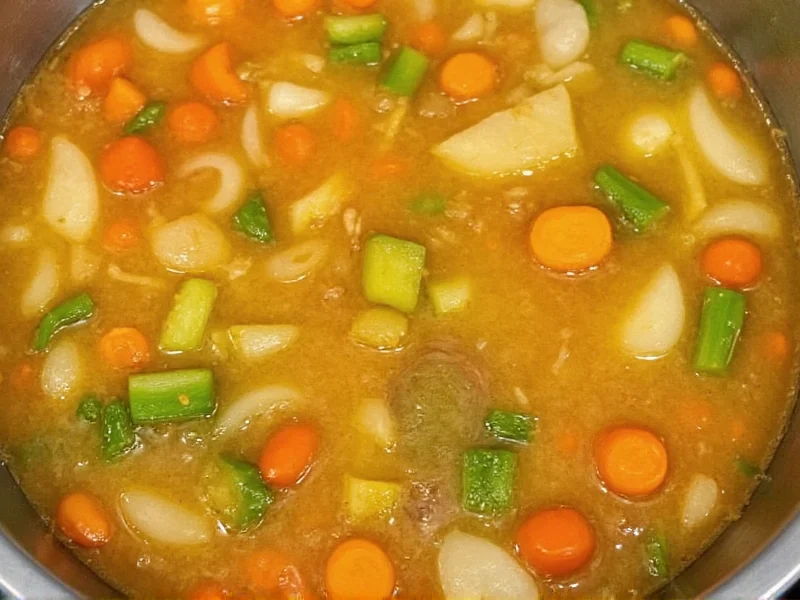
Creating exceptional blended vegetable soup requires understanding both technique and ingredient synergy. Unlike traditional chunky soups, this preparation method unlocks unique nutritional benefits while delivering restaurant-quality texture from your home kitchen. The magic happens when heat softens vegetables and blending emulsifies their natural fibers, creating a silky mouthfeel that carries flavors more effectively than strained or pureed alternatives.
The Science Behind Superior Blended Vegetable Soup
Blending hot vegetables immediately after cooking preserves volatile flavor compounds that would otherwise evaporate during extended simmering. This technique maintains higher vitamin C levels compared to traditional methods where vegetables cook longer in liquid. The mechanical action of blending breaks cell walls, making carotenoids like beta-carotene up to 30% more bioavailable according to food science research.
Historical Evolution of Blending Technology
Blended soups have evolved alongside kitchen technology, with each advancement improving texture and accessibility. Based on historical records from the Smithsonian National Museum of American History, key milestones include:
| Era | Development | Impact on Blended Soups |
|---|---|---|
| Pre-1920s | Manual pureeing with mortars, sieves, or hand-cranked mills | Labor-intensive process limited smoothness; primarily used in professional kitchens |
| 1922-1937 | Stephen Poplawski's beverage mixer patent (1922) and early electric blenders | Enabled home preparation of smooth soups but required long blending times |
| 1937-1990s | Waring Blender introduction (1937) and widespread adoption of countertop models | Standardized blended soup preparation; texture improvements through variable speeds |
| 2000s-Present | High-speed blenders (1200+ watts) with thermal protection | Achieves commercial-quality silkiness in 90 seconds; preserves nutrients through rapid processing |
Essential Equipment Guide
While any blender works, high-performance models (1200+ watts) create noticeably smoother results by fully breaking down vegetable fibers. Consider these options for different needs:
| Blender Type | Best For | Blending Time | Texture Result |
|---|---|---|---|
| High-Speed Countertop | Large batches, fibrous vegetables | 2-3 minutes | Silkiest commercial-grade texture |
| Immersion Blender | Small batches, safety with hot liquids | 3-5 minutes | Slightly textured but smooth |
| Standard Countertop | Occasional use, softer vegetables | 4-6 minutes | Good but may require straining |
Master Recipe: Perfect Everyday Blended Vegetable Soup
This foundational recipe works year-round with seasonal produce. The 3:2:1 ratio (vegetables:liquid:aromatics) ensures balanced flavor and texture every time.
Ingredients
- 6 cups mixed vegetables (carrots, cauliflower, sweet potato)
- 4 cups vegetable broth (low-sodium)
- 2 cups water or additional broth
- 1 large onion, chopped
- 3 garlic cloves, minced
- 2 tbsp olive oil
- 1 tsp fresh thyme
- Salt and pepper to taste
Step-by-Step Preparation
- Sauté onions and garlic in olive oil until translucent (5 minutes)
- Add chopped vegetables and thyme, cook 3 minutes to enhance flavors
- Pour in broth and water, bring to gentle boil
- Reduce heat, cover and simmer until vegetables pierce easily with fork (15-20 minutes)
- Cool slightly (critical safety step for blending)
- Transfer to blender, fill only halfway with hot liquid
- Blend on low then high speed for 60-90 seconds until completely smooth
- Return to pot, adjust seasoning, heat gently without boiling
Vegetable Selection Strategies
Not all vegetables blend equally well. Understanding their properties helps create perfect texture:
- Foundation vegetables (40-50% of total): Carrots, sweet potatoes, cauliflower, butternut squash provide natural thickness and sweetness
- Flavor enhancers (30%): Celery, leeks, fennel add complexity without overpowering
- Texture modifiers (20-30%): Zucchini, green beans, peas maintain brightness but require careful timing
Seasonal blending produces the most flavorful results. Spring favors asparagus and peas, summer shines with tomatoes and zucchini, while fall and winter bring squash and root vegetables into their prime. Avoid watery vegetables like cucumbers which dilute flavor and create separation.
Advanced Flavor Development Techniques
Professional kitchens use these methods to elevate simple blended vegetable soup:
- Dry roasting vegetables before simmering deepens flavors through caramelization
- Acid balancing with lemon juice or apple cider vinegar brightens heavy vegetable profiles
- Umami boosters like nutritional yeast or miso paste (added after blending) enhance savory notes
- Layered seasoning - add herbs at different cooking stages for complex flavor development
Dietary Adaptation Guide
This versatile recipe accommodates most dietary requirements with simple modifications:
- Vegan creaminess: Blend in 1/4 avocado or 2 tbsp raw cashews for richness without dairy
- Low-FODMAP version: Use carrots, zucchini, and bok choy with garlic-infused oil instead of whole garlic
- Protein enhancement: Stir in white beans after blending for added protein and creaminess
- Kid-friendly adjustments: Add a small apple for natural sweetness that masks stronger vegetable flavors
Contextual Applications and Limitations
While blended vegetable soup offers broad versatility, its appropriateness varies significantly by individual circumstances. Clinical guidelines identify specific scenarios where benefits are maximized—and where alternatives may be safer. Key considerations include:
| Scenario | Recommended Application | Key Limitations |
|---|---|---|
| Infant Nutrition (6-12 months) | Ideal first vegetable introduction; smooth texture reduces choking risk while providing nutrients | Per AAP guidelines, transition to lumpy textures by 9-10 months is critical for oral development |
| Dysphagia Management | Meets IDDSI Level 3-4 requirements for safe swallowing; nutrient-dense option for compromised intake | Requires precise viscosity testing; follow NIDCD protocols for modification to prevent aspiration |
| Gastrointestinal Recovery | Provides easily digestible nutrients during gut healing phases (e.g., post-surgery) | Not suitable for long-term use; Mayo Clinic recommends gradual fiber reintroduction to restore digestive function |
| General Healthy Eating | Effective strategy for increasing daily vegetable consumption | Lower insoluble fiber than whole vegetables; balance with raw/steamed produce to maintain bowel health |
Storage and Reheating Best Practices
Proper handling maintains both safety and quality:
- Cool soup completely within 2 hours of cooking
- Store in airtight containers with 1-inch headspace (soup expands when frozen)
- Refrigerate for up to 4 days or freeze for 6 months
- Reheat gently over medium-low heat, never boiling (destroys texture)
- Add fresh herbs after reheating for maximum flavor impact
Troubleshooting Common Issues
Solve these frequent blended soup problems:
- Too thin: Simmer uncovered to reduce, or blend in 1/4 cup cooked potatoes
- Too thick: Add warm broth 1/4 cup at a time while blending
- Grainy texture: Blend longer or pass through fine mesh sieve
- Bland flavor: Balance with acid (lemon) or umami (miso), not just more salt
- Separation: Emulsify with 1 tsp xanthan gum while blending
Seasonal Recipe Variations
Adapt your blended vegetable soup throughout the year:
- Spring: Asparagus and pea soup with mint and lemon zest
- Summer: Roasted tomato and red pepper soup with basil swirl
- Fall: Butternut squash and apple soup with sage and nutmeg
- Winter: Root vegetable medley with rosemary and orange
Nutritional Benefits of Blended Preparation
The blending process enhances nutritional availability in specific ways:
- Breaks down cellulose fibers, making nutrients more accessible
- Preserves heat-sensitive vitamins better than prolonged boiling
- Increases carotenoid absorption by releasing them from plant matrices
- Maintains soluble fiber which supports gut health
- Creates more consistent nutrient distribution throughout the soup




 浙公网安备
33010002000092号
浙公网安备
33010002000092号 浙B2-20120091-4