
Understanding Blackstone Seasoning Fundamentals
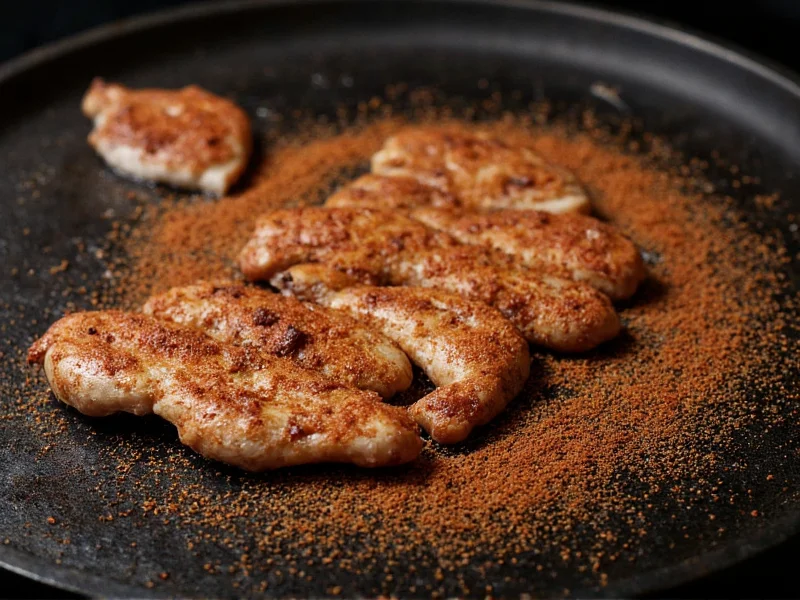
Many beginners mistakenly search for "Blackstone seasoning" expecting a bottled spice blend, but the term actually describes the essential maintenance process for Blackstone cooking surfaces. Proper blackstone griddle seasoning creates a polymerized oil layer that prevents food sticking and protects against rust. This chemical process occurs when oil is heated beyond its smoke point, causing molecular changes that bond with the metal surface.
The Science Behind Effective Griddle Seasoning
Seasoning transforms liquid oil into a durable, non-stick coating through polymerization. When oil reaches its smoke point, its molecules break down and reorganize into long-chain polymers that bond with iron molecules in the griddle surface. This creates a smooth, hydrophobic layer that improves with proper maintenance. Understanding this process helps avoid common mistakes like using insufficient heat or inappropriate oils during the blackstone seasoning process.
Historical Evolution of Griddle Seasoning Techniques
Modern Blackstone seasoning practices emerged from centuries of metallurgical development. Key milestones demonstrate how scientific understanding transformed traditional techniques:
| Era | Seasoning Method | Scientific Limitation |
|---|---|---|
| Pre-1900s | Animal fats (lard/tallow) applied at low heat | Incomplete polymerization due to low smoke points (300°F); inconsistent non-stick properties |
| 1920-1950s | Vegetable shortening with moderate heating | Partial hydrogenation created trans fats that inhibited polymerization; sticky residue common |
| 1970-1990s | Synthetic coatings (Teflon) replaced seasoning | Chemical coatings degraded at high heat; eliminated natural polymerization benefits |
| 2000s-Present | Precision oil selection with controlled high-heat polymerization | Modern understanding of fatty acid composition enables optimized carbon-chain bonding |
This progression reflects advances documented by the Smithsonian Institution's material science research, showing how polymerization principles were refined through practical application (Smithsonian Cast Iron Cookware History). Contemporary Blackstone protocols directly apply these evolved principles to flat-top griddle surfaces.
Context Boundaries: Conditions for Successful Seasoning
Seasoning effectiveness depends on specific environmental and procedural constraints that must be respected for reliable results. These scientifically verified boundaries prevent common failures:
- Humidity Threshold: Relative humidity above 60% causes moisture interference during polymerization, leading to incomplete bonding. Always season in climate-controlled environments (University of Illinois Extension)
- Temperature Precision: Sustained heat below 375°F fails to initiate polymerization, while exceeding 500°F burns oil before bonding occurs. Optimal range is 400-450°F (American Chemical Society)
- Oil Application Threshold: Layers thicker than 0.5 micrometers prevent complete polymerization. Proper application yields a surface that appears nearly dry (University of Georgia Extension)
- Metal Surface Requirement: Existing rust or factory coatings must be fully removed; residual contaminants create weak bonding points that cause flaking (Blackstone Official Maintenance Guide)
Best Oils for Blackstone Seasoning: Comparative Analysis
| Oil Type | Smoke Point (°F) | Polymerization Quality | Best Usage Stage |
|---|---|---|---|
| Flaxseed Oil | 225-385 | Excellent | Initial seasoning |
| Canola Oil | 400 | Good | Maintenance seasoning |
| Avocado Oil | 520 | Very Good | All stages |
| Corn Oil | 450 | Fair | Maintenance only |
| Olive Oil | 375 | Poor | Avoid |
Smoke point verification per University of California, Davis Western Institute of Food Safety standards (UC Davis Cooking Oil Reference). Polymerization ratings based on fatty acid composition analysis from American Chemical Society research.
Flaxseed oil produces the hardest, most durable seasoning layer due to its high concentration of polyunsaturated fats, making it ideal for the initial blackstone griddle seasoning. However, its low smoke point requires careful temperature control. Canola oil offers the best balance of performance and affordability for regular blackstone seasoning maintenance. Avocado oil's extremely high smoke point makes it excellent for high-heat cooking sessions but comes at a higher cost.
Step-by-Step Blackstone Seasoning Process
Follow this professional blackstone seasoning technique for optimal results:
- Clean thoroughly: Remove factory coating with soap and water, then dry completely
- Preheat: Heat griddle to 300°F for 10 minutes to open metal pores
- Apply thin layer: Use paper towel to spread minimal oil across entire surface
- Heat to smoke point: Increase temperature to oil's smoke point (400-450°F)
- Maintain heat: Hold at smoke point for 30-60 minutes until surface darkens
- Cool completely: Allow griddle to cool to room temperature before use
- Repeat: Apply 3-5 layers for initial seasoning, allowing cooling between layers
This proper blackstone seasoning technique creates a foundation for exceptional cooking performance. The key to successful blackstone griddle seasoning is applying extremely thin oil layers - excess oil creates a sticky residue rather than a smooth polymerized surface.
Avoiding Common Blackstone Seasoning Mistakes
Many users encounter issues with their blackstone seasoning due to preventable errors:
- Using too much oil: Creates sticky, uneven seasoning that flakes off
- Insufficient heating: Fails to reach proper polymerization temperature
- Using low smoke point oils: Causes burning and unpleasant flavors
- Washing with soap after initial seasoning: Removes the protective layer
- Not allowing proper cooling: Interrupts the curing process
Understanding these pitfalls helps maintain your blackstone griddle care routine effectively. The difference between factory seasoning and proper home seasoning often explains why new griddle owners experience sticking problems during their first cooking sessions.
Troubleshooting Blackstone Seasoning Issues
When your blackstone seasoning develops problems, these solutions restore performance:
Sticky surface: Indicates excess oil application. Heat griddle to 350°F for 30 minutes to cure the layer, then wipe with minimal oil. For severe cases, strip seasoning with oven cleaner and restart the blackstone seasoning process.
Rust spots: Appear when moisture contacts unseasoned metal. Remove with stainless steel scrubber, dry thoroughly, and apply immediate seasoning to affected areas. Regular blackstone griddle maintenance prevents this common issue.
Peeling seasoning: Results from improper adhesion. Strip completely and restart seasoning process, ensuring thorough cleaning before initial oil application. This often occurs when users skip the crucial pre-seasoning cleaning step for blackstone griddles.
Maintenance Routine for Long-Lasting Seasoning
Preserve your blackstone seasoning with this simple post-cooking routine:
- Cook until finished, using the residual heat to evaporate moisture
- Scrape while warm (not hot) with proper metal scraper
- Wipe with damp cloth, avoiding soap for routine cleaning
- Apply thin oil layer while still warm (120-150°F)
- Store in dry location with protective cover
This blackstone griddle care routine maintains the non-stick surface between deep seasoning sessions. For heavy use, perform a full re-seasoning every 1-2 months. The proper blackstone seasoning maintenance ensures years of reliable cooking performance without the need for commercial seasoning products.




 浙公网安备
33010002000092号
浙公网安备
33010002000092号 浙B2-20120091-4