
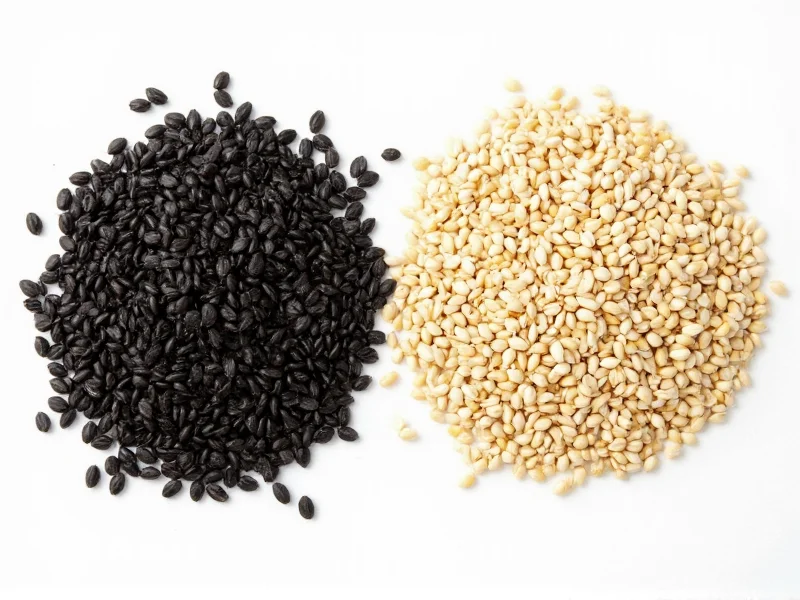
When exploring the world of sesame seeds, many home cooks and health-conscious consumers wonder about the differences between black and white varieties. These tiny seeds pack substantial nutritional value and culinary versatility, but their visual distinction represents more than just color variation. Understanding these differences helps you make informed choices for both health benefits and cooking applications.
Physical Characteristics and Processing Differences
The most apparent difference between black and white sesame seeds lies in their appearance and processing. White sesame seeds have undergone hulling—the removal of their outer protective layer—resulting in their pale ivory color. Black sesame seeds retain their natural black hull, which contributes to their darker appearance and slightly coarser texture.
This processing difference significantly impacts their nutritional profiles. The hull contains valuable fiber, antioxidants, and minerals, meaning black sesame seeds maintain these compounds while white sesame seeds lose some during hulling. However, both varieties offer substantial health benefits and culinary uses.
Historical Evolution of Sesame Cultivation
Sesame holds the distinction of being one of the oldest domesticated oil crops, with archaeological evidence tracing its origins to ancient agricultural societies. The timeline of sesame cultivation reveals how processing preferences evolved regionally:
- c. 3000 BCE: Earliest cultivation documented in the Indus Valley civilization (modern India/Pakistan), where both black and white varieties were grown with minimal processing
- 13th Century BCE: Sesame oil production referenced in Egyptian temple inscriptions, showing early hulling techniques for white seeds
- 2000 BCE: Introduction to China via Silk Road trade routes, where black sesame seeds remained unhulled for traditional medicine
- 16th Century CE: European colonists introduce sesame to the Americas, accelerating industrial hulling for white seed production
These historical patterns explain modern regional preferences: East Asian cuisines maintained black sesame usage due to continuous traditional practices, while Western applications favored hulled white seeds for neutral appearance in baked goods. The hulling technology developed during colonial trade eras standardized white sesame as the global commodity crop.
Source: Food and Agriculture Organization of the United Nations, Sesame: Post-harvest Operations
Nutritional Comparison: Black vs White Sesame Seeds
When comparing black sesame seeds vs white sesame seeds nutrition, several key differences emerge. While both provide healthy fats, protein, and essential minerals, the presence of the hull in black sesame seeds gives them a nutritional edge in certain areas.
| Nutrient (per 1 oz/28g) | Black Sesame Seeds | White Sesame Seeds |
|---|---|---|
| Calories | 160 | 160 |
| Total Fat | 14g | 14g |
| Protein | 5g | 5g |
| Dietary Fiber | 4g | 3.3g |
| Calcium | 14% DV | 10% DV |
| Iron | 20% DV | 15% DV |
| Magnesium | 25% DV | 24% DV |
| Antioxidant Content | Very High | Moderate |
Black sesame seeds nutritional benefits include higher levels of sesamin and sesamolin—lignans with potent antioxidant properties. These compounds may support heart health and reduce inflammation. The black hull also contains anthocyanins, the same antioxidants found in blueberries and blackberries.
White sesame seeds nutritional benefits remain substantial despite hulling. They provide excellent calcium content for bone health and contain healthy monounsaturated and polyunsaturated fats that support cardiovascular wellness. The hulling process makes white seeds slightly easier to digest for some people.
Flavor Profiles and Culinary Applications
Understanding the taste differences between black and white sesame seeds helps determine which to use in various recipes. Black sesame seeds have a more intense, earthy, and slightly bitter flavor compared to the milder, nuttier taste of white sesame seeds.
Chefs often select black sesame seeds for dishes where a bold flavor and striking visual contrast matter. They're prominent in East Asian cuisine, particularly in Japanese and Chinese dishes like goma-dofu (sesame tofu) and various desserts. The vibrant black color creates dramatic presentation in both sweet and savory applications.
White sesame seeds work better when a subtler sesame flavor is desired. They're commonly toasted and used as a garnish in Middle Eastern and Mediterranean cooking, in tahini production, and as a base for many commercial sesame oil varieties. Their neutral color makes them versatile for dishes where visual appearance matters.
Health Benefits Comparison
Both varieties offer impressive health benefits, but black sesame seeds health benefits include higher antioxidant capacity due to their intact hulls. Research suggests black sesame seeds may provide enhanced protection against oxidative stress, potentially supporting brain health and reducing inflammation.
White sesame seeds remain valuable for bone health due to their calcium content, though black varieties contain slightly more. Both support heart health through their healthy fat profiles and contain phytosterols that may help maintain healthy cholesterol levels.
For individuals concerned about mineral absorption, it's worth noting that sesame seeds contain phytic acid, which can bind to minerals. Toasting or soaking sesame seeds before consumption may improve mineral bioavailability—a consideration for both black and white varieties.
Critical Usage Constraints: Allergies and Storage Limitations
Practical application of sesame seeds requires awareness of specific constraints that impact dietary safety and product quality:
Allergen Considerations
Sesame is designated as a major food allergen by the U.S. Food and Drug Administration (FDA), requiring mandatory labeling on packaged foods in the United States. Approximately 0.2% of the U.S. population experiences sesame allergies, which can trigger severe reactions including anaphylaxis. Both black and white sesame seeds pose identical allergen risks since the allergenic proteins reside in the kernel rather than the hull. Individuals with sesame allergies must strictly avoid all sesame varieties regardless of processing.
Source: U.S. Food and Drug Administration, Sesame Allergies
Environmental Sensitivity
Sesame seeds' high oil content (50-60% by weight) creates significant storage limitations. The USDA emphasizes that exposure to temperatures above 70°F (21°C) or humidity exceeding 65% accelerates rancidity, degrading both flavor compounds and heat-sensitive nutrients like sesamin. Light exposure further catalyzes oxidation, reducing antioxidant capacity by up to 40% within 6 months under suboptimal conditions.
Source: United States Department of Agriculture, Food Storage Guidelines for Consumers
These constraints necessitate strict environmental controls in commercial settings and careful home storage practices. The hull provides marginal protection for black seeds against moisture penetration, but both varieties require identical storage protocols to maintain quality.
Storage and Preparation Tips
Proper storage maximizes the shelf life and nutritional value of both sesame seed varieties. Store both types in airtight containers in a cool, dark place. For extended storage (beyond a few months), refrigeration or freezing helps prevent the healthy oils from becoming rancid.
Toasting enhances the flavor of both black and white sesame seeds. For white seeds, toast in a dry skillet over medium heat for 3-5 minutes until golden. Black sesame seeds require slightly less time—2-3 minutes—as their darker color makes it harder to judge doneness. Watch carefully to avoid burning.
When grinding sesame seeds for pastes or sauces, black seeds create a dramatic dark paste popular in Asian desserts, while white seeds produce the traditional beige tahini. The oil extracted from black sesame seeds has a stronger flavor and darker color than oil from white seeds.
Substitution Guidance
Can you substitute black sesame seeds for white? The answer depends on your recipe and desired outcome. In most savory applications, you can substitute one for the other at a 1:1 ratio, though the visual appearance and flavor intensity will differ.
For baking and desserts, substitution requires more consideration. Black sesame seeds will darken your final product and impart a stronger flavor, which may be desirable in some recipes but problematic in others. When appearance matters, stick with the variety specified in the recipe.
For nutritional purposes, black sesame seeds offer slightly higher antioxidant levels, but both varieties provide substantial health benefits. Rotating between both types ensures you benefit from their complementary nutritional profiles.
Conclusion
Understanding the differences between black and white sesame seeds enhances both your culinary creations and nutritional choices. While white sesame seeds offer a milder flavor and traditional appearance in many global cuisines, black sesame seeds provide enhanced antioxidant benefits and dramatic visual appeal. Neither variety is inherently superior—the best choice depends on your specific recipe requirements and health goals.
By recognizing these distinctions, including their historical context and usage constraints, you can make informed decisions about which sesame seed variety best serves your culinary and nutritional needs. Both deserve a place in a well-stocked pantry, offering versatile options for enhancing flavor, texture, and nutrition in countless dishes.
Frequently Asked Questions
Which sesame seeds are healthier, black or white?
Black sesame seeds contain slightly higher levels of antioxidants, calcium, and iron due to their intact hulls. However, both varieties offer substantial nutritional benefits including healthy fats, protein, and essential minerals. The difference in overall health impact is marginal, so including both in your diet provides the most comprehensive benefits.
Why are black sesame seeds more expensive than white?
Black sesame seeds often cost more due to lower production volumes, specialized growing conditions, and higher demand in certain Asian markets. The hulling process for white sesame seeds is more standardized and done at larger scale, making white seeds generally more affordable and widely available.
Do black sesame seeds have more oil than white sesame seeds?
Both varieties contain similar oil content (approximately 50% by weight), but black sesame seeds contain higher levels of specific antioxidants like sesamin and sesamolin. The oil extracted from black seeds has a stronger flavor and darker color compared to oil from white seeds, which tends to be more neutral.
Are black sesame seeds harder to digest than white sesame seeds?
The hull on black sesame seeds contains additional fiber, which may make them slightly more challenging to digest for some people compared to hulled white seeds. Toasting or grinding black sesame seeds can improve digestibility. Individuals with sensitive digestive systems might prefer white sesame seeds or soaked/toasted black seeds.
Can I use black sesame seeds to make tahini?
Yes, you can make tahini from black sesame seeds, though the resulting paste will be dark gray to black rather than the traditional beige color. Black sesame tahini has a stronger, more bitter flavor profile that works well in certain Asian desserts and specialty dishes but differs significantly from conventional tahini used in Middle Eastern cuisine.




 浙公网安备
33010002000092号
浙公网安备
33010002000092号 浙B2-20120091-4