
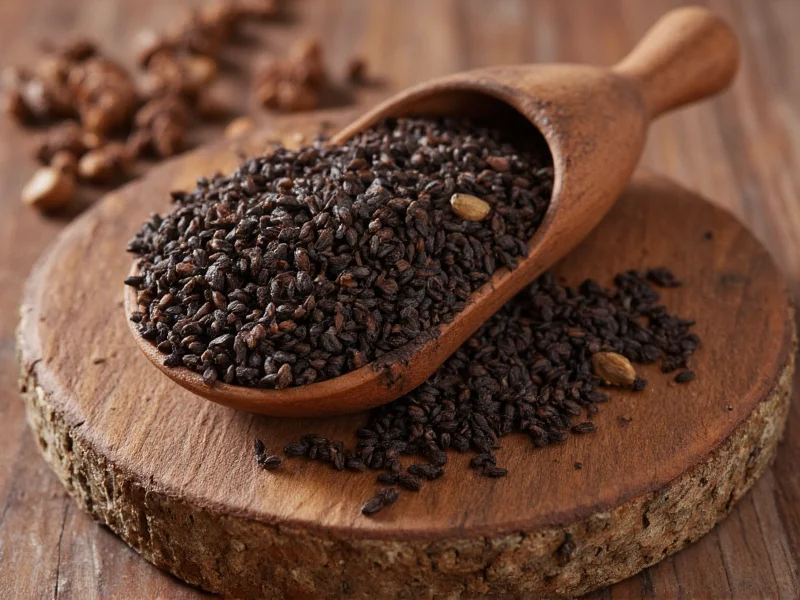
When exploring the world of spices, the term "black spice" often causes confusion. Unlike specific spices with standardized names, this descriptor encompasses multiple dark-hued seasonings that play crucial roles in various culinary traditions. Understanding these different black spices helps home cooks and professional chefs alike create authentic flavors and make appropriate substitutions when needed.
Common Types of Black Spices
Black pepper (Piper nigrum), harvested from the dried berries of a flowering vine, remains the most ubiquitous black spice worldwide. Its pungent, woody flavor with subtle heat makes it indispensable in both Western and Eastern cuisines. The peppercorns turn black during sun-drying when the outer layer ferments, creating that characteristic dark color and complex flavor profile.
Black cardamom (Amomum subulatum) offers a dramatically different experience. Also known as hill cardamom or badi elaichi, this larger, smokier relative of green cardamom gets its distinctive aroma from being dried over open flames. Its camphoraceous notes work particularly well in meat dishes and rice preparations like biryani.
| Black Spice | Primary Flavor Notes | Common Culinary Uses |
|---|---|---|
| Black Pepper | Pungent, woody, mildly hot | Universal seasoning, sauces, marinades |
| Black Cardamom | Smoky, camphor-like, earthy | Meat stews, rice dishes, spice blends |
| Black Mustard Seeds | Nutty, pungent, slightly bitter | Indian tempering, pickling, spice oils |
| Nigella Seeds | Earthy, onion-like, subtle bitterness | Bread toppings, Middle Eastern dishes |
Historical Evolution of Black Pepper Trade
Black pepper's journey from ancient luxury to global staple reveals pivotal shifts in international commerce. Historical records and archaeological evidence demonstrate:
- 1500 BCE: Earliest documented use in India, referenced in Sanskrit medical texts like the Sushruta Samhita for digestive and anti-inflammatory applications.
- 1st Century CE: Roman merchants established direct sea routes to India after mastering monsoon patterns, documented in the Periplus of the Erythraean Sea. Pepper became so valuable it was stored in locked chests and accepted as ransom during military sieges (The Metropolitan Museum of Art).
- 5th-15th Centuries: Arab traders maintained monopolies through deliberate misinformation about pepper's origins (claiming it grew in guarded valleys with fire-breathing dragons), keeping European prices artificially high.
- 1498: Vasco da Gama's voyage to Calicut, India, bypassed Arab intermediaries, reducing European pepper prices by 70% within a century and triggering colonial competition.
- 1800s: British colonization led to industrial-scale pepper cultivation in Kerala, India, which dominated global production until Indonesia's Sumatra emerged as the primary exporter in the 20th century (The Metropolitan Museum of Art).
Understanding Flavor Profiles and Applications
Each black spice contributes distinctive characteristics to dishes. Black pepper's versatility makes it suitable for both savory and sweet applications, while freshly cracked pepper delivers significantly more complex flavor than pre-ground versions. The compound piperine gives black pepper its heat, which differs chemically from the capsaicin in chili peppers.
For those exploring authentic Indian cooking techniques, understanding the difference between black and yellow mustard seeds proves essential. Black mustard seeds (Brassica nigra) have a more intense, pungent flavor compared to their yellow or brown counterparts, making them ideal for South Indian tempering techniques known as tadka or chaunk.
Nigella seeds (Nigella sativa), sometimes called black cumin or kalonji, frequently appear in naan bread and Bengali cuisine. Despite the "black cumin" nickname, they're botanically unrelated to true cumin. Their earthy, slightly bitter profile complements rich dishes and provides visual contrast as a finishing touch.
Practical Substitution Guide for Black Spices
When a recipe calls for a specific black spice you don't have, appropriate substitutions can save your dish. For black cardamom, use regular cardamom with a tiny pinch of smoked paprika to approximate the smokiness, though the flavor won't be identical. This substitution works well for understanding what black spice alternatives exist when cooking traditional recipes.
Black mustard seeds can be replaced with brown mustard seeds in most applications, though the flavor will be slightly milder. For nigella seeds, a combination of onion seeds and a touch of cumin offers the closest approximation, though the distinctive visual element will be missing.
When substituting black pepper, remember that white pepper (made from the same berry with the outer layer removed) has a different flavor profile—more earthy and less complex. For those seeking what black spice provides in terms of heat and pungency without pepper, a small amount of long pepper or a combination of allspice and chili might work in certain applications.
Proper Storage Techniques for Maximum Flavor
Black spices maintain their potency longest when stored properly. Whole spices like black peppercorns and black cardamom pods retain flavor significantly longer than ground versions. Store them in airtight containers away from light and heat—ideally in a cool, dark pantry rather than near the stove.
Black pepper particularly benefits from being freshly cracked just before use. Pre-ground pepper loses its volatile oils rapidly, diminishing both aroma and pungency. For those exploring how to identify quality black spice, look for whole peppercorns that are uniform in size and color with no signs of moisture or mold.
Black cardamom's smoky aroma fades more quickly than green cardamom, so use it within six months of purchase for optimal flavor. Nigella seeds and black mustard seeds remain stable for up to a year when stored properly, though their essential oils gradually diminish over time.
Contextual Limitations of Black Spices
Despite their versatility, black spices have specific constraints affecting culinary and health applications:
- Medication Interactions: Piperine in black pepper increases absorption of certain pharmaceuticals, including the anticoagulant warfarin and anti-epileptic drug phenytoin. The National Institutes of Health warns this can elevate blood levels to toxic concentrations (NIH LiverTox Database).
- Culinary Imbalance: Black cardamom's intense smokiness overwhelms delicate dishes like seafood or light vegetable preparations. The Culinary Institute of America specifies it should only be used in robust applications like braised meats where its flavor integrates without dominating (CIA Spice Reference Guide).
- Storage Vulnerability: Ground black pepper loses over 50% of volatile flavor compounds within 6 months under typical home storage. The National Center for Home Food Preservation recommends whole peppercorns for optimal flavor retention (NCHFP Guidelines).
Common Misconceptions About Black Spices
Many home cooks mistakenly believe that "black spice" refers to a single, standardized ingredient. In reality, regional variations mean that what's called "black spice" in one cuisine might refer to something completely different elsewhere. This confusion often leads to recipe failures when cooks don't understand what black spice actually means in a specific culinary context.
Another frequent misunderstanding involves black pepper quality. Not all black peppercorns are equal—Tellicherry peppercorns from India represent some of the highest quality, while lower-grade peppers may have inconsistent flavor and heat. Understanding the different grades of black spice helps improve cooking results significantly.
Some believe that darker color always indicates better quality in black spices, but this isn't necessarily true. Overly dark peppercorns might indicate over-fermentation during processing, which can create off-flavors. Properly processed black pepper should have a deep brown to black color, not an unnaturally jet-black appearance.




 浙公网安备
33010002000092号
浙公网安备
33010002000092号 浙B2-20120091-4