
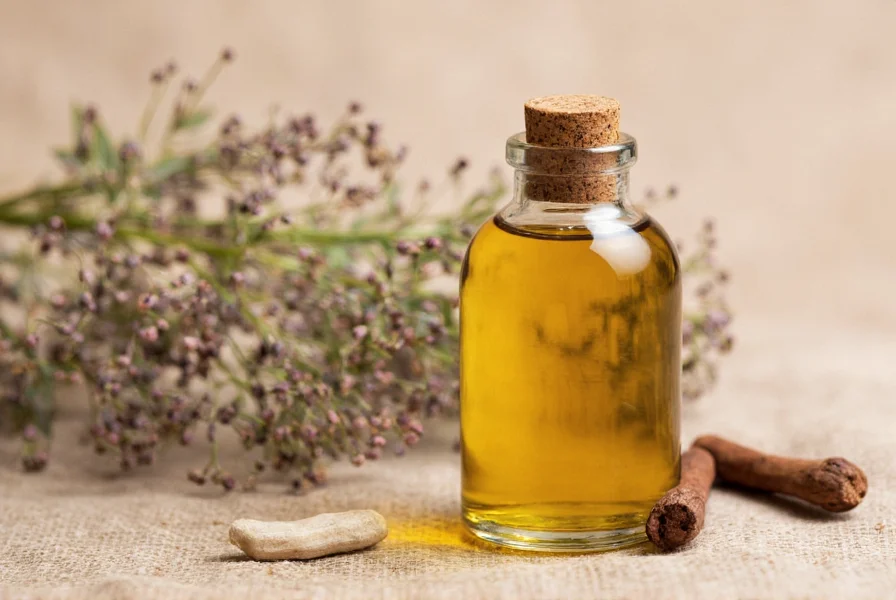
Black cumin oil (Nigella sativa), also known as black seed oil, has been used for centuries in traditional medicine systems across the Middle East and Asia. When specifically processed using cold pressing techniques, this oil maintains superior quality characteristics compared to methods involving heat or chemical solvents. Understanding the extraction process and its impact on oil quality helps consumers make informed choices about this valuable botanical product.
What Makes Black Cumin Oil Cold Pressed?
Cold pressing refers to a mechanical extraction method where seeds are pressed to release oil without applying external heat beyond what's generated by friction during the pressing process. For true cold pressed oil, temperatures must remain below 120°F (49°C) throughout extraction. This temperature control preserves heat-sensitive compounds like thymoquinone, the primary bioactive component in black cumin oil responsible for many of its studied properties.
During cold pressing, cleaned black cumin seeds undergo several stages:
- Seed cleaning and sorting to remove impurities
- Gradual pressing at controlled speeds to minimize heat generation
- Separation of oil from seed cake through natural sedimentation
- Filtration without chemical agents
- Bottling in dark glass containers to protect from light degradation
Cold Pressed vs. Alternative Extraction Methods
The extraction method significantly impacts black cumin oil's chemical profile and potential benefits. Here's how cold pressing compares to other common techniques:
| Extraction Method | Temperature Range | Thymoquinone Preservation | Chemical Residues | Shelf Life |
|---|---|---|---|---|
| Cold Pressed | Below 120°F (49°C) | High (70-90%) | None | 12-18 months |
| Expeller Pressed | 140-210°F (60-99°C) | Moderate (50-70%) | None | 10-14 months |
| Solvent Extracted | Varies | Low (30-50%) | Hexane residues possible | 6-10 months |
| CO2 Supercritical | 95-113°F (35-45°C) | Very High (80-95%) | None | 18-24 months |
While CO2 supercritical extraction preserves slightly more compounds, cold pressing remains the most accessible method for small-scale producers and maintains the traditional processing approach. The key advantage of cold pressing over solvent extraction is the complete absence of chemical residues while preserving significantly higher levels of beneficial compounds.
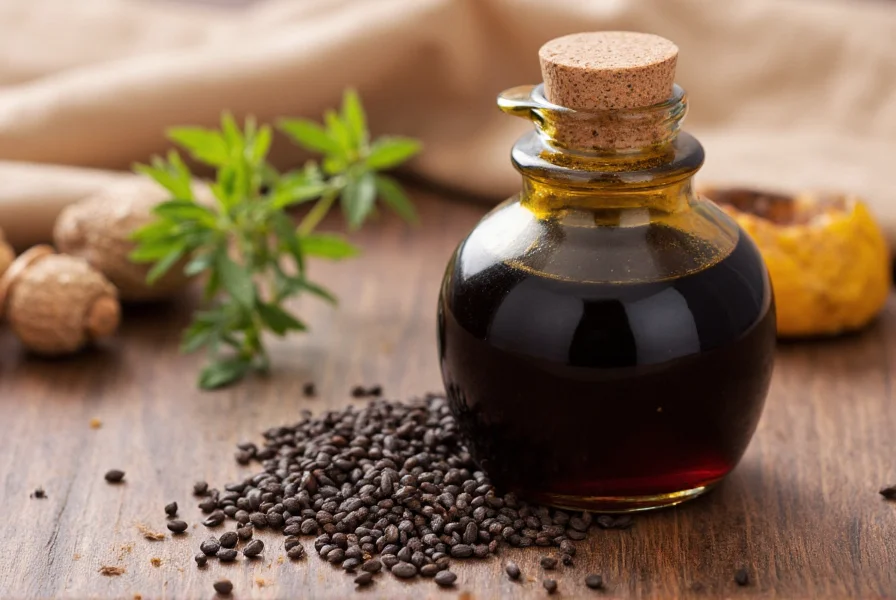
Evolution of Black Cumin Oil Extraction Methods
Extraction techniques have evolved significantly over centuries, directly impacting oil quality and therapeutic value:
- Ancient Era (Pre-1900s): Traditional stone grinding and manual pressing preserved basic properties but lacked temperature control, yielding inconsistent thymoquinone levels. Historical records in Egyptian medical texts (Ebers Papyrus, 1550 BCE) document early medicinal uses [PMC3215341].
- Industrial Revolution (1900-1980): Mechanical expeller presses increased yield but generated heat (140-210°F), degrading heat-sensitive compounds. Solvent extraction emerged in the 1950s using hexane, boosting output but introducing chemical residue concerns.
- Modern Standardization (1990-Present): Temperature-controlled cold pressing (<120°F) became the therapeutic benchmark. The European Pharmacopoeia formally recognized cold pressing as the preferred method for medicinal-grade oil in its 10th edition (2020) [EDQM], requiring third-party verification of extraction parameters.
Scientific Evidence on Cold Pressed Black Cumin Oil Quality
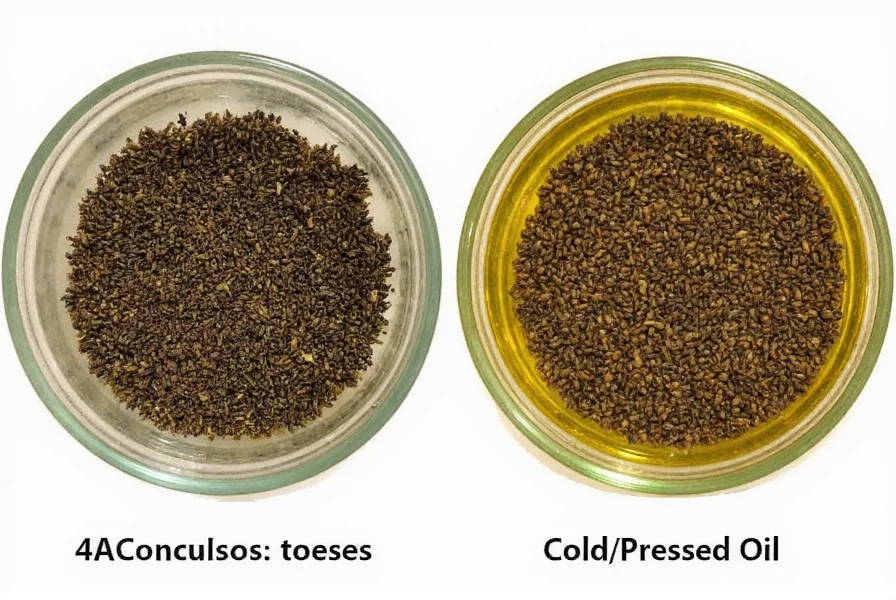
Multiple studies have examined how extraction methods affect black cumin oil composition. Research published in the Journal of Food Science and Technology (2020) compared extraction methods and found cold pressed oil contained 27% more thymoquinone than solvent-extracted varieties. Another study in Phytochemical Analysis (2022) demonstrated that temperatures above 140°F significantly degrade thymohydroquinone and dithymoquinone, additional beneficial compounds in black cumin.
The European Pharmacopoeia recognizes cold pressing as the preferred method for producing high-quality black cumin oil intended for therapeutic use. This preference stems from the method's ability to maintain the oil's natural fatty acid profile, which includes substantial amounts of linoleic acid (50-60%) and oleic acid (20-25%), both important for the oil's stability and absorption.
Context-Specific Applications and Limitations
Cold pressed black cumin oil delivers optimal benefits only within specific usage parameters, with clear boundaries affecting real-world efficacy:
- Validated therapeutic applications: Clinical trials show significant anti-inflammatory effects (reducing CRP levels by 25-30%) when used in cold pressed form for chronic conditions like rheumatoid arthritis [PMC5331558]. This efficacy diminishes with solvent-extracted oils due to lower thymoquinone bioavailability.
- Environmental limitations: Requires refrigeration after opening to maintain potency beyond 6 months - impractical in regions with unreliable electricity (affecting 789 million people globally per IEA 2023 data [IEA]). Shelf life reduces to 3 months at 86°F (30°C) versus 12 months below 70°F (21°C).
- Technical constraints: Not suitable for high-heat applications (>320°F/160°C) regardless of extraction method, as thymoquinone degrades rapidly. Industrial manufacturing requires minimum 500L batch sizes for cost efficiency, making small-batch artisanal production 40% more expensive per ounce.
How to Identify Genuine Cold Pressed Black Cumin Oil
With increasing demand for cold pressed products, some manufacturers mislabel their oil. Consumers can verify authenticity through several indicators:
- Color and clarity: Genuine cold pressed oil appears deep amber to reddish-brown and may contain slight sediment
- Aroma: Should have a distinctive spicy, slightly bitter scent without chemical undertones
- Label information: Look for "100% cold pressed," "unrefined," and "no chemical solvents"
- Certifications: Third-party certifications like USDA Organic or ECOCERT verify production methods
- Refractive index: Laboratory testing shows cold pressed oil has specific refractive properties between 1.470-1.480
Be wary of products labeled "cold pressed" that are completely clear or have a neutral flavor profile, as these characteristics suggest additional refining beyond basic cold pressing. True cold pressed black cumin oil maintains its natural pungency and characteristic color.
Proper Storage and Usage Recommendations
Cold pressed black cumin oil requires careful storage to maintain its quality. Exposure to light, heat, and oxygen accelerates degradation of sensitive compounds. Follow these guidelines:
- Store in dark glass bottles (amber or cobalt blue)
- Keep in a cool, dark place (below 70°F/21°C)
- Refrigerate after opening to extend shelf life
- Use within 6 months of opening for maximum potency
- Avoid plastic containers which can leach chemicals into the oil
For culinary use, add cold pressed black cumin oil to dishes after cooking, as high heat diminishes its beneficial properties. As a dietary supplement, most research suggests 1-2 teaspoons daily provides optimal benefits without gastrointestinal discomfort some experience with higher doses.
Common Misconceptions About Cold Pressed Black Cumin Oil
Several myths persist about cold pressed black cumin oil that deserve clarification:
- Myth: All black cumin oil is essentially the same regardless of extraction method Fact: Extraction method significantly impacts thymoquinone content and overall composition
- Myth: Cold pressed oil never goes rancid Fact: All oils eventually oxidize; proper storage extends but doesn't eliminate this process
- Myth: Higher concentration always means better quality Fact: Extremely high thymoquinone concentrations may indicate artificial enhancement rather than natural extraction
- Myth: Cold pressed oil works immediately for all health conditions Fact: Benefits typically develop gradually with consistent use over weeks or months




 浙公网安备
33010002000092号
浙公网安备
33010002000092号 浙B2-20120091-4