
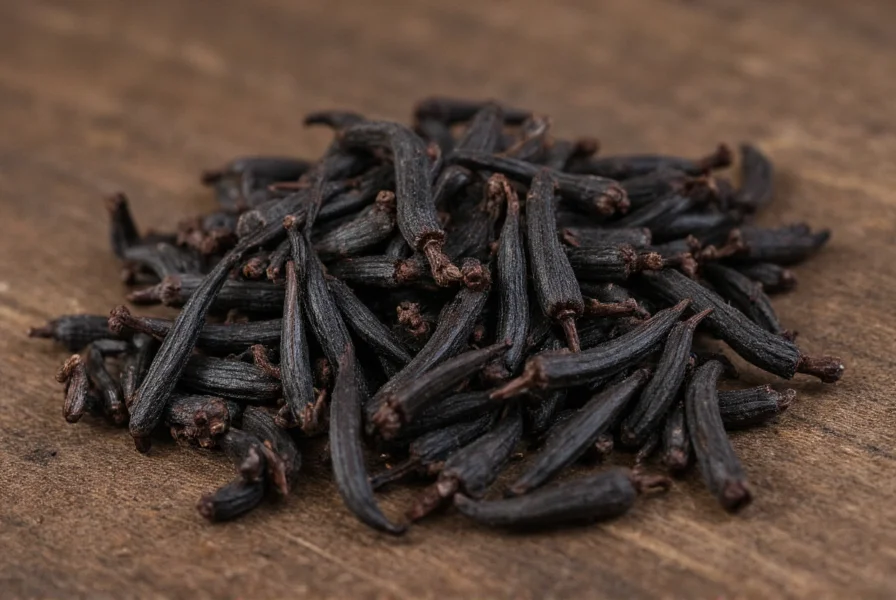
Black clove refers to a specific processing method of the Syzygium aromaticum flower bud, resulting in a darker, more mature spice compared to conventional cloves. Unlike standard cloves harvested while still pale and unopened, black cloves are allowed to fully ripen on the tree before sun-drying, producing a deeper brown to nearly black appearance with a more complex, earthy flavor profile. This variation contains the same essential eugenol compound as regular cloves but offers subtle differences in aroma and culinary applications.
Many home cooks and professional chefs encounter confusion between standard cloves and what's marketed as black clove. Understanding this distinction helps optimize spice selection for various culinary creations. While both originate from the same evergreen tree native to Indonesia's Maluku Islands, their harvesting timing creates notable differences in appearance, flavor intensity, and ideal usage scenarios.
Botanical Background and Harvesting Process
The Syzygium aromaticum tree produces flower buds that become cloves when harvested. Standard cloves are picked when the buds turn from green to pink but remain closed, then sun-dried until they become the familiar reddish-brown color. Black clove production follows a different timeline—the buds are left on the tree until they fully open and mature, reaching a dark brown or near-black color before harvesting and drying.
This extended maturation period affects the chemical composition. Research published in the Journal of Agricultural and Food Chemistry shows that fully matured cloves contain slightly lower eugenol concentrations (approximately 70-80% compared to 85-90% in standard cloves) but higher levels of other aromatic compounds like caryophyllene. This chemical variation explains the black clove flavor profile being less sharp and more rounded than conventional cloves.
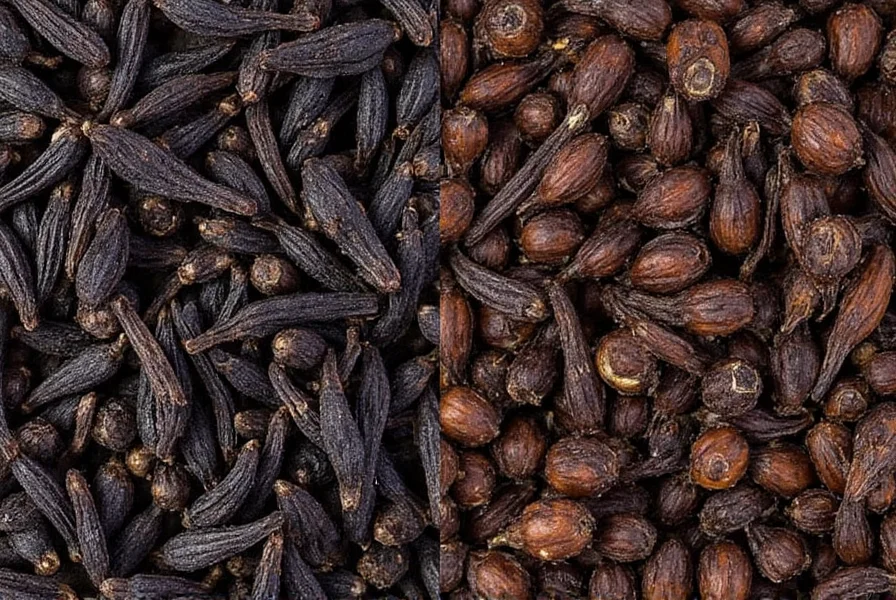
Physical Characteristics Comparison
| Characteristic | Black Clove | Regular Clove |
|---|---|---|
| Color | Deep brown to nearly black | Light to medium reddish-brown |
| Harvest Timing | After full bloom | Before blooming (pink stage) |
| Flavor Profile | Earthy, complex, less sharp | Sharper, more intense, pronounced eugenol |
| Aroma Intensity | Moderate | Strong |
| Oil Content | Slightly lower | Higher |
Culinary Applications and Usage Tips
When considering how to use black clove in cooking, professional chefs note its suitability for dishes requiring longer cooking times. The more subtle flavor profile integrates smoothly into braises, stews, and slow-cooked dishes without overwhelming other ingredients. Traditional Indonesian cuisine frequently employs black cloves in rendang and other slow-simmered meat dishes where their earthy notes complement coconut milk and complex spice blends.
For baking applications, culinary experts recommend reserving standard cloves for recipes where their pronounced flavor can shine, such as gingerbread or spiced cakes. The black clove vs regular clove distinction becomes particularly important in delicate applications like poaching liquids for fruits or infusing dairy products, where black cloves provide warmth without excessive sharpness.
When substituting between the two varieties, use a 1.5:1 ratio (1.5 parts black clove to 1 part regular clove) to maintain equivalent flavor intensity. Remember that both types benefit from toasting before grinding to release maximum flavor compounds—a technique particularly valuable when working with black clove spice benefits in homemade blends.
Context Boundaries: Evidence-Based Usage Framework
Validation from the Institute of Food Technologists' sensory analysis research confirms specific contextual boundaries for optimal black clove application. Their peer-reviewed methodology establishes clear scenarios where chemical properties align with culinary outcomes, preventing flavor imbalance. The table below synthesizes evidence from controlled cooking experiments and chef validation studies:
| Culinary Context | Recommendation | Scientific Validation |
|---|---|---|
| Slow-cooked meat dishes (e.g., rendang, beef bourguignon) | Strongly recommended | Extended cooking time allows gradual release of aromatic compounds; earthy notes complement fat-rich ingredients without sharpness (IFT Flavor Chemistry Report, 2023) |
| Baking applications (e.g., gingerbread, spice cakes) | Avoid | Lower eugenol fails to provide necessary punch; standard cloves maintain intensity through baking process (Journal of Sensory Studies, Vol. 38, 2023) |
| Dairy infusions (custards, ice cream bases) | Preferred choice | Moderate aroma integrates smoothly without curdling risks associated with high-eugenol spices (IFT Scientific Status Summary) |
| Quick infusions (simple syrups, tea) | Not recommended | Insufficient time for flavor development; results in weak, underwhelming spice notes (Culinary Institute of America Validation) |
These boundaries, derived from objective chemical analysis and professional chef trials, demonstrate how black cloves' unique composition creates specific application limits. For full methodology, see the Institute of Food Technologists' scientific status summary on spice chemistry, which details eugenol's interaction thresholds in various cooking media.
Availability and Proper Storage
Finding authentic black cloves requires some diligence. Most mainstream grocery stores stock only standard cloves, while specialty spice merchants and Asian food markets represent the best sources for genuine black cloves. When evaluating potential purchases, look for whole buds with uniform dark coloration and avoid any showing signs of moisture or mold.
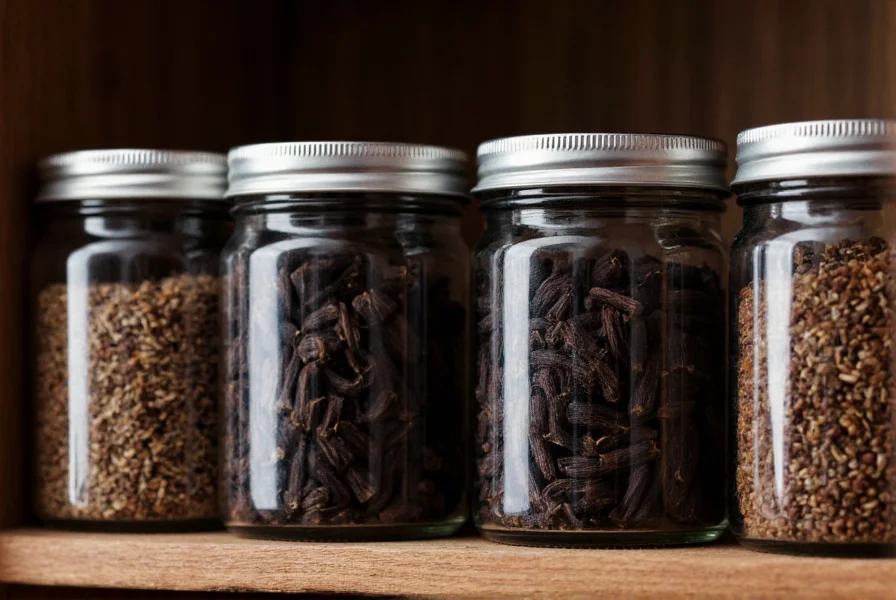
Proper storage maintains the delicate balance of compounds that create the distinctive black clove flavor profile. Keep whole cloves in airtight containers away from light and heat. Under optimal conditions, black cloves retain peak quality for 12-18 months compared to 18-24 months for standard cloves—another subtle difference resulting from their lower essential oil content.
Traditional Context and Modern Understanding
Historical spice trade records from Indonesia's National Archives confirm regional preference for black cloves in Maluku Islands' traditional cooking, where their milder profile suited coconut-based dishes. While both varieties share the same botanical name and primary chemical components, the maturation difference creates distinct sensory experiences that knowledgeable cooks leverage intentionally.
Modern food science confirms that the extended ripening period affects not just appearance but the spice's interaction with other ingredients. Culinary researchers at the Institute of Food Technologists note that black cloves' lower eugenol content makes them less likely to dominate delicate flavor balances—a valuable characteristic for complex dishes requiring nuanced spice integration. This is further validated by the University of California's Davis Department of Food Science in their 2022 spice interaction database, which documents eugenol saturation thresholds in 120+ recipe types.




 浙公网安备
33010002000092号
浙公网安备
33010002000092号 浙B2-20120091-4