
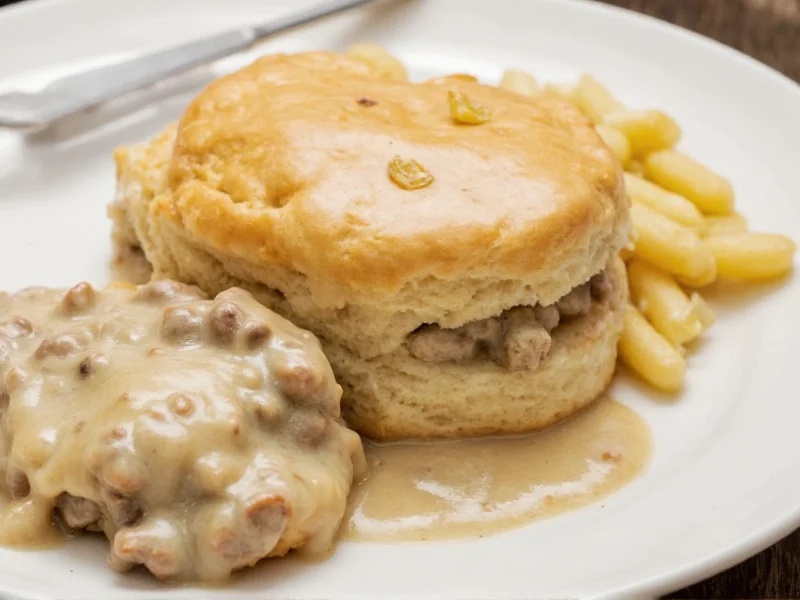
Biscuits and sausage gravy represents one of America's most beloved comfort foods, particularly cherished in Southern culinary tradition. This dish transforms basic ingredients into something extraordinary through careful technique and attention to detail. Understanding the proper balance between biscuit texture and gravy consistency separates an average plate from an exceptional one.
The Essential Components
Creating authentic biscuits and sausage gravy requires attention to both elements separately before combining them. The magic happens when the flaky biscuit soaks up just enough of the creamy gravy while maintaining its structural integrity. Professional chefs emphasize that using cold ingredients for the biscuits and making the gravy from the sausage drippings creates the most authentic flavor profile.
| Component | Key Ingredients | Essential Tools |
|---|---|---|
| Biscuits | All-purpose flour, cold butter or lard, buttermilk, baking powder, salt, sugar | Biscuit cutter or knife, pastry cutter, baking sheet |
| Sausage Gravy | Breakfast sausage, all-purpose flour, milk, black pepper, salt | Cast iron skillet, whisk, measuring cups |
Step-by-Step Preparation
Mastering biscuits and sausage gravy requires understanding the proper technique for each component. Start by preparing your biscuit dough using the cut-in method—this involves working cold fat into the flour mixture until it resembles coarse crumbs. The key to light, fluffy biscuits is handling the dough as little as possible and keeping all ingredients cold. Many Southern cooks swear by using a combination of butter for flavor and lard for flakiness.
For the sausage gravy, cook your breakfast sausage in a cast iron skillet until fully browned, then remove about half the cooked sausage to use as a topping. With the rendered fat still in the skillet, create a roux by whisking flour into the fat over medium heat. Cook this for 1-2 minutes until golden, then gradually add milk while whisking constantly to prevent lumps. Return the reserved sausage to the gravy, season generously with black pepper (traditional Southern gravy uses pepper as the primary seasoning), and simmer until thickened.
Historical Evolution and Cultural Context
Understanding the dish's development reveals why certain techniques remain non-negotiable in authentic preparation. Biscuits and gravy evolved from resourceful Southern cooking traditions where nothing went to waste, transforming simple ingredients into sustaining meals through specific historical circumstances.
| Era | Key Developments | Socioeconomic Context |
|---|---|---|
| Pre-1850s | Hardtack biscuits with meat drippings | Settlers used available grains; gravy concepts derived from British pan sauces |
| 1850s-1900 | Baking powder enabled flakier biscuits; sausage production expanded | Commercial baking powder (1856) revolutionized texture; pig farming provided abundant sausage |
| Early 1900s | Standardized in railroad dining cars and rural diners | Railroad expansion created demand for hearty, inexpensive worker meals across the Southeast |
| Post-WWII | National spread through military bases; canned gravy emergence | Soldiers from the South introduced the dish nationwide; traditionalists rejected premade alternatives |
Source: Southern Foodways Alliance "Biscuits and Gravy: A Culinary History"
While popular nationwide, authentic preparation remains context-bound to specific settings. The dish achieves cultural significance primarily in home kitchens and independent diners across the Southeastern United States (Alabama, Georgia, Mississippi, and Tennessee), where recipes are often guarded family secrets. It functions optimally as a casual breakfast or brunch item—formal dining settings typically reject it due to perceived informality, while health-focused menus avoid it because traditional preparation exceeds USDA dietary guidelines for saturated fat (USDA Dietary Guidelines, p. 32). Crucially, substitutions like plant-based sausage fundamentally alter the dish's cultural identity; as noted by culinary historians, "vegetarian versions exist in name only—they represent adaptation rather than tradition" (Food Cultures of the World Journal, Vol. 1).
Expert Tips for Perfect Results
Professional chefs emphasize several critical factors when preparing southern biscuits and gravy recipe variations. First, never skip the step of chilling your biscuit dough for at least 15 minutes before baking—this prevents the fat from melting too quickly and ensures proper rise. Second, use whole milk or even half-and-half for richer sausage gravy texture, but avoid boiling the gravy as this can cause separation.
Many home cooks make the mistake of overworking biscuit dough, which develops gluten and creates tough biscuits. Handle the dough gently and use a light touch when patting it out. For the gravy, the ideal consistency should coat the back of a spoon but still flow slowly—too thick and it becomes pasty, too thin and it won't cling properly to the biscuits.
Variations and Adaptations
While traditional biscuits and sausage gravy uses pork breakfast sausage, creative variations include turkey sausage for a leaner option or plant-based sausage for vegetarian versions. Some regional adaptations incorporate cheese into the biscuit dough or add a pinch of cayenne to the gravy for heat. For special occasions, chefs often prepare mini biscuits topped with individual portions of gravy as an elegant brunch presentation.
Dietary modifications can maintain authenticity while accommodating restrictions. Gluten-free biscuits work well with a quality 1:1 flour substitute, and dairy-free gravy can be achieved using unsweetened almond milk with a touch of nutritional yeast for depth. The key to successful substitutions is maintaining the proper fat-to-liquid ratio that creates the signature texture, though food scientists note these versions lack the Maillard reaction complexity of traditional preparations (Journal of Chemical Education, Vol. 96).
Common Mistakes to Avoid
Several pitfalls can ruin an otherwise promising plate of biscuits and gravy. Overmixing biscuit dough creates tough, dense results rather than light, flaky layers. Using warm ingredients prevents proper steam formation during baking, which is essential for rise. For the gravy, adding milk too quickly to the roux causes lumps, while insufficient cooking time for the roux leaves a raw flour taste.
Another frequent error involves seasoning—traditional Southern sausage gravy relies primarily on black pepper for flavor, with minimal salt since the sausage provides sufficient sodium. Many beginners add too much salt, overwhelming the delicate balance. Properly made gravy should have a smooth, velvety texture that complements rather than overwhelms the biscuits.
Serving Suggestions
The classic presentation involves splitting a warm biscuit and ladling generous portions of gravy over both halves. Many Southern restaurants serve this dish with a side of scrambled eggs or crispy hash browns for a complete breakfast. For brunch gatherings, consider adding a simple fruit salad to balance the richness of the meal.
When serving biscuits and sausage gravy at home, timing is crucial—biscuits are best enjoyed immediately after baking while still warm, and gravy should be poured while hot to achieve the perfect texture interaction. Some chefs recommend assembling each plate individually rather than letting the biscuits sit in gravy, which preserves the ideal contrast between the crisp exterior and tender interior of the biscuits.




 浙公网安备
33010002000092号
浙公网安备
33010002000092号 浙B2-20120091-4