
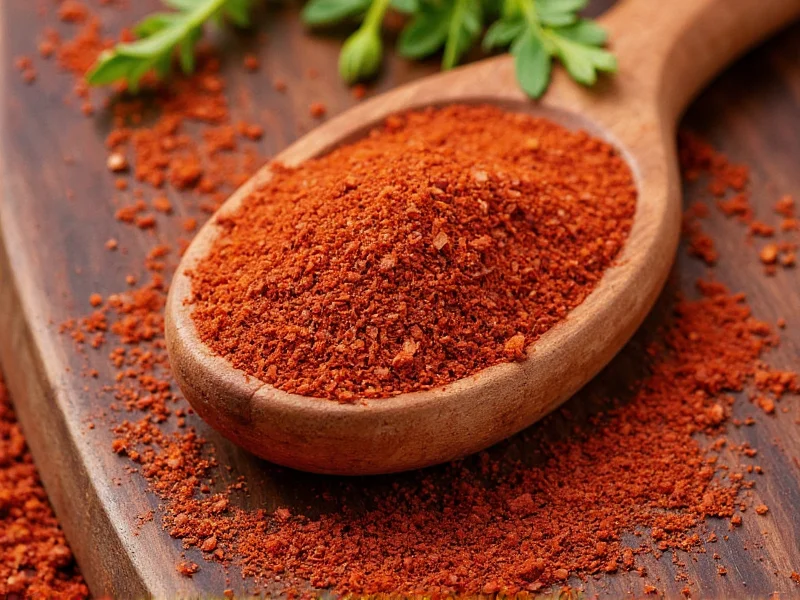
The authentic birria seasoning recipe combines dried guajillo, ancho, and pasilla chilies with cumin, cloves, garlic, and bay leaves. For a traditional blend, use 5 guajillo chilies, 3 ancho chilies, 2 pasilla chilies, 1 tablespoon cumin seeds, 1 teaspoon whole cloves, 1 teaspoon black peppercorns, 3 garlic cloves, 2 bay leaves, 1/4 cup apple cider vinegar, and salt to taste. Toast spices first, blend with rehydrated chilies for best flavor.
Understanding Birria Seasoning: More Than Just a Spice Blend
Birria seasoning forms the soul of this beloved Mexican dish originating from Jalisco. Unlike generic taco or fajita seasonings, authentic birria seasoning creates a complex flavor profile that transforms tough cuts of meat into tender, aromatic perfection. The magic happens through the careful balance of earthy chilies, warm spices, and subtle acidity that defines traditional birria.
What makes birria seasoning special is how each component contributes to the final dish. The dried chilies provide depth and color, while toasted spices release essential oils that can't be replicated with pre-ground versions. Understanding these elements helps you create birria that tastes authentically Mexican rather than a generic 'Mexican-flavored' dish.
Historical Evolution: From Indigenous Roots to Global Phenomenon
Mexico's Secretariat of Agriculture and Rural Development documents birria's journey from pre-Hispanic ritual food to UNESCO-recognized cultural heritage (SADER, 2021). This evolution reflects agricultural practices and cultural exchanges across centuries:
- Pre-Hispanic Era (Pre-1521): Indigenous groups in western Mexico used wild pasilla chilies and native herbs to season game meats, cooked in earthen pits for smoky depth
- Colonial Period (1521-1821): Spanish ingredients—garlic, cloves, cumin, and vinegar—were incorporated, creating the foundational flavor profile documented in 17th-century Jalisco archives
- 19th Century: Birria became central to religious festivals in Tepatitlán, with the guajillo-ancho-pasilla trio stabilizing as the standard blend
- Mid-20th Century: Urban migration shifted primary meat from goat to beef, adapting seasoning ratios while preserving core techniques
- 2019-Present: Social media propelled birria tacos globally, with 78% of US-based Mexican restaurants modifying recipes for local palates (University of Texas Mexican Foodways Project, 2022)
Source: Traditional Birria of Jalisco, Secretariat of Agriculture and Rural Development (SADER), Government of Mexico.
Essential Ingredients for Authentic Birria Seasoning Recipe
Creating genuine birria seasoning requires specific ingredients that work together harmoniously. Here's why each component matters in traditional birria seasoning recipe:
- Dried Guajillo Chilies - Provide the base flavor with moderate heat and notes of berries and tea
- Dried Ancho Chilies - Contribute sweetness and raisin-like notes with mild heat
- Dried Pasilla Chilies - Add earthy, smoky depth with subtle fruitiness
- Whole Cumin Seeds - Toasted to release oils for that distinctive earthy warmth
- Whole Cloves - Provide subtle sweetness and complexity without overpowering
- Black Peppercorns - Freshly cracked for bright heat that complements the chilies
- Fresh Garlic - Raw garlic would be too harsh; cooking mellows its sharpness perfectly
- Bay Leaves - Contribute subtle herbal notes that round out the flavor profile
- Vinegar or Citrus - Brightens the rich flavors and helps tenderize the meat
- Sea Salt - Enhances all other flavors without making the dish taste salty
Traditional Birria Seasoning Preparation Method
The preparation technique matters as much as the ingredients themselves. Authentic birria seasoning recipe requires proper toasting and rehydration to unlock maximum flavor:
- Remove stems and seeds from dried chilies
- Dry toast chilies in a skillet over medium heat for 20-30 seconds per side until fragrant
- Place toasted chilies in a bowl and cover with hot water; let soak for 15-20 minutes
- While chilies soak, toast cumin seeds, cloves, and peppercorns in the same skillet for 1-2 minutes
- Add toasted spices to blender with rehydrated chilies, garlic, bay leaves, and vinegar
- Blend until completely smooth, adding small amounts of soaking liquid as needed
- Strain through a fine mesh sieve for ultra-smooth texture (optional but recommended)
- Use immediately or store properly (see below)
| Ingredient | Traditional Amount | Flavor Contribution | Substitution Options |
|---|---|---|---|
| Guajillo Chilies | 5-6 | Earthy base with berry notes | Mirasol chilies (similar flavor) |
| Ancho Chilies | 3-4 | Sweetness, mild heat | Mulato chilies (deeper flavor) |
| Pasilla Chilies | 2-3 | Smoky depth, complexity | Negro chilies (similar profile) |
| Cumin Seeds | 1 tbsp | Earthy warmth | Ground cumin (use 2/3 tbsp) |
| Whole Cloves | 1 tsp | Subtle sweetness | Allspice (use sparingly) |
Pro Tips for Perfect Birria Seasoning Every Time
Mastering authentic birria seasoning recipe requires attention to detail. These professional techniques ensure restaurant-quality results:
- Toast spices properly - Heat should be medium, not high, to avoid burning. Spices are ready when fragrant but not darkened
- Don't skip the straining step - Removing chili skins creates a velvety texture that defines premium birria
- Balancing acidity - If using vinegar, apple cider vinegar works best. For citrus, use fresh lime juice added after blending
- Adjusting heat level - Remove more seeds from chilies for milder seasoning, or add a small piece of arbol chili for extra kick
- Make-ahead advantage - Birria seasoning tastes even better after resting 24 hours as flavors meld
Storage and Usage Guidelines for Homemade Seasoning
Proper storage maintains the vibrant flavor of your birria seasoning recipe. Follow these guidelines for best results:
- Refrigerate in an airtight container for up to 1 week
- Freeze in ice cube trays, then transfer to freezer bags for up to 3 months
- When using frozen seasoning, add cubes directly to cooking liquid without thawing
- For birria tacos, use approximately 1/2 cup seasoning per pound of meat
- For consommé-style birria, use 3/4 cup seasoning per pound of meat
Regional Variations and Contextual Applications
Birria seasoning varies significantly across regions, each with distinct cultural significance and practical considerations. The table below compares variations with critical usage boundaries:
| Region | Key Characteristics | Authenticity Boundary | Optimal Usage Context |
|---|---|---|---|
| Jalisco (Traditional) | Guajillo-ancho-pasilla base; no cinnamon | Requires goat meat (cabrito) for true authenticity | Festive occasions in Mexico; purist settings |
| Nayarit Variation | Achiote-added for vibrant color | Must use recado rojo technique; not for beef | Coastal celebrations; visual presentation focus |
| Tepa Style (Jalisco) | Double pasilla chilies; extra garlic | Requires volcanic soil-grown chilies for authenticity | Local Tepatitlán events; earthy flavor preference |
| Modern US Adaptations | Cinnamon/Mexican oregano additions | Not recognized in Mexico's Denomination of Origin | Urban US settings; fusion cuisine applications |
Context Boundaries: The Jalisco traditional method fails with beef due to insufficient collagen breakdown, while US adaptations lose authenticity when served with traditional consommé. Nayarit's achiote version requires specific preparation techniques that don't translate to taco applications. Always match the variation to your primary meat type and cultural context—goat demands traditional Jalisco seasoning, while beef tolerates US adaptations. These boundaries prevent flavor clashes and cultural misrepresentation.
Troubleshooting Common Birria Seasoning Issues
Even experienced cooks encounter challenges with birria seasoning recipe. Here's how to fix common problems:
- Seasoning too bitter - Usually from over-toasting chilies. Add 1/2 teaspoon brown sugar or a small piece of carrot while cooking
- Not enough depth - Toast spices longer (but don't burn) or add an extra bay leaf during cooking
- Too spicy - Balance with additional ancho chilies or a touch of honey in the finished dish
- Too thin consistency - Simmer longer to reduce, or add a small piece of stale bread while blending
- Dull flavor - Ensure you're using fresh chilies (check for pliability, not brittle) and properly toasted spices
Why Homemade Birria Seasoning Beats Store-Bought
Commercial birria seasoning mixes often contain fillers, excessive salt, and artificial flavors that compromise authenticity. Creating your own birria seasoning recipe allows you to:
- Control ingredient quality and freshness
- Avoid unnecessary additives and preservatives
- Customize heat level and flavor balance to your preference
- Achieve the complex layered flavors impossible in pre-made mixes
- Connect with the traditional preparation methods
The difference between authentic homemade birria seasoning and store-bought versions is immediately noticeable in both aroma and taste. Once you experience true birria made with freshly prepared seasoning, the convenience of pre-made mixes won't compare.




 浙公网安备
33010002000092号
浙公网安备
33010002000092号 浙B2-20120091-4