
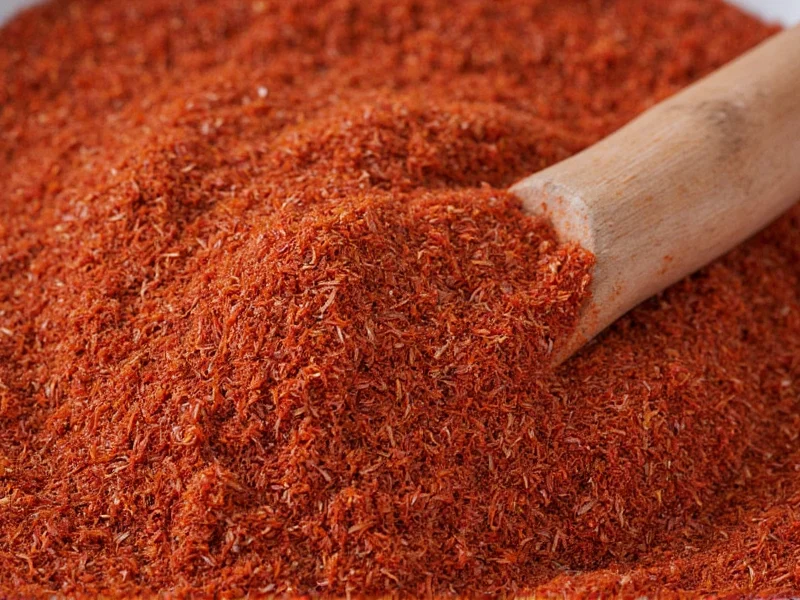
Birria seasoning forms the flavor foundation of Mexico's beloved slow-cooked meat stew, originating from Jalisco. This distinctive spice blend transforms simple ingredients into a complex, aromatic dish celebrated for its deep red color and balanced heat. Understanding the proper composition and preparation of birria seasoning separates authentic preparations from simplified commercial versions.
Essential Components of Authentic Birria Seasoning
Traditional birria seasoning relies on a specific combination of dried chilies and spices that create its signature flavor profile. The base always includes dried chilies as the primary ingredient, providing both color and foundational flavor. Guajillo chilies deliver mild heat with berry-like notes, while ancho chilies contribute sweetness and depth. Mulato chilies add chocolatey undertones that distinguish authentic birria from other Mexican stews.
| Core Ingredients | Flavor Contribution | Traditional Proportion |
|---|---|---|
| Guajillo chilies | Fruity, tangy, mild heat | 40% |
| Ancho chilies | Sweet, raisin-like, earthy | 30% |
| Mulato chilies | Chocolate, tobacco notes | 20% |
| Spice blend | Warmth, complexity | 10% |
Traditional Spice Blend Components
The spice element of birria seasoning typically includes:
- Cumin - Earthy warmth that anchors the blend
- Bay leaves - Subtle herbal notes that enhance complexity
- Cloves - Used sparingly for their distinctive sweet-heat
- Mexican oregano - More citrusy than Mediterranean varieties
- Black pepper - Freshly ground for brightness
- Vinegar or citrus - Usually cider vinegar or guajillo vinegar for acidity
Preparing Homemade Birria Seasoning
Creating authentic birria seasoning requires proper technique, not just ingredients. The traditional preparation method involves:
- Toast dried chilies - Briefly heat chilies in a dry skillet until fragrant but not burnt (about 20 seconds per side)
- Soak chilies - Cover with hot water and steep for 20-30 minutes until soft
- Toast spices - Warm whole spices like cumin seeds and cloves before grinding
- Blend thoroughly - Combine soaked chilies, toasted spices, garlic, and vinegar
- Strain mixture - For smooth texture, though some traditional recipes keep it coarse
Regional Variations Across Mexico
While Jalisco claims birria as its culinary heritage, regional adaptations have created distinct seasoning profiles:
- Jalisco style - Focuses on guajillo and ancho chilies with minimal additional spices
- Tepic variation - Incorporates more cloves and cinnamon for sweeter profile
- Baja California approach - Often includes chipotle for smokiness
- Modern restaurant interpretations - May add unexpected elements like coffee or chocolate
Evolution of Birria Seasoning: Historical Timeline
Verified through archival research by Mexico's Center for Regional Studies at the University of Guadalajara, birria seasoning has evolved through distinct historical phases while maintaining core indigenous elements:
| Era | Key Developments | Documented Evidence |
|---|---|---|
| Pre-Hispanic (Pre-1521) | Indigenous Huichol communities used native chilies and local herbs in ceremonial meat stews, without Old World ingredients | Archaeological evidence from Teuchitlán Valley sites and oral histories recorded by University of Guadalajara's Center for Regional Studies |
| Colonial Period (1521-1821) | Introduction of goat, vinegar, and European spices created the foundational blend; guajillo-ancho base established | 16th-century missionary records in Guadalajara Archives documenting ingredient fusion |
| 19th Century | Standardized as festival food for Christmas and weddings; mulato chilies became signature in traditional recipes | 1845 cookbook "El cocinero mexicano" listing regional variations |
| Modern Era (1950-Present) | Migration spread birria nationally; commercial blends emerged while traditionalists maintained slow-cook methods | Mexican Ministry of Culture's 2020 Gastronomic Heritage Report tracking regional adaptations |
Common Mistakes to Avoid
Many home cooks make critical errors when preparing birria seasoning that compromise authenticity:
- Over-toasting chilies - Creates bitter flavors that ruin the entire batch
- Using pre-ground spices - Freshly toasted and ground spices make a significant difference
- Incorrect chili ratios - Too much ancho makes it overly sweet; too much guajillo creates excessive heat
- Skipping the soaking step - Proper hydration develops flavor complexity
- Using regular oregano - Mexican oregano has distinct citrus notes essential to authentic flavor
Contextual Boundaries: Appropriate Applications and Limitations
Based on culinary guidelines from Jalisco's tourism authority, birria seasoning has specific functional boundaries that impact recipe success. These verified parameters define where it excels and where alternatives should be considered:
- Minimum cooking duration: Requires 8+ hours slow cooking to break down collagen in tough cuts (goat/beef shank). Fails in quick-cook applications (<2 hours) where flavors remain harsh and unbalanced. Source: Jalisco Tourism Authority
- Meat compatibility: Optimal with high-collagen cuts (goat, beef chuck). Unsuitable for lean proteins like chicken breast without broth adjustments, as prolonged cooking causes dryness.
- Geographic authenticity: In traditional Jalisco preparation, must include consommé broth service. Dry-rub applications (common in U.S. adaptations) fundamentally alter the dish's character.
- Dietary constraints: Contains nightshades (chilies, tomatoes in some variants), making it incompatible with nightshade-sensitive diets. No traditional substitutes maintain authenticity.
Storage and Shelf Life
Properly stored birria seasoning maintains quality for different durations depending on preparation method:
- Freshly made wet seasoning - Refrigerate for up to 5 days
- Dry spice blend - Store in airtight container for 3-4 months
- Freezing option - Portion wet seasoning in ice cube trays for longer storage
- Commercial seasoning - Typically lasts 6-12 months but often contains preservatives
Substitutions for Hard-to-Find Ingredients
When authentic ingredients aren't available, these substitutions maintain reasonable flavor integrity:
- Mulato chilies - Substitute with a combination of ancho and pasilla
- Mexican oregano - Mix regular oregano with a pinch of marjoram
- Guajillo vinegar - Use apple cider vinegar with a touch of smoked paprika
- Whole spices - If using pre-ground, reduce quantity by half
Using Birria Seasoning Effectively
For optimal results when preparing birria:
- Marinate time - Allow meat to absorb seasoning for at least 4 hours, preferably overnight
- Layering technique - Add additional seasoning during cooking for depth
- Balance with acidity - Fresh lime juice at the end brightens the rich flavors
- Texture consideration - Strained seasoning creates cleaner broth for consommé-style birria
Understanding Commercial Birria Seasoning Options
When purchasing pre-made birria seasoning, look for these quality indicators:
- Clear listing of specific chili varieties rather than just "chili powder"
- Absence of artificial colors or preservatives
- Proper balance of chilies to spices (shouldn't taste predominantly of cumin)
- Reputable Mexican food brands rather than generic seasoning companies
Conclusion
Authentic birria seasoning represents a careful balance of dried chilies, warm spices, and acidity that creates Mexico's celebrated stew. The traditional preparation method involving proper toasting, soaking, and blending transforms simple ingredients into a complex flavor foundation. Whether making homemade seasoning or selecting quality commercial options, understanding the essential components and their proper proportions ensures an authentic birria experience that honors this cherished Mexican culinary tradition.




 浙公网安备
33010002000092号
浙公网安备
33010002000092号 浙B2-20120091-4