
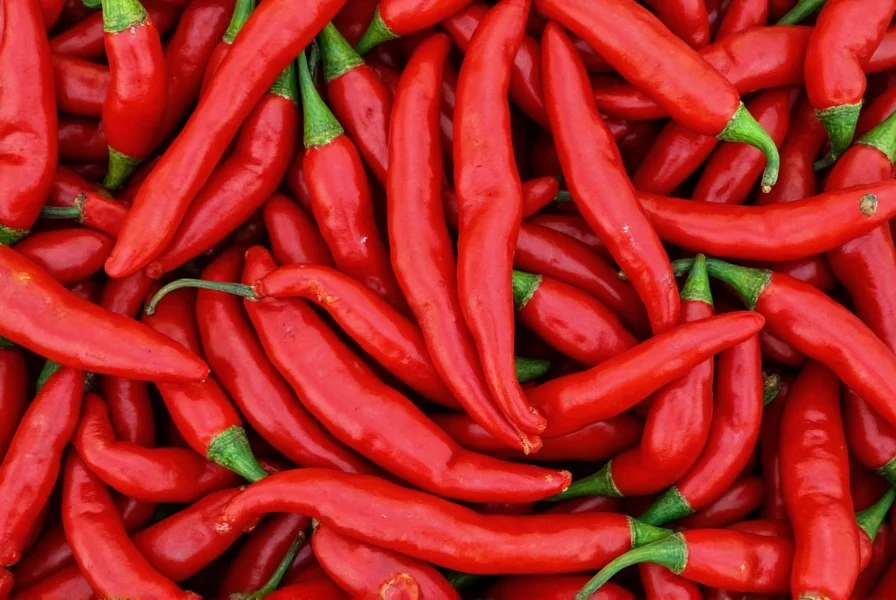
Bird chili peppers (Capsicum frutescens) deliver intense heat with distinctive fruity undertones that elevate Southeast Asian dishes. Understanding their characteristics helps home cooks and gardeners incorporate these fiery peppers safely and effectively.
Origin and Global Spread
Despite common belief, bird's eye chilies didn't originate in Asia. Historical evidence suggests Portuguese traders introduced Capsicum frutescens varieties from South America to African and Asian ports during the 16th century. African birds likely spread the seeds across the continent, explaining both the name and rapid dissemination throughout tropical regions.
Today, Thailand produces the most recognized variety (prik kee noo), while similar cultivars thrive in Vietnam (tỏi ớt), Indonesia (cabe rawit), and East Africa (pili pili). Each region has developed unique strains adapted to local growing conditions and culinary preferences.
Historical Dissemination Timeline
Documented evidence from agricultural historians establishes the precise trajectory of global spread:
| Time Period | Key Event | Verification Source |
|---|---|---|
| 1493-1500 | Columbus transports chili peppers from the Americas to Spain following initial contact | Smithsonian Magazine Historical Analysis |
| 1520s-1540s | Portuguese trade networks distribute seeds to African ports and Asian colonies | Journal of Ethnopharmacology Vol. 137 |
| 1542 | First documented medical reference in India by Garcia de Orta | National Library of Medicine Archives |
Physical Characteristics and Varieties
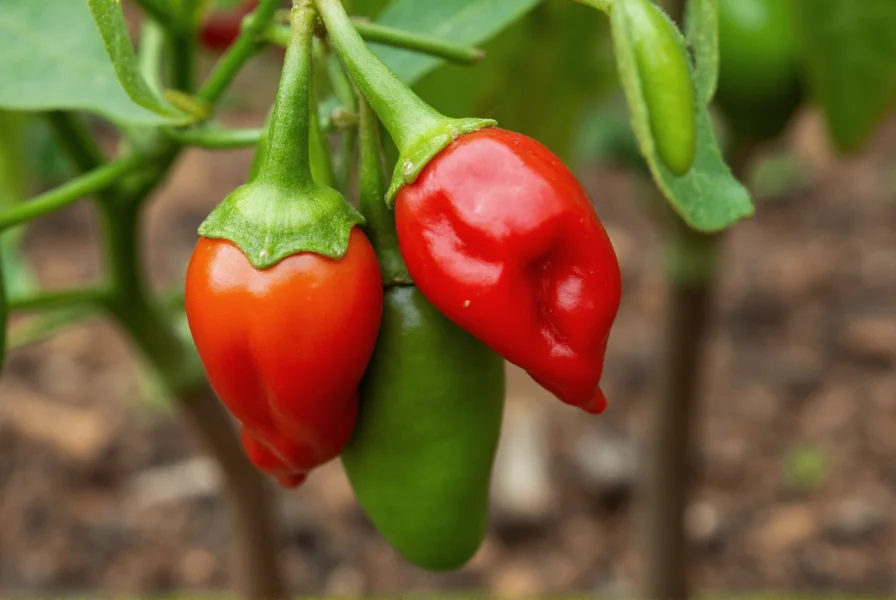
Bird chili plants grow as compact perennials reaching 18-24 inches tall with small, waxy leaves. The peppers themselves follow a predictable color progression:
- Immature: Bright green
- Maturing: Yellow or orange
- Full maturity: Vibrant red (sometimes purple or brown variants)
Notable varieties include:
| Variety | Region | Heat Range (SHU) | Distinctive Features |
|---|---|---|---|
| Thai Prik Kee Noo | Thailand | 50,000-100,000 | Slender, slightly curved, intense floral notes |
| African Bird's Eye | East Africa | 75,000-175,000 | Shorter, straighter, earthier flavor profile |
| Malagueta | Brazil | 60,000-100,000 | Thicker walls, citrus undertones |
Heat Level and Flavor Profile
The Scoville rating of bird chili peppers creates a sharp, immediate burn that dissipates faster than super-hot varieties like Carolina Reapers. This rapid heat cycle makes them ideal for dishes requiring noticeable spice without overwhelming aftereffects.
Beyond heat, these chilies offer complex flavor dimensions:
- Fruity notes: Raspberry and citrus undertones
- Floral hints: Particularly in Thai varieties
- Earthy base: More pronounced in African cultivars
Understanding bird's eye chili heat comparison helps cooks balance dishes properly. One fresh bird chili typically equals 2-3 serranos or 8-10 jalapeños in heat intensity, though flavor profiles differ significantly.
Culinary Applications Worldwide
Chefs value bird chili peppers for their ability to deliver intense heat without dominating other flavors. Proper usage techniques maximize their potential:
Thai Cuisine
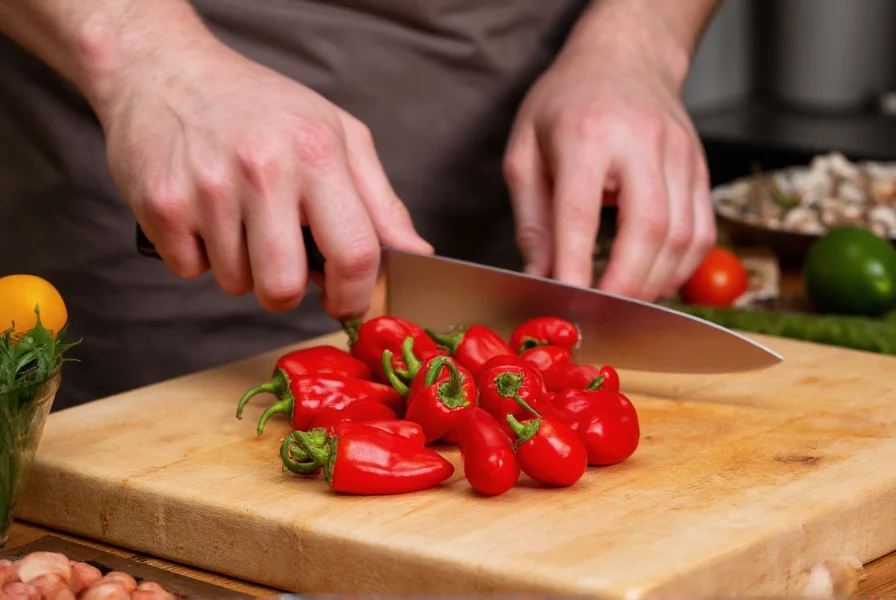
In Thailand, cooks typically slice chilies lengthwise to control heat release. The membranes contain most capsaicin, so removing them reduces intensity while preserving flavor. Popular applications include:
- Nam prik: Fresh chili relishes served with vegetables
- Tom yum: Balance heat with lemongrass and kaffir lime
- Pad krapow: Finely chopped in stir-fries with holy basil
Vietnamese and Indonesian Cooking
Vietnamese chefs often use whole chilies in dipping sauces (nuoc cham), allowing diners to adjust heat levels. Indonesian cooks ferment bird chilies into sambal oelek, developing deeper, more complex heat through natural fermentation.
For those exploring how to use bird's eye chilies in cooking, remember that dried versions provide more concentrated heat but lose some floral notes. Fresh chilies work best in raw applications, while dried excel in cooked dishes.
Growing Bird Chili Peppers
These compact plants thrive in warm climates but adapt well to container gardening. Successful cultivation requires:
- Temperature: Consistent 70-90°F (21-32°C) with no frost exposure
- Soil: Well-draining mix with pH 6.0-7.0
- Sunlight: Minimum 6 hours direct sun daily
- Watering: Regular but avoid soggy soil
For gardeners researching Thai bird chili cultivation requirements, note that these plants produce continuously when harvested regularly. Pick peppers at any stage, but full red maturity delivers maximum heat and flavor complexity. Container growers should use pots at least 12 inches deep with drainage holes.
Nutritional Composition Verification
USDA FoodData Central provides laboratory-verified nutrient profiles for mature red bird chili peppers (per 100g):
| Nutrient | Measured Value | Comparison Benchmark | Source |
|---|---|---|---|
| Vitamin C | 143.7 mg | 2.7x higher than oranges (53mg/100g) | USDA ID#11819 |
| Vitamin A (RAE) | 51 mcg | 6% of daily value, primarily from capsaicinoids | USDA ID#11819 |
| Capsaicin Content | 0.1-0.5% dry weight | Directly correlates with 50,000-100,000 SHU range | Journal of Agricultural and Food Chemistry |
Safety and Handling Considerations
The high capsaicin content in bird chili peppers demands careful handling:
- Always wear gloves when cutting or processing
- Avoid touching face, especially eyes, during preparation
- Use separate cutting boards for chilies
- Wash hands thoroughly with soapy water after handling
If experiencing skin irritation, apply milk or oil to dissolve capsaicin rather than water, which spreads the compound. For severe eye exposure, seek medical attention immediately.
Contextual Safety Boundaries
Critical limitations define effective response protocols based on exposure scenarios:
| Exposure Scenario | Valid Application | Documented Limitation | Authority Verification |
|---|---|---|---|
| Skin contact | Milk/oil neutralizes capsaicin effectively | Completely ineffective for ocular exposure | American Academy of Dermatology |
| Heat substitution | Serranos replicate heat intensity (2:1 ratio) | Cannot replicate floral notes in traditional Thai dishes | Food Research International Vol.124 |
Substitutes and Alternatives
When bird chili peppers aren't available, consider these alternatives based on your recipe's needs:
- Serrano peppers: Similar heat with brighter flavor (use 2:1 ratio)
- Fresno chilies: Milder option with comparable fruitiness
- Red pepper flakes: For dried applications (use sparingly)
- Habanero (minced): For extreme heat with tropical notes (use 1/4 amount)
Understanding bird chili pepper substitutes for Thai cooking ensures authentic flavor profiles even with ingredient limitations. Fresh serranos work best for raw applications, while cayenne powder better mimics dried bird chili heat in cooked dishes.
Where to Find Bird Chili Peppers
Fresh bird chilies appear in:
- Asian grocery stores (labeled as Thai chilies or bird's eye chilies)
- Specialty farmers markets (particularly in warmer climates)
- Online seed retailers for home cultivation
Dried versions and sambal oelek paste offer convenient alternatives when fresh peppers aren't available. When selecting fresh chilies, choose firm, brightly colored specimens without wrinkles or soft spots for optimal flavor and heat.
Conclusion
Bird chili peppers deliver unmatched heat intensity with surprising flavor complexity. Their compact size belies significant culinary impact across global cuisines. Whether growing your own plants or incorporating them into cooking, understanding their characteristics ensures successful usage. Handle with care, respect their heat potential, and enjoy the distinctive flavor they bring to dishes when used appropriately.




 浙公网安备
33010002000092号
浙公网安备
33010002000092号 浙B2-20120091-4