

Bird chili peppers (Capsicum frutescens) pack a serious punch while delivering complex flavor notes that elevate Southeast Asian dishes. Unlike larger chili varieties, these petite powerhouses contain concentrated capsaicin throughout their thin walls and seeds, making them significantly hotter than jalapeños (2,500-8,000 SHU) but milder than ghost peppers (855,000-1,041,427 SHU). Understanding their proper handling and culinary applications prevents overwhelming heat while maximizing their aromatic contribution to dishes.
Origin and Naming Explained
The term "bird chili" comes from how these peppers naturally propagate—birds consume the fruits without feeling the capsaicin burn and disperse the seeds through their droppings. Despite common confusion, bird's eye chili and bird chili refer to the same pepper variety, with "bird's eye" describing their small, round shape resembling a bird's eye. These chilies originated in Central America but became staple ingredients across Southeast Asia after Portuguese traders introduced them in the 16th century.
Historical Spread Timeline
- 6,000+ years ago: Initial domestication in Mesoamerica (Source: Chile Pepper Institute, New Mexico State University)
- 1493: Christopher Columbus transports chile seeds to Spain after first voyage to Americas (Source: Smithsonian National Museum of Natural History)
- 1542: First documented cultivation in Southeast Asia via Portuguese trade routes in Malacca (Source: Journal of Southeast Asian History, Cambridge University Press)
- 17th century: Integration into regional cuisines across Thailand, Vietnam, and Indonesia as primary heat source
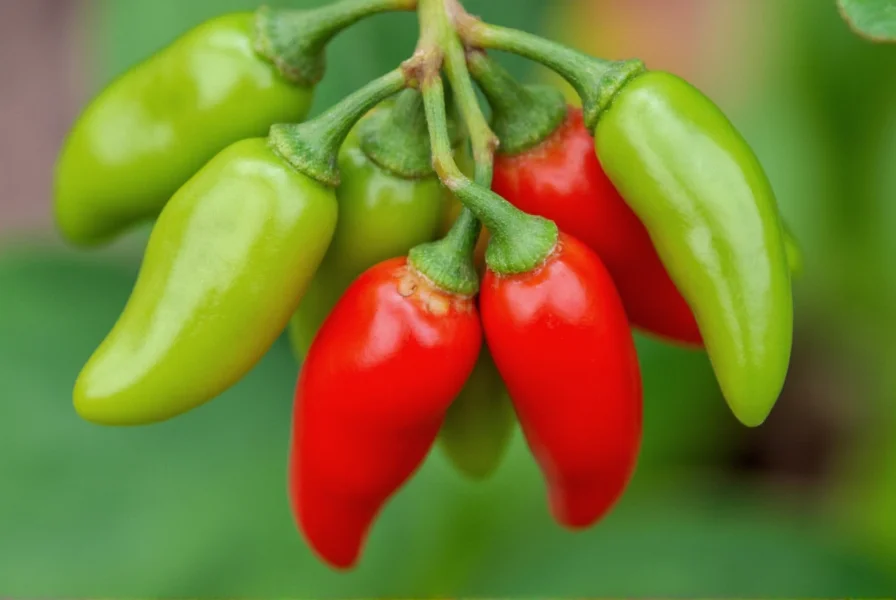
Physical Characteristics and Heat Profile
Measuring just 1-2 inches long with a tapered conical shape, bird chilies transition from green to vibrant red as they mature. Their thin skin and small size belie their intense heat level of 50,000-100,000 SHU on the Scoville scale. This heat registers quickly with an immediate burn that peaks within seconds and subsides relatively faster than super-hot peppers.
| Pepper Variety | Scoville Heat Units | Relative Heat Comparison |
|---|---|---|
| Bird Chili Pepper | 50,000-100,000 | 15-25x hotter than jalapeño |
| Serrano | 10,000-23,000 | 1/5 the heat of bird chili |
| Habanero | 100,000-350,000 | Comparable to hottest bird chilies |
| Thai Dragon | 50,000-100,000 | Nearly identical heat profile |
Culinary Applications Across Cuisines
Chefs value bird chilies for their bright, citrusy flavor that complements their heat. In Thai cooking, they're essential for nam prik (chili dipping sauces) and curries where their rapid heat infusion works perfectly with quick-cooking stir-fries. Vietnamese cuisine uses them in nước chấm fish sauce dips, while Indonesian rendang slow-cooks them to mellow their intensity. Unlike larger peppers, you rarely remove bird chili seeds—the entire pepper gets used since the heat distributes evenly.
Contextual Usage Boundaries: Optimal Applications and Limitations
| Culinary Context | Ideal Application | Key Limitations |
|---|---|---|
| Heat Integration | Raw applications (nước chấm, sambal) where immediate heat burst is desired | Unsuitable for long-simmered stocks (heat degrades after 45+ minutes; add in final 10 minutes) |
| Flavor Preservation | Quick-cooked dishes preserving volatile citrus notes (Thai salads, stir-fries) | Heat treatment above 180°F (82°C) diminishes fruity esters; avoid deep-frying whole peppers |
| Dietary Restrictions | Gluten-free and vegan dishes requiring natural heat | Contraindicated for GERD sufferers; capsaicin triggers acid reflux at concentrations >50,000 SHU (Source: NIH National Institute of Diabetes and Digestive Diseases) |
Growing Bird Chili Plants Successfully
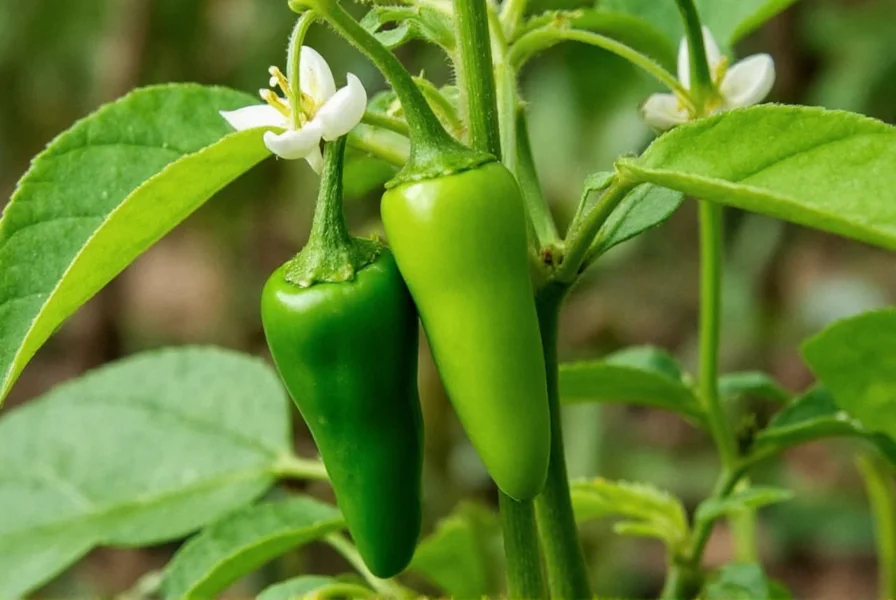
Home gardeners can grow bird chili peppers with these key considerations:
- Require 70-90°F temperatures and full sun (6+ hours daily)
- Need well-draining soil with pH 6.0-7.0
- Start seeds indoors 8-10 weeks before last frost
- Harvest when peppers turn bright red (about 80 days after planting)
- Container growing works well in cooler climates
Safe Handling Practices for Extreme Heat
When working with bird chili peppers, follow these safety protocols:
- Wear disposable gloves to prevent skin contact
- Avoid touching face, especially eyes, during preparation
- Use separate cutting boards for chilies
- Wash hands thoroughly with soap after handling
- Remove seeds carefully—this concentrates the heat
- Start with half a pepper when recipes call for "to taste"
If you experience skin irritation, apply milk or yogurt to the affected area—capsaicin dissolves in fats better than water. For eye exposure, flush immediately with saline solution.
Effective Substitutes When Bird Chilies Are Unavailable
Finding authentic bird chilies can be challenging outside Southeast Asia. These alternatives work depending on your heat tolerance:
- Serrano peppers (use 2-3 for each bird chili) - closest flavor match with less heat
- Fresh red Thai dragon chilies - nearly identical heat and flavor profile
- Habanero (yellow) (use 1/4 pepper) - similar fruitiness with more intense heat
- Cayenne powder (1/8 tsp) - for cooked dishes where fresh pepper isn't essential
Common Misconceptions Clarified
Several myths surround bird chili peppers that affect how people use them:
- Myth: Red chilies are always hotter than green ones
Fact: Heat depends on maturity and growing conditions—some green bird chilies exceed red ones in SHU - Myth: Removing seeds eliminates the heat
Fact: Bird chili heat distributes throughout the flesh—seeds only contain slightly higher concentrations - Myth: All "Thai hot peppers" are bird chilies
Fact: Thai markets sell multiple varieties—true bird chilies are smaller and rounder than most substitutes




 浙公网安备
33010002000092号
浙公网安备
33010002000092号 浙B2-20120091-4