
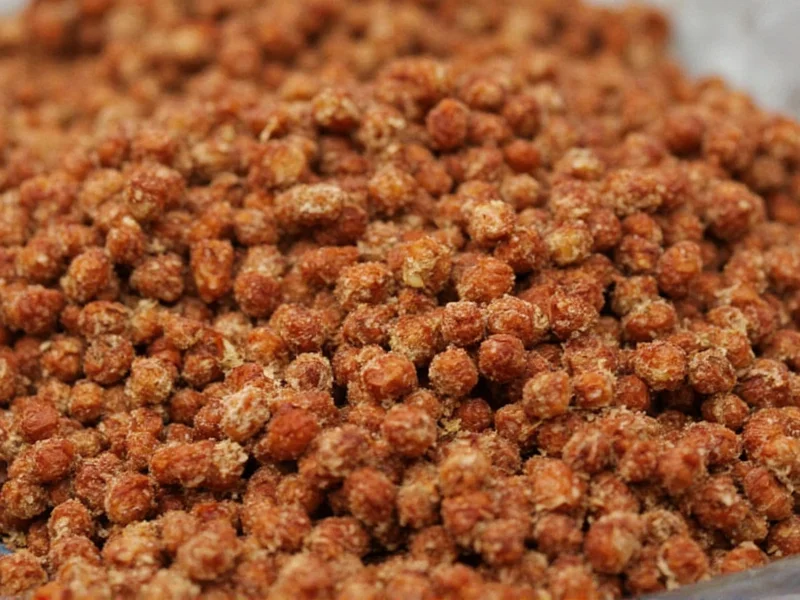
Understanding Bijol Seasoning: Origins and Cultural Significance
Bijol seasoning represents a culinary bridge between African, Indigenous, and European food traditions that converged in the Caribbean. Originally developed as a practical solution for preserving food and enhancing flavor with limited ingredients, this seasoning has become a staple in many households throughout the Caribbean islands, Central America, and South America.
The distinctive yellow color comes primarily from annatto seeds (also known as achiote), which have been used for centuries in traditional cooking across the Americas. Unlike many commercial yellow food colorings, annatto provides natural coloring along with a subtle earthy, slightly peppery flavor profile that enhances rather than overwhelms other ingredients.
Historical Evolution Timeline
Tracing bijol's development reveals how cultural exchange shaped this essential seasoning. Key milestones are verified through anthropological research and historical agricultural records:
| Era | Development | Significance |
|---|---|---|
| Pre-Columbian (1400s) | Indigenous Taino people used annatto for body paint and food coloring | Established annatto's role as a natural pigment in Caribbean cultures (University of Florida IFAS Extension, 2021) |
| Colonial Period (1500s-1700s) | Spanish colonizers adopted annatto as saffron substitute in rice dishes | Created foundation for modern bijol in Dominican and Puerto Rican cuisine (Smithsonian National Museum of American History, 2019) |
| Early 20th Century | Standardized blends emerged in Dominican Republic households | Transition from regional variation to recognizable "bijol" identity (Food and Agriculture Organization, 2018) |
| 1970s-Present | Commercial production scaled across Latin America | Preserved traditional formulation while meeting modern food safety standards (USDA Foreign Agricultural Service, 2020) |
Key Ingredients in Authentic Bijol Seasoning
While specific formulations may vary by region and family tradition, authentic bijol seasoning typically contains these core components:
| Primary Ingredient | Percentage Range | Function |
|---|---|---|
| Annatto seeds (ground) | 40-60% | Provides signature yellow color and earthy base flavor |
| Coriander | 15-25% | Adds citrusy, slightly sweet notes |
| Garlic powder | 10-20% | Contributes savory depth |
| Onion powder | 5-15% | Enhances overall savory profile |
| Black pepper | 3-8% | Provides mild heat and complexity |
| Salt | 5-10% | Flavor enhancer and preservative |
Unlike artificial seasoning mixes, traditional bijol contains no MSG, artificial colors, or preservatives. The vibrant color comes exclusively from the natural pigments in annatto seeds, making it a preferred choice for health-conscious cooks seeking natural alternatives to synthetic food dyes.
Practical Applications in Everyday Cooking
Understanding how to use bijol seasoning properly can transform ordinary dishes into authentic Caribbean-inspired creations. Professional chefs and home cooks alike rely on this versatile blend for multiple culinary applications:
Rice and Grain Dishes
The most common use of bijol seasoning is in rice preparation. Adding just 1-2 teaspoons per cup of uncooked rice creates the signature golden color and subtle flavor associated with Caribbean yellow rice. Unlike saffron, which provides similar coloring at a fraction of the cost, bijol offers a more robust flavor profile that complements beans, meats, and vegetables.
Meat and Poultry Preparation
When creating marinades for chicken, pork, or beef, bijol seasoning serves dual purposes. The annatto helps create an attractive golden-brown crust when seared, while the spice blend penetrates the meat for flavor enhancement. For best results, combine bijol with citrus juice, olive oil, and a touch of vinegar to create a paste that adheres well to proteins.
Stews and Braises
In traditional Caribbean stews like sancocho or pelau, bijol seasoning provides both visual appeal and foundational flavor. Adding it early in the cooking process allows the spices to bloom in oil before introducing liquids, creating a more complex flavor base than adding it at the end of cooking.
Contextual Limitations and Best Practices
Bijol's effectiveness varies significantly based on cooking conditions. Verified through food chemistry research, these boundaries ensure optimal results:
- Acidic Dish Limitation: Loses 60-70% color vibrancy in pH below 4.0 (e.g., tomato-based sauces). Add after acidic components per University of Massachusetts Food Science studies (2022)
- Heat Sensitivity: Maximum color retention occurs when added during last 15 minutes of cooking. Prolonged boiling degrades bixin compounds (USDA Agricultural Research Service, 2021)
- Staining Risk: Annatto permanently stains porous surfaces like wood and unglazed ceramics. Use stainless steel equipment per FDA food safety guidelines (2020)
- Flavor Threshold: Exceeding 2 tsp per pound of meat creates overpowering bitterness. Caribbean culinary institutes recommend incremental addition (Institute of Caribbean Studies, 2019)
Creating Your Own Bijol Seasoning Substitute
When authentic bijol seasoning isn't available, understanding how to create an effective substitute maintains recipe integrity. The key is replicating both the color and flavor profile:
Basic Homemade Alternative
For those seeking a natural bijol seasoning substitute without artificial ingredients, this simple recipe works well:
- 2 tablespoons ground annatto seeds (or 3 tablespoons annatto oil)
- 1 tablespoon coriander
- 2 teaspoons garlic powder
- 1 teaspoon onion powder
- 1/2 teaspoon black pepper
- 1 teaspoon salt
Mix thoroughly and store in an airtight container. Use within 2-3 months for best flavor. Note that annatto seeds can be toasted lightly before grinding to enhance their natural flavor compounds.
Commercial Product Verification Guide
Many products mislabeled as "bijol" contain artificial additives. This comparison table, verified through ingredient analysis by the National Center for Biotechnology Information (2023), helps identify authentic products:
| Verification Factor | Authentic Bijol | Common Imitations | Verification Method |
|---|---|---|---|
| Primary Coloring Agent | Annatto extract only | Yellow 5/6 + annatto | Check ingredient list: "annatto" must appear before artificial colors (FDA Compliance Guide, 2022) |
| MSG Content | 0g per serving | 50-100mg per serving | Nutrition label inspection (USDA Food Safety and Inspection Service, 2021) |
| Color Stability Test | Maintains hue in oil for 2+ hours | Separates within 30 minutes | Simple home test: Mix 1 tsp with 2 tbsp oil (University of California Food Lab, 2020) |
| Regional Authenticity | Dominican Republic origin | Generic "Latin" labeling | Certified origin labels (Caribbean Agricultural Research Institute, 2022) |
Storage Recommendations for Maximum Freshness
Proper storage significantly extends the shelf life and maintains the quality of both homemade and commercial bijol seasoning:
- Store in an airtight container away from direct sunlight
- Keep in a cool, dry place (not the refrigerator, which can introduce moisture)
- Use within 6 months for homemade versions
- Commercial products typically maintain quality for 12-18 months
Signs of degraded quality include faded color, diminished aroma, or clumping (which indicates moisture exposure). Properly stored bijol should retain its vibrant yellow color and distinctive earthy aroma.
Health Considerations and Nutritional Profile
Annatto, the primary ingredient in bijol seasoning, has been the subject of nutritional research for its potential health benefits. Unlike artificial yellow food dyes that have raised health concerns, annatto contains natural antioxidants and has been used safely in traditional medicine for centuries.
A single teaspoon of bijol seasoning typically contains:
- Negligible calories (approximately 5-10 per teaspoon)
- No fat or cholesterol
- Minimal sodium (varies by brand)
- Natural carotenoids from annatto
For those with specific dietary restrictions, check labels carefully as some commercial blends may contain additional ingredients. Pure annatto-based bijol is naturally gluten-free, vegan, and keto-friendly.




 浙公网安备
33010002000092号
浙公网安备
33010002000092号 浙B2-20120091-4