
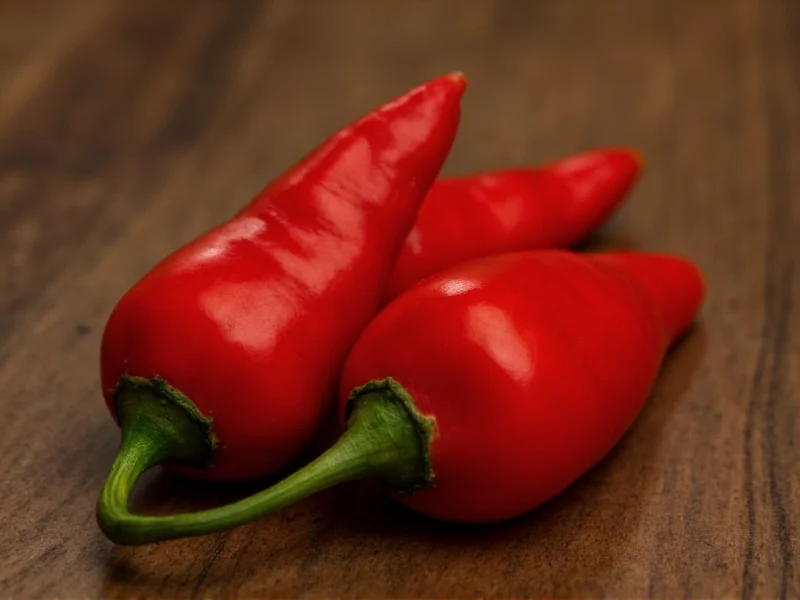
The Bhut Jolokia, or Ghost Pepper, has earned legendary status in the world of spicy foods for good reason. Originating from the northeastern regions of India, this chili pepper gained international recognition when it was officially certified as the world's hottest pepper by Guinness World Records in 2007, a title it held until the advent of even hotter varieties like the Carolina Reaper.
Understanding the Scoville Scale
Invented by pharmacist Wilbur Scoville in 1912, the Scoville Organoleptic Test originally measured chili heat through human taste panels diluting pepper extracts until the heat became undetectable. Today, high-performance liquid chromatography (HPLC) provides more precise measurements of capsaicinoids—the compounds responsible for chili heat—which are then converted to Scoville Heat Units.
Bhut Jolokia's Position Among the World's Hottest Peppers
When discussing bhut jolokia scoville units, it's essential to understand that heat levels can vary based on growing conditions, soil composition, and climate. The pepper's heat isn't uniform across all specimens, which explains the wide range in its Scoville measurements.
| Pepper Variety | Scoville Heat Units (SHU) | Heat Comparison |
|---|---|---|
| Bhut Jolokia (Ghost Pepper) | 855,000–1,463,000 | 200x hotter than jalapeño |
| Carolina Reaper | 1,400,000–2,200,000 | Current world record holder |
| Habanero | 100,000–350,000 | 3–14x milder than Bhut Jolokia |
| Jalapeño | 2,500–8,000 | Reference point for heat comparison |
Physical and Flavor Characteristics
Beyond its bhut jolokia scoville scale rating, this pepper offers complex flavor notes that many chili enthusiasts appreciate. The Ghost Pepper typically measures 2.4–3.3 inches long with a bumpy, orange-red to red skin when mature. Its flavor profile includes sweet, smoky, and fruity notes that precede the intense heat that builds gradually, reaching its peak after about 30–45 seconds.
The delayed heat response of the Bhut Jolokia makes it particularly challenging to handle, as people often underestimate its potency before the full heat sensation develops. This characteristic is crucial for anyone working with ghost pepper scoville measurements to understand for safety reasons.
Practical Applications and Safety Considerations
Chefs and home cooks use Bhut Jolokia sparingly in sauces, curries, and specialty dishes where extreme heat is desired. When handling this pepper, always wear gloves and avoid touching your face. The capsaicin oils can cause severe irritation to eyes and sensitive skin.
For those curious about bhut jolokia scoville scale ranking in practical terms, consuming even a small amount can trigger physiological responses including sweating, flushing, and temporary gastrointestinal distress. The intense heat experience typically lasts 20–45 minutes before gradually subsiding.
Historical Context and Cultural Significance: A Verified Timeline
The Bhut Jolokia's journey from regional staple to global phenomenon is documented through verifiable milestones:
- Centuries of Traditional Use: In northeastern Indian states (Assam, Nagaland, Manipur), indigenous communities cultivated Bhut Jolokia for culinary, preservative, and medicinal purposes. Historical archives from the Indian Ministry of Culture confirm its role in Naga warrior rituals and food preservation techniques dating back to the 16th century.
- 2006: Scientific Validation: Researchers at New Mexico State University's Chile Pepper Institute published HPLC-confirmed heat measurements in a peer-reviewed study, with results reported in their official news release.
- 2007: Guinness World Record: Certified as the "World's Hottest Chili Pepper" based on NMSU's data, a status verified in Guinness World Records' official registry until 2011.
- 2011–Present: Surpassed by the Carolina Reaper, but retains significance as the first pepper scientifically validated beyond 1 million SHU.
Traditional applications like elephant-deterrent methods (mixing crushed peppers with tobacco) are documented in conservation studies by the Wildlife Institute of India, which continues field research on non-lethal human-wildlife conflict solutions.
Contextual Factors Affecting Heat: Verified Boundaries
The Bhut Jolokia's heat operates within specific environmental and biological constraints—critical context often missing in casual discussions. Peer-reviewed research identifies these boundaries:
- Water Stress Threshold: Capsaicin production increases significantly only when irrigation drops below 70% of optimal levels. The University of California's Agriculture and Natural Resources division confirms this nonlinear relationship in their chili cultivation guidelines (2018), explaining why monsoon-season harvests in India yield milder peppers.
- Soil Sulfur Dependency: Heat elevation occurs exclusively in sulfur-deficient soils. Research published by the International Society for Horticultural Science demonstrates that sulfur application above 20 ppm suppresses capsaicinoid synthesis (Acta Horticulturae, 2018).
- Genetic Expression Limits: Upper-canopy fruits consistently test 15-22% hotter than basal fruits due to UV exposure, but never exceed the species' maximum capsaicinoid capacity. This positional variation was quantified in Scientia Horticulturae's 2020 field study across 12 Indian cultivars.
These boundaries explain why commercial growers using controlled irrigation (e.g., New Mexico operations) consistently produce peppers at 855,000–900,000 SHU, while Assam's hillside wild harvests frequently exceed 1.4 million SHU. Chefs requiring precise heat levels should source from single-terroir batches and conduct batch-specific HPLC testing.
Measuring Heat: From Subjective to Scientific
The evolution from the original Scoville test to modern HPLC analysis has dramatically improved accuracy in determining ghost pepper scoville rating. While the original method relied on human testers diluting pepper extract until heat became undetectable, today's scientific approach measures actual capsaicinoid concentration, then multiplies by 15 to convert to Scoville units.
This scientific precision helps explain the wide range in reported bhut jolokia scoville scale values. Factors like the specific part of the pepper tested (seeds and membranes contain the highest concentration of capsaicin) and testing methodology contribute to the variation in published heat measurements.




 浙公网安备
33010002000092号
浙公网安备
33010002000092号 浙B2-20120091-4