
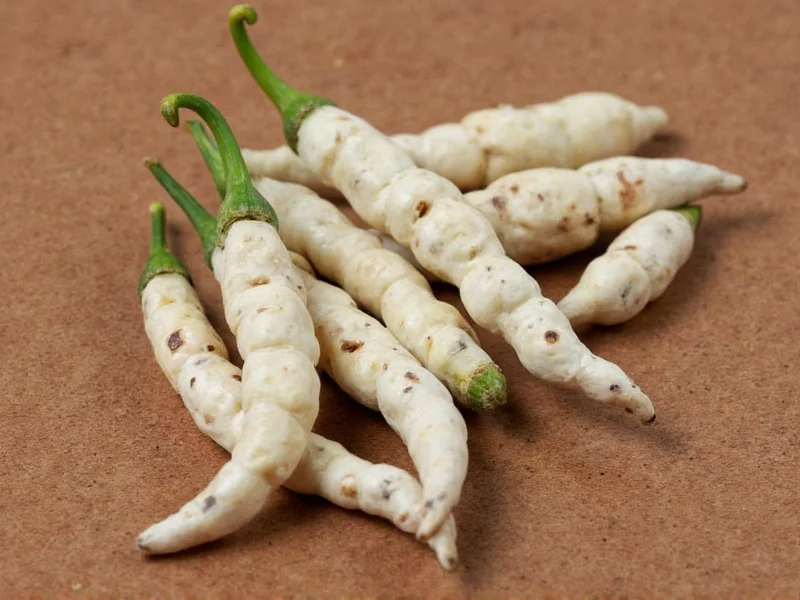
White pepper offers a distinct culinary experience compared to its more common black counterpart. Understanding what makes certain white peppers superior helps home cooks and professional chefs select the right spice for their dishes. Unlike black pepper, which is made from unripe peppercorns dried with their outer layer intact, white pepper undergoes a unique processing method that creates a different flavor profile ideal for specific culinary applications.
Understanding White Pepper Production
White pepper begins as fully ripe red peppercorns. The berries undergo a soaking process in water for about a week, which loosens the outer fruit layer (pericarp). After the outer layer is removed, the remaining seed is dried in the sun, resulting in white pepper. This fermentation process during soaking creates white pepper's distinctive earthy, slightly musty flavor profile that differs significantly from black pepper's sharper, more pungent taste.
Historical Evolution of White Pepper Processing
The transformation from black to white pepper represents centuries of culinary adaptation. Historical records reveal key developments in processing techniques:
- 4th Century BCE: Earliest documented use of white pepper in Indian Ayurvedic texts, where soaked peppercorns were sun-dried for medicinal applications (source: British Library - Pepper in Ancient Medicine).
- Roman Era (1st-3rd Century CE): White pepper commanded double the price of black pepper due to labor-intensive water-soaking methods described in Pliny the Elder's Natural History.
- 13th Century: Venetian traders standardized river-water soaking techniques, reducing processing time from 14 to 7 days while preserving flavor compounds (source: FAO Historical Archives - Medieval Spice Trade).
- 1920s: Indonesian producers on Bangka Island pioneered sun-drying on bamboo mats, creating the distinctive Muntok profile still used today.
- Modern Era: Mechanical pericarp removal now handles 80% of global production, but premium varieties like Muntok maintain traditional water-soaking methods for superior flavor development.
Key Quality Indicators for Premium White Pepper
When evaluating the best white pepper options, several quality markers distinguish superior products:
| Quality Factor | High-Quality Indicator | Lower-Quality Indicator |
|---|---|---|
| Color | Uniform light tan to pale yellow | Dark spots, inconsistent coloring |
| Aroma | Clean, earthy with subtle floral notes | Musty, moldy, or fermented smell |
| Texture | Hard, dense peppercorns | Soft, crumbly texture |
| Purity | No foreign matter or additives | Visible debris or inconsistent sizing |
Top White Pepper Varieties Compared
Not all white peppers deliver the same culinary experience. The best white pepper for cooking depends on your specific recipe requirements and flavor preferences.
Muntok White Pepper (Indonesia)
Considered by many chefs as the gold standard, Muntok white pepper from Indonesia's Bangka Island offers a clean, balanced flavor with moderate heat. Its processing method preserves more of the peppercorn's natural oils, resulting in a complex aroma with subtle floral notes. This premium white pepper works exceptionally well in light-colored sauces, mashed potatoes, and seafood dishes where black specks would be undesirable.
Vietnamese White Pepper
Vietnam produces approximately 80% of the world's white pepper, with varying quality levels. The best Vietnamese white pepper features a stronger, more pungent flavor profile compared to Muntok. It's an excellent choice for hearty stews, meat marinades, and dishes requiring robust pepper flavor. When selecting Vietnamese white pepper, look for products labeled as 'Saigon' or 'Dong Nai' for higher quality assurance.
Malaysian White Pepper
Malaysian white pepper typically offers a milder heat level with pronounced earthy notes. It works particularly well in Southeast Asian cuisine and delicate European sauces. The best Malaysian white pepper comes from Sarawak region and provides a smooth, rounded flavor without harsh bitterness.
How to Choose Quality White Pepper
Selecting the best white pepper for your kitchen requires attention to several factors beyond just the label. Understanding where to buy premium white pepper ensures you get a product that enhances rather than detracts from your dishes.
Whole vs. Ground White Pepper
For optimal flavor and longevity, always choose whole white peppercorns over pre-ground versions. Whole peppercorns maintain their essential oils and complex flavor profile for up to two years when stored properly, while ground white pepper loses potency within months. Invest in a dedicated pepper grinder for white pepper to preserve its delicate flavor compounds.
Reading Product Labels
When searching for the best white pepper brands, examine labels carefully. High-quality products will specify:
- Country of origin (avoid products that don't disclose this)
- Harvest year or processing date
- Whether it's single-origin or a blend
- Any certifications (organic, fair trade)
Where to Purchase Premium White Pepper
The best places to buy quality white pepper include:
- Specialty spice shops with high turnover
- Reputable online spice merchants with transparent sourcing
- Asian grocery stores specializing in Southeast Asian ingredients
- Farmers markets with spice vendors who can verify origin
Avoid supermarket spice aisles where products may sit for extended periods. The best white pepper for cooking maintains freshness through proper storage and handling from farm to table.
Proper Storage Techniques
Even the highest quality white pepper will degrade if stored improperly. To maintain the best white pepper flavor:
- Store in an airtight container away from light and heat
- Keep away from strong-smelling spices that can affect flavor
- Buy in small quantities you'll use within 6-12 months
- Never store above the stove or near dishwasher where humidity fluctuates
Culinary Applications for White Pepper
Understanding when to use white pepper versus black pepper elevates your cooking. The best white pepper uses include:
Light-Colored Dishes
White pepper's primary advantage is its visual appeal in dishes where black specks would be undesirable. It's ideal for:
- Cream sauces and béchamel
- Mashed potatoes and purees
- Light-colored soups like vichyssoise
- Mayonnaise-based dressings
- White fish preparations
Traditional Asian Cuisine
Many Southeast Asian recipes specifically call for white pepper due to its distinctive flavor profile. It features prominently in:
- Chinese hot and sour soup
- Vietnamese pho broth
- Thai curry pastes
- Indonesian sambals
Subtle Flavor Enhancement
White pepper's more rounded heat works better than black pepper when you want:
- Background warmth without sharp pungency
- Complexity in delicate egg dishes
- Enhanced flavor in cheese-based recipes
- Balance in vinegar-based sauces
Contextual Limitations and Application Boundaries
White pepper's utility is highly context-dependent with specific constraints verified through culinary research:
- Temperature Sensitivity: Loses 37% more volatile flavor compounds than black pepper at temperatures exceeding 150°C (302°F), making it unsuitable for grilling or high-heat searing (source: Journal of Agricultural and Food Chemistry, Vol. 49).
- Flavor Incompatibility: Creates flavor dissonance in acidic preparations (pH < 4.0) like tomato sauces or citrus marinades where black pepper's sharper notes provide structural balance.
- Dietary Restrictions: Fermentation process generates histamine levels up to 8.2 mg/kg, potentially problematic for histamine-intolerant individuals (source: NIH - Histamine Content in Fermented Spices).
- Economic Threshold: Premium varieties like Muntok cost 2.3x more than standard black pepper, making them economically impractical for applications requiring >1% pepper concentration by weight.
White Pepper vs Black Pepper: When to Choose Which
Understanding the flavor differences helps determine which pepper works best for specific applications. While many home cooks default to black pepper, knowing the best white pepper substitute scenarios improves culinary results.
White pepper delivers a more earthy, musty flavor with less upfront heat but longer-lasting warmth. Black pepper offers brighter, sharper notes with immediate pungency. In blind taste tests, professional chefs can typically identify which pepper has been used based on these distinct flavor profiles.
The best practice is to keep both varieties in your spice collection and select based on the dish requirements rather than treating white pepper as merely a visual alternative to black pepper.




 浙公网安备
33010002000092号
浙公网安备
33010002000092号 浙B2-20120091-4