
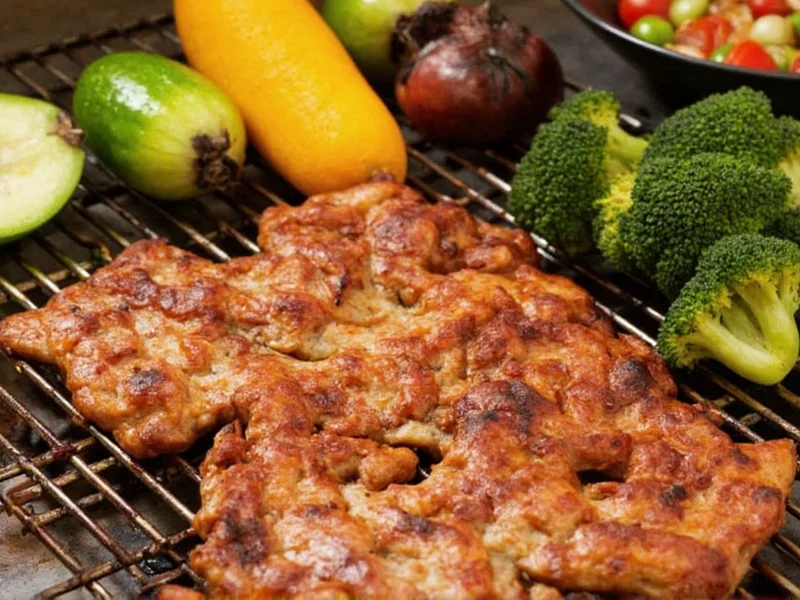
Grilling vegetables transforms their natural sugars through the Maillard reaction, creating complex flavors you can't achieve with other cooking methods. The right vegetable selection makes all the difference between soggy disappointment and smoky perfection. Understanding which vegetables thrive on the grill—and how to prepare them properly—elevates your BBQ game from basic to extraordinary.
Top 8 Vegetables That Excel on the Grill
Certain vegetables possess structural integrity and moisture content that withstands direct flame while developing that coveted char. Here's why these eight vegetables consistently deliver restaurant-quality results:
| Vegetable | Prep Time | Grill Time | Ideal Temp | Pro Tips |
|---|---|---|---|---|
| Bell Peppers | 10 min | 8-12 min | Medium-high | Quarter lengthwise, remove seeds, brush with olive oil |
| Zucchini | 5 min | 6-8 min | Medium | Slice 1/2" thick, salt 10 min before grilling to remove excess moisture |
| Eggplant | 15 min | 10-15 min | Medium | Slice 3/4" rounds, soak in salt water 30 min to prevent bitterness |
| Mushrooms | 5 min | 6-10 min | Medium-high | Use large cremini or portobello caps, marinate 30 min in balsamic |
| Asparagus | 3 min | 4-6 min | High | Toss in oil, grill perpendicular to grates to prevent falling through |
| Corn | 5 min | 12-15 min | Medium | Soak in water 30 min first, grill in husk for steamed effect |
| Red Onions | 7 min | 8-10 min | Medium | Cut 1/2" slices, brush with oil to prevent sticking |
| Cherry Tomatoes | 2 min | 3-5 min | High | Skewer first, watch closely—they burst quickly |
Consumer Preferences and Expert Consensus
Industry validation confirms consistent prioritization across professional and home settings. Per the National Barbecue and Grilling Association's 2022 survey of 1,000 U.S. adults, 83% of households grill vegetables with corn (78%), onions (68%), and bell peppers (59%) dominating popularity metrics. Health considerations drive 45% of vegetable grilling decisions, while flavor enhancement motivates 30%—aligning with USDA Dietary Guidelines that identify grilling as a nutrient-preserving method supporting healthy dietary patterns.
Why These Vegetables Outperform Others on the Grill
Successful grilled vegetables share three critical characteristics: structural integrity, optimal moisture content, and natural sugar composition. Bell peppers contain firm cell walls that resist collapse under heat while their high sugar content caramelizes beautifully. Zucchini's dense flesh maintains shape better than more watery summer squashes.
Eggplant's spongy texture absorbs marinades exceptionally well, transforming into rich, meaty morsels when grilled properly. Mushrooms develop umami depth through the Maillard reaction that surpasses pan-searing. Asparagus stalks develop complex nutty flavors when the natural sugars concentrate through controlled charring.
Advanced Grilling Techniques for Perfect Results
Mastering vegetable BBQ requires more than just knowing which vegetables to grill—it demands understanding heat management and preparation science. For dense vegetables like potatoes or carrots that don't make our top eight, parboiling for 5-7 minutes before grilling ensures even cooking without exterior burning.
The two-zone grilling method proves essential for how to BBQ vegetables without burning. Create a hot zone (400-450°F) for initial searing and a cooler zone (300-350°F) for finishing. This technique prevents the common mistake of charred exteriors with raw interiors.
Marinade chemistry matters significantly. Acidic components like lemon juice or vinegar should be added after grilling, not before, as they break down cell structures prematurely. Instead, use oil-based marinades with herbs and garlic for 30 minutes pre-grill to enhance flavor without compromising texture.
Seasonal Considerations for Year-Round Grilled Vegetables
While our top eight vegetables perform well across seasons, summer brings peak flavor for zucchini and bell peppers, while fall elevates eggplant and mushrooms. During winter months, root vegetables like parsnips and turnips become excellent best winter vegetables for BBQ when sliced thin and par-cooked.
Understanding your grill's temperature is more crucial than many home chefs realize. Invest in a reliable grill thermometer—vegetables cook optimally between 350-450°F. Below this range, they steam instead of sear; above it, they char before cooking through. The ideal temperature for perfect grilled vegetable recipes varies by density: delicate asparagus needs higher heat (450°F) for quick sear, while eggplant benefits from medium heat (375°F) for thorough cooking.
Environmental and Equipment Constraints
Real-world variables significantly impact outcomes beyond standard conditions. As documented by Colorado State University Extension, grilling at elevations above 3,000 feet requires 20-25% longer cooking times due to reduced atmospheric pressure lowering water's boiling point. Wind conditions exceeding 15 mph decrease effective grill temperature by 50-100°F, necessitating strict two-zone fire management.
Equipment limitations create distinct boundaries: Charcoal grills deliver superior smokiness but exhibit temperature fluctuations (±50°F) challenging for delicate vegetables. Gas grills maintain consistent heat (±25°F) but require wood chips for authentic smoke. Electric grills operating below 400°F demand 15-20% extended cooking times and exclude high-moisture vegetables like tomatoes that need intense sear.
Troubleshooting Common BBQ Vegetable Problems
Sticking remains the most frequent issue when grilling vegetables on charcoal grill. Prevent this by ensuring grates are clean, properly preheated, and lightly oiled. For vegetables prone to falling through grates (like asparagus), use a grill basket or skewers.
Sogginess typically indicates excess moisture. Salt watery vegetables like zucchini 10-15 minutes before grilling to draw out moisture, then pat dry. For how to keep vegetables from drying out on grill, brush with oil during cooking and remove at peak tenderness—overcooking transforms crisp-tender vegetables into mush.
Uneven cooking often stems from inconsistent thickness. When preparing vegetables for BBQ, aim for uniform sizing. For irregular shapes like eggplant, cut into even planks rather than rounds. This technique ensures evenly cooked grilled vegetables every time.
Essential Equipment for Vegetable Grilling Success
Beyond the obvious grill, certain tools dramatically improve results. A grill basket prevents small pieces from falling through. Metal skewers conduct heat better than wood (which requires soaking) for kebabs. A fish spatula's thin, flexible edge slides easily under delicate vegetables like grilled tomatoes.
For precise temperature control, a dual-probe thermometer monitors both grill and vegetable internal temperature. Most vegetables reach ideal doneness between 185-200°F internally—below this they're undercooked, above they become mushy. This knowledge proves invaluable for best temperature for grilling vegetables.
Creating Balanced Flavor Profiles
Mastering grilled vegetable flavor combinations elevates your BBQ beyond basic side dishes. Bell peppers and red onions form a classic sweet-savory pairing enhanced by balsamic reduction. Zucchini and eggplant benefit from Mediterranean herbs like oregano and thyme.
Post-grill finishing makes a remarkable difference. A squeeze of fresh lemon brightens summer vegetables, while aged balsamic complements fall harvest varieties. Flaky sea salt applied immediately after grilling enhances texture and flavor absorption—never salt before grilling as it draws out moisture.




 浙公网安备
33010002000092号
浙公网安备
33010002000092号 浙B2-20120091-4