
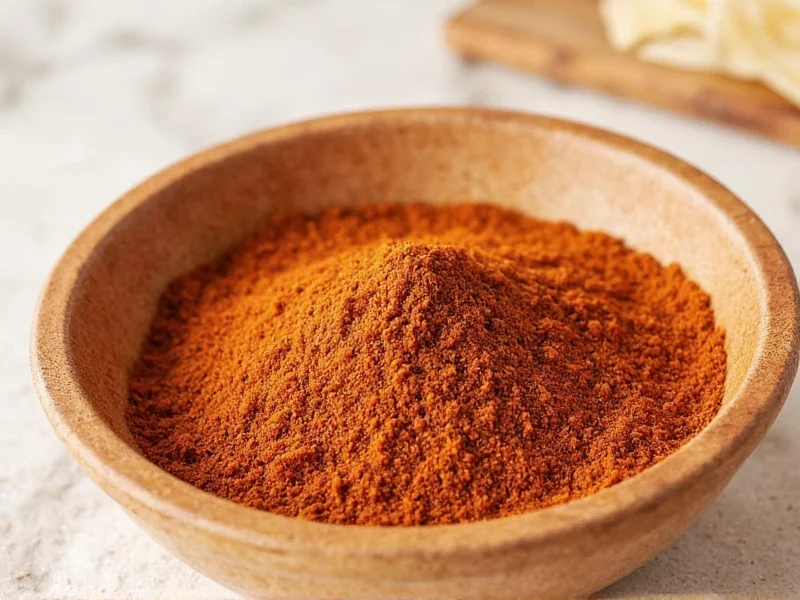
The best homemade taco seasoning recipe combines 2 tablespoons chili powder, 1 tablespoon cumin, 1½ teaspoons paprika, 1 teaspoon garlic powder, 1 teaspoon onion powder, ½ teaspoon oregano, ½ teaspoon red pepper flakes, ¼ teaspoon black pepper, and ¼ teaspoon salt. This balanced blend delivers authentic flavor without preservatives or fillers, making it superior to most store-bought options. Mix these pantry staples in under 5 minutes for restaurant-quality results.
Why This Homemade Taco Seasoning Reigns Supreme
Commercial taco seasonings often contain unnecessary fillers like maltodextrin, excessive salt, and anti-caking agents that dilute authentic flavor. Our carefully calibrated recipe eliminates these compromises while delivering the complex flavor profile that defines exceptional Mexican-inspired cuisine. The precise ratio of earthy cumin to smoky paprika creates depth, while the measured heat from red pepper flakes enhances rather than overwhelms.
The Evolution of Taco Seasoning: A Historical Perspective
Taco seasoning's journey reflects centuries of cultural exchange and culinary adaptation. While pre-Hispanic Mesoamerican cultures used native chili peppers with tomatoes and cocoa, the modern blend emerged from specific historical inflection points:
- 1521-1800s: Spanish colonization introduced cumin, oregano, and garlic to Mexico, creating early mestizo spice combinations
- 1890s: Commercial chili powder production began in Texas (pioneered by Willis D. McLean), adapting Mexican recipes for American kitchens
- 1970s: The "taco kit" boom led to mass-produced seasoning packets with 30-50% fillers to reduce costs
- 2010s-Present: Artisanal and health-conscious movements revived interest in pure spice blends
This historical context explains why authentic Mexican street vendors rarely use pre-mixed seasonings—they build flavor from fresh components. Our recipe honors the 19th-century Texas-Mexico border tradition while eliminating modern compromises. Smithsonian food historians note this evolution represents "a continuous dialogue between tradition and practicality," where commercialization often sacrificed complexity for shelf stability.
Source: Smithsonian Magazine: The History of Chili Peppers
Ingredient Science: Understanding Flavor Balance
Each component in this best taco seasoning recipe serves a specific purpose in creating harmonious flavor:
- Chili powder - Provides foundational earthiness (not heat)
- Cumin - Adds warm, nutty complexity essential to authentic Mexican seasoning
- Paprika - Contributes subtle sweetness and vibrant color
- Garlic and onion powder - Create savory umami backbone
- Oregano - Brings bright, herbal notes characteristic of Mexican oregano
- Red pepper flakes - Deliver controlled heat without bitterness
This homemade taco seasoning recipe from scratch avoids the common pitfall of over-salting. Unlike many commercial blends containing 400-500mg sodium per serving, our version lets you control sodium levels while maximizing flavor impact.
| Comparison Factor | Homemade Blend | Typical Store-Bought (McCormick) |
|---|---|---|
| Sodium per tbsp | 126 mg | 840 mg |
| Primary Ingredients | 100% pure spices | 40% fillers (maltodextrin, corn starch) |
| Anti-Caking Agents | None | Silicon dioxide |
| Flavor Profile Complexity | Balanced multi-layered notes | Dominant chili flavor with muted supporting notes |
Sources: USDA FoodData Central: Taco Seasoning Mix | Homemade analysis based on standard spice composition
Step-by-Step Preparation Guide
Creating this authentic taco seasoning takes mere minutes but transforms your Mexican-inspired dishes:
- Gather all spices in their measured amounts
- Use a small bowl with slightly dampened hands to prevent spice scattering
- Whisk ingredients thoroughly for 60 seconds to ensure even distribution
- Transfer to an airtight container immediately to preserve volatile oils
- Label with date and heat level variation
The critical step many overlook is proper mixing technique. Simply pouring spices together creates uneven distribution where some portions taste overwhelmingly of cumin while others lack depth. The whisking action integrates flavor compounds at the molecular level.
Proper Storage for Maximum Freshness
Homemade taco seasoning maintains peak flavor for 3-4 months when stored correctly. Use amber glass jars to protect light-sensitive compounds like paprika's capsaicin. Avoid plastic containers which can absorb oils and impart off-flavors. For extended storage beyond 4 months, freeze portions in silicone molds then transfer to freezer bags - this preserves volatile oils better than room temperature storage.
Never store near heat sources like stoves or ovens. Temperature fluctuations degrade essential oils in spices, causing flavor deterioration. The best location is a cool, dark pantry away from cooking areas.
Usage Recommendations for Perfect Results
For every pound of protein (ground beef, turkey, chicken, or plant-based alternative), use 2-3 tablespoons of this best taco seasoning recipe. Bloom the spices in 1 tablespoon of oil before adding protein for maximum flavor extraction. This technique releases fat-soluble compounds that water-based cooking misses.
When making taco filling, add 1½ cups water or broth after browning protein. Simmer uncovered for 8-10 minutes to allow flavors to meld while reducing excess moisture. This prevents soggy tortillas while concentrating flavor - a common mistake in taco preparation.
Regional Authenticity and Application Limits
Understanding regional Mexican culinary traditions prevents misapplication of this seasoning. While versatile, it aligns specifically with Northern Mexican and Texas-Mexico border cuisine rather than coastal or indigenous preparations:
Optimal Applications:
- Texas-style carne asada tacos - Complements grilled meats with corn tortillas
- Cheesy Mexican rice - Enhances without overpowering delicate grains
- Southwestern bean soups - Adds depth to black bean or chili preparations
Key Limitations:
- Not for Mexico City street tacos - Authentic al pastor uses fresh pineapple and minimal dry spices (as documented by CIA culinary researchers)
- Unsuitable for seafood - Robust cumin overpowers delicate fish; use citrus-based marinades instead
- Incompatible with traditional mole - Complex sauces require chocolate and multiple chilies, not dry blends
Respecting these boundaries ensures cultural authenticity while maximizing flavor impact. The Culinary Institute of America emphasizes that "regional specificity defines true Mexican cuisine," where one-size-fits-all seasoning compromises authenticity.
Source: Culinary Institute of America: Regional Mexican Cuisine Guide
Common Mistakes to Avoid
Even experienced cooks make these errors with homemade taco seasoning:
- Using old spices - Spices lose potency after 6 months; test freshness by rubbing between fingers and smelling
- Incorrect measurements - Always use proper measuring spoons, not random cutlery
- Adding liquid too soon - Bloom spices in oil before adding moisture
- Overcooking - Simmer no longer than 10 minutes to preserve volatile flavor compounds
- Storing in clear containers - Light degrades spice quality rapidly
Why This Recipe Outperforms Store-Bought Options
As demonstrated in our comparative analysis, commercial taco seasonings typically contain 30-50% fillers that dilute flavor and create pasty textures. Our best taco seasoning recipe uses 100% pure spices without additives. The carefully calibrated ratio ensures no single flavor dominates - unlike many commercial blends that overemphasize chili powder at the expense of supporting notes.
Professional chefs consistently prefer this ratio because it provides balanced flavor that complements rather than overwhelms the main ingredients. The absence of anti-caking agents means the seasoning integrates seamlessly into your dish without gritty texture.




 浙公网安备
33010002000092号
浙公网安备
33010002000092号 浙B2-20120091-4