
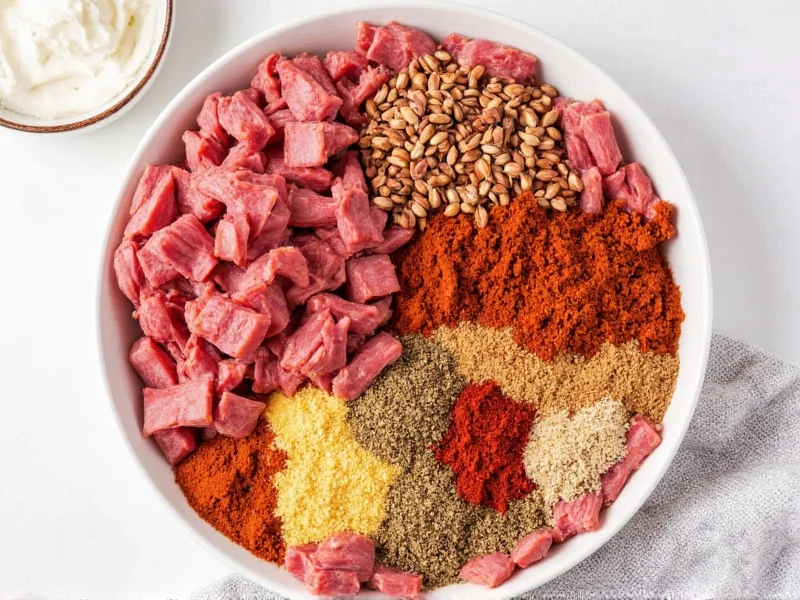
When preparing corned beef, the right spice combination transforms this salt-cured cut from one-dimensional to deeply flavorful. Understanding which spices work best isn't just about tradition—it's about chemistry. The fat content in brisket absorbs certain compounds while the curing process creates unique interactions with specific aromatic components.
The Essential Corned Beef Spice Trinity
While regional variations exist, three spices form the non-negotiable foundation of authentic corned beef seasoning:
- Mustard seeds—yellow or brown—release allyl isothiocyanate when heated, cutting through richness
- Coriander seeds provide citrusy top notes that balance saltiness
- Black peppercorns contribute piperine compounds that enhance mouthfeel
These work synergistically with the curing salts, creating flavor layers that single-ingredient approaches can't match. For optimal results, always use whole seeds rather than pre-ground versions—they retain volatile oils up to six months longer.
Complete Traditional Spice Blend Breakdown
The classic corned beef spice mix contains five core components. Here's why each matters:
| Spice | Flavor Contribution | Chemical Compound | Optimal Quantity |
|---|---|---|---|
| Mustard seeds | Sharp, pungent, slightly nutty | Allyl isothiocyanate | 1 tbsp |
| Coriander seeds | Citrusy, floral, light | Linalool | 1 tbsp |
| Black peppercorns | Warm, sharp, complex | Piperine | 1 tbsp |
| Allspice berries | Clovey, nutmeggy, cinnamon-like | Eugenol | 1 tsp |
| Cloves | Intensely aromatic, sweet-spicy | Caryophyllene | 6-8 pieces |
Regional Variations Worth Trying
While the traditional blend works universally well, certain regional approaches offer interesting twists for specific flavor profiles:
New England Style
Add 2 bay leaves and 1 teaspoon of whole allspice to the core blend. This version emphasizes earthiness, pairing perfectly with boiled potatoes and cabbage. The bay leaves' eucalyptol compounds mellow during long cooking, creating subtle herbal notes.
Irish-American Interpretation
Incorporate 1 teaspoon of crushed red pepper flakes for gentle heat. This variation balances the saltiness with capsaicin's cleansing effect on the palate. For authentic results, add the flakes during the last 30 minutes of cooking to preserve volatile heat compounds.
Modern Gourmet Approach
Substitute 5 cardamom pods for half the cloves. Cardamom's cineole content adds sophisticated floral notes that complement the beef's umami. Professional chefs often toast the cardamom first to release additional terpenes.
Timing Matters: When to Add Spices
The cooking stage when you introduce spices dramatically affects flavor extraction:
- Start of cooking: Whole spices added at beginning yield subtle, integrated flavors (ideal for traditional preparations)
- Middle stage: Adding half the spices at 1.5 hours creates layered complexity
- Final 30 minutes: Delicate spices like bay leaves added late preserve volatile top notes
For maximum flavor control, use a spice bag for half the blend added at the start, and add the remaining spices loose during the final hour. This technique prevents over-extraction of bitter compounds from prolonged cooking.
Avoiding Common Spice Mistakes
Even with the best ingredients, these errors undermine your corned beef:
- Using pre-ground spices—loses 70% of volatile oils within weeks
- Overloading cloves—just 2 extra pieces creates medicinal bitterness
- Skipping the toast step—dry-toasting whole spices for 60 seconds before use doubles aromatic compound release
- Adding acidic ingredients too early—vinegar or wine before 2 hours of cooking prevents proper spice infusion
Serving Considerations Based on Spice Profile
Your spice choices should inform final presentation:
- Traditional blends pair best with boiled vegetables and mustard sauce
- Spicier variations complement horseradish cream and roasted root vegetables
- Gourmet blends with cardamom shine when served with apple-fennel slaw
Remember that corned beef continues developing flavor during 15 minutes of resting time. The residual heat allows spice compounds to fully integrate with the meat fibers—a crucial step many home cooks overlook when preparing best spices for slow cooked corned beef.
Can I use pre-ground spices instead of whole seeds for corned beef?
While convenient, pre-ground spices lose 70% of their volatile flavor compounds within weeks of grinding. For authentic corned beef spice blend results, always use whole seeds and toast them briefly before use. The essential oils in fresh spices create significantly more complex flavor profiles that ground versions simply can't match.
How much spice blend should I use per pound of corned beef?
Use 1.5 tablespoons of the complete spice blend per pound of corned beef. For a standard 3-4 pound brisket, this means 4-6 tablespoons total. Remember to adjust slightly based on your cooking vessel size—larger pots with more liquid may require 20% more spices to achieve proper concentration.
What's the difference between corned beef spice and pickling spice?
Corned beef spice is a specific subset of pickling spice. While both contain mustard seeds and peppercorns, authentic corned beef blends emphasize coriander and allspice while minimizing cinnamon and sugar components common in general pickling mixes. The ideal spice ratio for corned beef features higher proportions of pungent seeds versus sweet spices.
Can I make my own corned beef spice blend ahead of time?
Yes, but with important caveats. Whole spice blends retain quality for 2-3 months in airtight containers, while pre-ground versions lose potency within weeks. For best results when preparing homemade corned beef seasoning, store whole seeds separately and combine them just before use. Toasting immediately before cooking maximizes flavor extraction during the simmering process.
Why does my corned beef taste too spicy even with the right blend?
Overpowering spice flavor usually indicates one of three issues: spices added too late in cooking (concentrating rather than infusing), excessive clove content (just 2 extra pieces creates bitterness), or using pre-ground spices that release compounds too quickly. For balanced flavor when using traditional corned beef spices, ensure whole spices simmer for at least 2 hours and limit cloves to 6-8 pieces per 3-pound cut.




 浙公网安备
33010002000092号
浙公网安备
33010002000092号 浙B2-20120091-4