
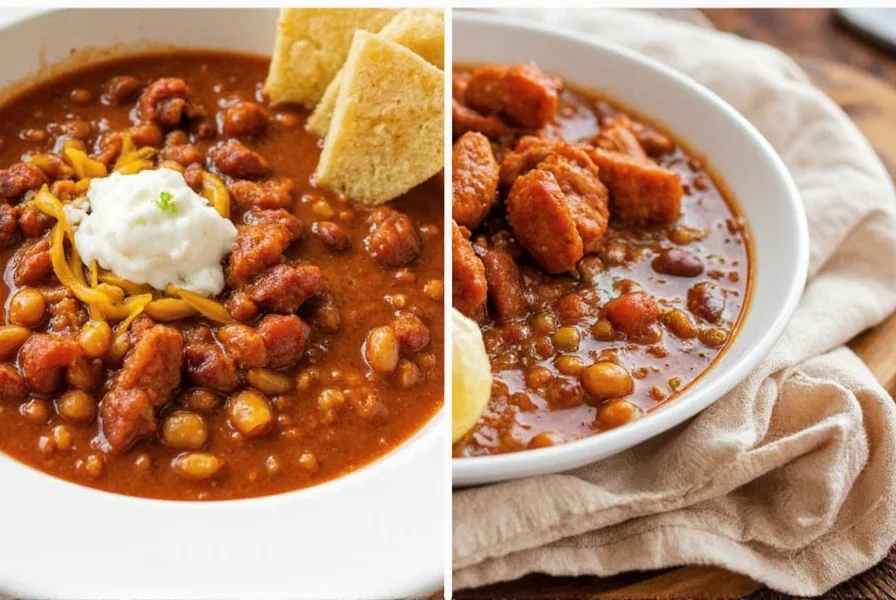
The best side dishes for chili include cornbread, baked potatoes, rice, crackers, and fresh salads. These options provide the ideal balance of textures and flavors to complement chili's rich, spicy profile—cornbread offers sweetness to counter heat, while crunchy toppings add texture contrast. For traditional pairings, cornbread remains the top choice, but creative alternatives like avocado salad or roasted vegetables work well for modern interpretations.
When serving chili, the right side dish can transform your meal from ordinary to extraordinary. Chili's complex blend of spices, meat, and beans demands accompaniments that enhance rather than compete with its robust flavors. The perfect side should provide textural contrast, temperature variation, or complementary flavors that elevate the entire dining experience.
Why Side Dishes Matter with Chili
Chili stands as a hearty, flavorful dish that benefits from strategic pairing. The best side dishes for chili serve specific purposes:
- Texture contrast—crunchy elements balance chili's thick consistency
- Temperature variation—cool sides offset chili's heat
- Flavor balancing—sweet or acidic components cut through richness
- Practical functionality—dip-able items help manage portioning
Understanding these principles helps you select the ideal accompaniments regardless of your specific chili recipe—whether you're serving traditional Texas-style beef chili, vegetarian three-bean chili, or Cincinnati-style with spaghetti.
The Science Behind Perfect Pairings
Flavor chemistry explains why certain pairings succeed where others fail. Capsaicin—the compound creating chili heat—is hydrophobic and binds to pain receptors in the mouth. Fatty components (like cornbread's butter) dissolve capsaicin molecules, while sugars neutralize alkaline compounds in spicy foods. Acidic elements (vinegar in coleslaw) disrupt capsaicin's binding mechanism, and cooling ingredients (avocado's fats) soothe nerve endings. This biochemical interplay validates why cornbread's sweetness and coleslaw's acidity consistently outperform mismatched sides.
Historical Evolution of Chili Pairings
Side dish traditions have evolved alongside chili's culinary journey:
- 1880s-1900s: San Antonio's "Chili Queens" served street-style chili with basic crackers and beans, as documented by the Texas State Historical Association source
- 1930s-1950s: Cornbread became dominant in Southwest home cooking, leveraging regional cornmeal availability and its functional ability to soak up chili juices
- 1990s-Present: The International Chili Society's standardized competitions (founded 1990) formalized pairing guidelines while encouraging innovation like avocado-based sides source
This progression reflects broader shifts from utilitarian street food to globally influenced gourmet cuisine.
Top Side Dishes for Chili by Category
| Category | Top Recommendations | Why They Work | Prep Time |
|---|---|---|---|
| Bread-Based | Cornbread, Biscuits, Garlic Bread | Absorbs liquid, provides sweet contrast to spice | 20-45 min |
| Starchy Sides | Baked Potatoes, Rice, Polenta | Neutral base that complements without overpowering | 30-60 min |
| Fresh/Crunchy | Avocado Salad, Coleslaw, Pickled Onions | Cuts richness with acidity and adds textural contrast | 5-15 min |
| Creative Options | Chili Cheese Fries, Roasted Vegetables, Plantain Chips | Modern twists that enhance traditional flavors | 20-40 min |
Classic Bread-Based Sides
Cornbread represents the undisputed champion among traditional side dishes for chili. Its slightly sweet profile perfectly counters chili's heat while its crumbly texture provides ideal dipping capability. For best results, prepare cornbread with honey or maple syrup to enhance the sweet-spicy contrast.
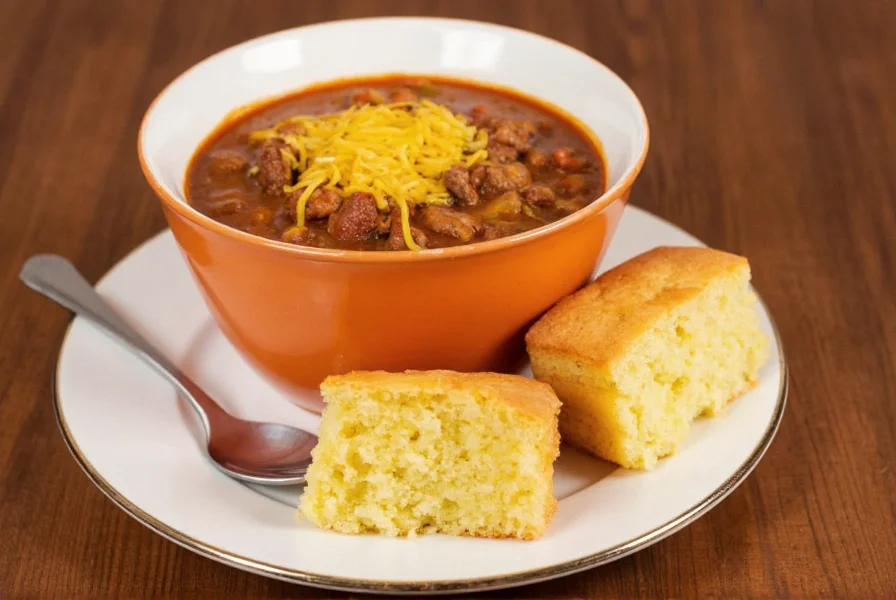
When time is limited, quality store-bought corn muffins work well, but avoid overly sweet varieties that might clash with savory chili. Biscuits offer another excellent option, particularly when brushed with garlic butter after baking. For gluten-free alternatives, consider almond flour cornbread or cassava flour biscuits.
Starchy Companions That Shine
Rice serves as one of the easiest side dishes for chili, providing a neutral canvas that lets chili flavors shine. Basmati or jasmine rice works particularly well with white bean chili, while brown rice complements heartier meat-based versions.
Baked potatoes represent another excellent option among the best side dishes for chili. Simply bake russet potatoes until tender, then slice open and top with chili directly for a complete meal. This approach works especially well for individual servings at casual gatherings.
Fresh Options for Balance
When considering healthy side dishes for chili, fresh options provide essential balance. A simple avocado salad with lime juice and cilantro cuts through richness while adding creaminess. For those wondering what to serve with chili besides cornbread, this represents an excellent alternative.
Coleslaw offers another refreshing counterpoint, particularly with Cincinnati-style chili. The vinegar-based dressing provides acidity that cleanses the palate between bites. For a quick version, combine shredded cabbage, carrot, mayonnaise, apple cider vinegar, and a touch of sugar.
Specialty Pairings for Specific Diets
Dietary restrictions needn't limit your options when selecting side dishes. For gluten-free needs, consider roasted sweet potatoes or plantain chips. Vegan diners appreciate avocado-based sides or roasted vegetable medleys. When serving keto-friendly chili, pair with cauliflower mash or roasted Brussels sprouts.
For those seeking vegetarian side dishes for chili, roasted root vegetables provide excellent complementarity. Try tossing carrots, parsnips, and beets with olive oil and herbs before roasting until caramelized. These bring natural sweetness that balances chili's heat without additional carbohydrates.
Avoiding Common Pairing Mistakes
Even experienced cooks sometimes make mistakes when selecting side dishes. Avoid these pitfalls:
- Overly spicy sides—additional heat can overwhelm the palate
- Heavy cream-based sides—can make the meal feel too rich
- Overly complex preparations—chili often requires significant cooking time, so simpler sides work best
- Competing flavor profiles—avoid sides with dominant flavors that clash with your chili's seasoning
Contextual Pairing Guidelines
Selecting optimal sides requires analyzing your chili's specific properties. The Culinary Institute of America's flavor balancing framework identifies critical context boundaries source:
| Chili Characteristic | Recommended Side Type | Functional Mechanism | Limitations |
|---|---|---|---|
| High-heat varieties (Scoville >5,000) | Cooling/creamy sides | Fats dissolve capsaicin; sugars neutralize alkalinity | Avoid dairy if serving vegan chili |
| Texas-style (meat-only) | Absorbent neutrals | Soaks up meat juices without flavor competition | Overly sweet sides disrupt savory profile |
| Cincinnati-style (with spaghetti) | Acidic/crunchy sides | Vinegar cuts through pasta's starchiness | Avoid additional starches (e.g., potatoes) |
| Vegetarian bean-based | Flavor-enhancing textures | Crunch contrasts soft beans; acidity brightens earthiness | Heavy sides mask vegetable nuances |
These evidence-based parameters prevent common mismatches. For gatherings, pair one context-appropriate substantial side (e.g., cornbread for meat chili) with a contrasting fresh element (e.g., pickled onions) to cover diverse preferences while maintaining culinary harmony.




 浙公网安备
33010002000092号
浙公网安备
33010002000092号 浙B2-20120091-4