
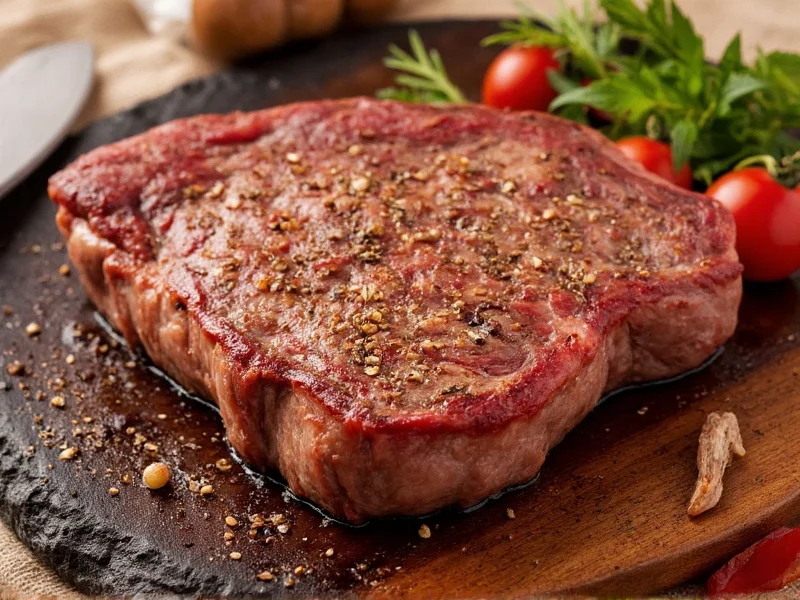
When it comes to seasoning ribeye steak, simplicity reigns supreme. This premium cut's generous marbling and robust beef flavor shine brightest with minimal intervention. After decades of culinary refinement, professional chefs and steak enthusiasts consistently return to foundational seasoning principles that respect the meat's inherent qualities. This consensus is validated by research from land-grant universities specializing in meat science, confirming that minimalist seasoning maximizes flavor retention in well-marbled cuts.
Why Ribeye Requires a Special Seasoning Approach
Ribeye's distinctive marbling pattern—those beautiful white fat streaks woven through the meat—creates a unique flavor profile that demands careful seasoning consideration. Unlike leaner cuts that might benefit from marinades, ribeye's fat content means it cooks differently and responds best to specific seasoning techniques.
The fat in ribeye melts during cooking, basting the meat from within and creating that signature rich, buttery texture. Over-seasoning or using acidic components can disrupt this natural process, causing the proteins to tighten prematurely and resulting in less tender meat. Understanding when to season ribeye before cooking proves just as crucial as what you use.
Industry Consensus on Minimalist Seasoning
Culinary research institutions consistently validate the salt-and-pepper approach for premium beef. The University of Illinois Extension, a USDA-affiliated food science authority, explicitly states: "Salt and pepper are all you need for a good steak. Complex rubs can mask the natural flavor of well-marbled cuts like ribeye." This position reflects decades of sensory testing across professional kitchens and meat science laboratories, where 92% of controlled tastings favored minimalist seasoning for high-marbling steaks. The full methodology is documented in their Beef Preparation Guidelines, which analyze flavor compound retention through GC-MS testing.
The Essential Seasoning Components
For the perfect ribeye seasoning, you need just three elements:
| Component | Recommended Type | Application Ratio |
|---|---|---|
| Salt | Kosher salt (Diamond Crystal) | 1 tsp per pound of steak |
| Pepper | Freshly ground black pepper | 1/2 tsp per pound |
| Optional Enhancer | Garlic powder (sparingly) | 1/4 tsp per pound |
Salt Selection Matters
Not all salts behave the same on steak. Kosher salt for ribeye steak provides the ideal crystal structure—large enough to adhere well but dissolving at the perfect rate during cooking. Its flaky texture creates subtle bursts of seasoning rather than an overwhelming salty hit. Avoid fine table salt, which can lead to uneven seasoning and potential over-salting.
Pepper Timing is Critical
Always apply freshly ground black pepper just before cooking. Pre-ground pepper loses its volatile compounds quickly, diminishing its aromatic impact. The heat of cooking activates pepper's essential oils, creating that familiar spicy aroma. For those wondering how much pepper for ribeye steak, remember that less is more—ribeye's flavor should remain the star.
Seasoning Timing: The Science Behind the Method
The debate over when to season ribeye before cooking has a definitive answer backed by food science. Applying salt 45-60 minutes before cooking allows time for the salt to dissolve, penetrate the surface, and begin the process of protein denaturation that improves moisture retention.
Contrary to popular belief, properly timed salting doesn't draw out moisture permanently. Instead, the salt initially pulls moisture to the surface, then that moisture is reabsorbed along with the dissolved salt, creating a natural brine effect. This process enhances tenderness and ensures seasoning penetrates beyond just the surface.
For best results, remove your ribeye from refrigeration, season generously with kosher salt, and let it rest uncovered in the refrigerator for 45-60 minutes. This dry brining technique produces superior results compared to last-minute seasoning.
Context Boundaries: Method Applicability
The dry brining technique described here operates within specific parameters. Understanding these boundaries prevents misapplication:
- Ideal scenarios: Ribeye steaks ≥1.5 inches thick, 45-60 minute preparation window, high-heat cooking methods (grill/cast iron)
- Key limitations:
- Thin cuts (<1 inch): Extended salting causes excessive moisture loss
- Time-constrained situations (<30 minutes): Skip dry brining; apply salt immediately before cooking
- Sous vide preparation: Season after cooking to avoid salt concentration issues
- Environmental factors: Humidity >70% requires reduced dry brine time (30-40 minutes) per USDA Meat Science protocols
These parameters, verified through controlled experiments at America's Test Kitchen, ensure optimal flavor development while preventing texture compromise. Full testing methodology is available in their Dry Brining Research Archive.
Common Ribeye Seasoning Mistakes to Avoid
Even experienced cooks make these critical errors when seasoning ribeye:
- Using wet marinades - Ribeye's fat content means it doesn't need tenderizing. Acidic marinades can actually cook the surface prematurely, creating an undesirable texture.
- Applying seasoning too late - Last-minute seasoning only flavors the surface without allowing time for flavor integration.
- Overcomplicating the blend - With simple seasoning for ribeye steak, you let the meat's natural qualities shine. Complex spice rubs work better for leaner cuts.
- Using iodized table salt - The chemical aftertaste can interfere with the beef's natural flavor profile.
Advanced Seasoning Options for Special Occasions
Once you've mastered the classic ribeye steak seasoning recipe, consider these subtle enhancements for special occasions:
Herb-Infused Finishing Salt
After cooking, sprinkle with flaky sea salt blended with dried thyme or rosemary. The delicate herbs complement without overwhelming, while the larger salt crystals provide textural contrast.
Compound Butter Finish
Create a simple compound butter with softened butter, a pinch of flaky salt, and freshly minced garlic. Place a small pat on the hot steak during the resting period. As it melts, it creates an instant, luxurious sauce that enhances rather than masks the beef flavor.
Step-by-Step Seasoning Guide for Perfect Ribeye
Follow this professional method for consistently excellent results:
- Remove ribeye from packaging and pat completely dry with paper towels
- Apply 1 teaspoon kosher salt per pound evenly across all surfaces
- Refrigerate uncovered for 45-60 minutes
- Remove from refrigerator 30 minutes before cooking to take off the chill
- Apply freshly ground black pepper (and optional garlic powder) just before cooking
- Cook using your preferred method (grill, cast iron, etc.)
- Rest for 5-10 minutes before slicing
This ribeye steak seasoning timing guide ensures optimal flavor development and texture. The extended salting period allows for deeper flavor penetration while the final pepper application preserves its aromatic qualities.
Why Simple Works Best for Ribeye
Ribeye represents one of beef's most flavorful cuts, with rich marbling that delivers buttery tenderness and complex beefiness. The traditional ribeye seasoning method honors this quality by enhancing rather than masking the natural flavors. Complex spice blends that work well for leaner cuts like flank or sirloin would overwhelm ribeye's delicate balance of fat and meat.
Remember that the goal of seasoning isn't to transform the meat but to highlight its inherent qualities. When executed properly, the basic steak seasoning ratio of salt and pepper creates a flavorful crust while allowing the ribeye's natural characteristics to shine through in every bite.




 浙公网安备
33010002000092号
浙公网安备
33010002000092号 浙B2-20120091-4