
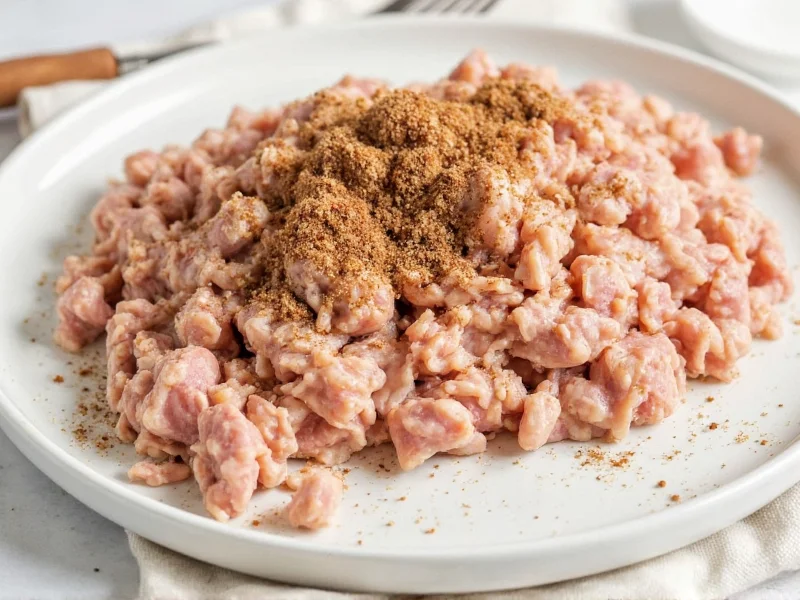
The best seasoning for ground turkey combines aromatic herbs, umami boosters, and balanced spices to compensate for its lean nature. For versatile results, use this foundational blend per pound of meat: 1 tsp garlic powder, 1 tsp onion powder, 1 tsp smoked paprika, 1/2 tsp dried thyme, 1/2 tsp black pepper, and 3/4 tsp sea salt. Add 1 tbsp Worcestershire sauce for depth and 1 tbsp tomato paste for moisture retention. This combination enhances turkey's mild flavor without overpowering it, creating perfectly seasoned meat for tacos, burgers, meatballs, or pasta sauces.
Why Ground Turkey Needs Strategic Seasoning
Ground turkey's lean composition (typically 93% lean) presents unique flavor challenges compared to beef. With less fat to carry and distribute flavors, seasonings must work harder to create a satisfying taste experience. The mild flavor profile of turkey requires more aromatic support while avoiding overpowering spice combinations that clash with poultry's delicate nature. Understanding these characteristics helps explain why generic beef seasoning blends often fall flat with ground turkey.
The Evolution of Lean Meat Seasoning Practices
Seasoning methodologies for ground turkey have evolved in direct response to shifting dietary patterns and nutritional science. Historical data shows U.S. per capita poultry consumption exceeded red meat for the first time in 2010 and has remained higher since, reflecting increased demand for lean protein options (USDA Economic Research Service, 2021). This transition created a critical need for seasoning strategies specifically designed for low-fat ground meats, as traditional beef-centric approaches failed to address turkey's unique moisture and flavor challenges.
Early 2000s recipes often simply reduced fat without compensating for flavor loss, resulting in bland preparations. Modern approaches now incorporate food science principles like strategic umami layering and moisture management, demonstrating how culinary practices adapt to evidence-based nutritional guidance. The current emphasis on acid balance and resting periods directly addresses physiological properties of lean proteins identified through decades of research.
Essential Components of Effective Turkey Seasoning
Creating balanced seasoning for ground turkey involves four critical elements that work synergistically:
| Component Type | Function | Top Recommendations |
|---|---|---|
| Aromatic Base | Builds foundational flavor | Garlic powder, onion powder, shallot powder |
| Herbal Elements | Complements poultry profile | Thyme, sage, oregano, rosemary |
| Umami Enhancers | Compensates for lower fat content | Worcestershire sauce, tomato paste, soy sauce |
| Acid Components | Brightens overall flavor | Lemon juice, apple cider vinegar, wine |
Unlike ground beef seasoning for turkey requires careful attention to moisture balance. The addition of wet ingredients like Worcestershire sauce (1 tablespoon per pound) helps maintain juiciness while delivering complex flavors. Acidic components should be added toward the end of cooking to preserve their brightening effect without causing the meat to become tough.
Cuisine-Specific Seasoning Blends
Adapting your seasoning approach based on the final dish creates restaurant-quality results at home. These tailored blends address specific culinary applications while respecting turkey's unique properties.
American Classic Blend (Burgers & Meatloaf)
For hearty American dishes, combine 1 tsp garlic powder, 1 tsp onion powder, 1/2 tsp celery seed, 1/2 tsp smoked paprika, 1/4 tsp cayenne (optional), 3/4 tsp salt, and 1/2 tsp black pepper per pound. Add 1 tbsp Worcestershire sauce and 2 tbsp finely grated parmesan. This best seasoning for turkey burgers creates a savory crust while maintaining moisture. The parmesan adds umami that compensates for turkey's lean nature.
Mexican-Inspired Blend (Tacos & Enchiladas)
Create authentic-tasting ground turkey tacos with 1 tsp cumin, 1 tsp chili powder, 1/2 tsp smoked paprika, 1/2 tsp garlic powder, 1/4 tsp oregano, 3/4 tsp salt, and 1/2 tsp black pepper per pound. Include 1 tbsp tomato paste and the juice of 1/2 lime. The tomato paste helps retain moisture during cooking, while the lime juice brightens flavors after cooking. This optimal seasoning for ground turkey in Mexican dishes delivers complex flavor without overwhelming heat.
Mediterranean Blend (Meatballs & Stuffed Peppers)
For Mediterranean applications, use 1 tsp dried oregano, 1/2 tsp dried mint, 1 tsp garlic powder, 1/2 tsp lemon zest, 3/4 tsp salt, and 1/2 tsp black pepper per pound. Incorporate 1 tbsp olive oil and 2 tbsp finely chopped fresh parsley. The mint-lemon combination complements turkey's mild flavor while creating authentic Mediterranean taste profiles. This seasoning blend for ground turkey meatballs provides the right balance of herbal notes without bitterness.
Professional Techniques for Perfectly Seasoned Turkey
Mastering ground turkey seasoning involves more than just ingredient selection. These professional techniques ensure consistently excellent results:
Timing Matters: When to Season
Unlike beef, ground turkey benefits from a brief resting period after seasoning. Mix seasonings thoroughly, then let the meat rest refrigerated for 15-30 minutes before cooking. This allows flavors to penetrate while giving salt time to modify the protein structure, improving moisture retention. For dishes with extended cooking times like meatloaf, season the meat the night before for maximum flavor development.
Moisture Management Strategies
The lean nature of ground turkey requires strategic moisture management. Incorporate 1-2 tablespoons of high-fat ingredients per pound: grated cheese, olive oil, or even a small amount of mayonnaise. These additions create moisture pockets that prevent dryness without compromising the health benefits of choosing turkey. When making turkey meatballs, adding 1 tablespoon of milk-soaked breadcrumbs per pound significantly improves texture.
Flavor Testing Protocol
Always test your seasoned ground turkey before committing to the full batch. Cook a small patty in a nonstick skillet, then taste and adjust. Remember that flavors intensify slightly during cooking, so season conservatively at first. The ideal seasoning for ground turkey tacos should taste slightly under-seasoned raw, as the flavors will concentrate during cooking. This technique prevents over-seasoning, a common mistake when working with lean proteins.
Common Seasoning Mistakes to Avoid
Even experienced cooks make these critical errors when seasoning ground turkey:
- Overlooking acid balance - Turkey benefits from brightening elements that many forget to include
- Using beef seasoning ratios - Turkey requires more aromatic support due to its milder flavor
- Adding liquid ingredients too late - Wet components should be incorporated during mixing, not after cooking
- Ignoring resting time - Skipping the 15-30 minute rest after seasoning reduces flavor penetration
- Over-handling the meat - Excessive mixing creates dense, tough texture in lean proteins
Understanding these pitfalls helps create consistently delicious results with the best seasoning combinations for ground turkey. Remember that the ideal seasoning blend for ground turkey meatloaf differs from that for turkey burgers, as cooking methods affect flavor development.
Critical Context Boundaries for Seasoning Success
Understanding when not to use certain techniques prevents failures and ensures safety. These evidence-based boundaries address critical limitations:
- Sugar-containing blends at high heat: Avoid searing ground turkey with sugar-based seasonings above 350°F. Sugar begins burning at 320°F while turkey requires cooking to 165°F internal temperature for safety, often resulting in burnt exteriors before the meat is fully cooked (USDA Food Safety and Inspection Service, 2023).
- Ultra-lean turkey (99%): For 99% lean ground turkey, increase moisture enhancers by 50% (e.g., 1.5 tbsp Worcestershire sauce per pound) and reduce salt by 25%. Minimal fat content cannot buffer sodium perception or retain moisture like standard 93% lean products.
- Extended marinating: Do not marinate ground turkey longer than 24 hours, as acid components can denature proteins excessively, creating a mushy texture (American Meat Science Association, 2020).
Seasoning Adjustments for Dietary Considerations
When accommodating special dietary needs, these seasoning modifications maintain flavor without compromising requirements:
- Low-sodium diets: Replace salt with 1 tsp nutritional yeast + 1/2 tsp potassium chloride. Boost aromatics with extra garlic and onion powder.
- Gluten-free needs: Ensure Worcestershire sauce is gluten-free (Lea & Perrins contains barley). Substitute with coconut aminos for similar umami.
- Keto-friendly options: Increase healthy fats with 1 tbsp olive oil or avocado oil per pound to compensate for turkey's leanness.
- Allium sensitivity: Replace garlic and onion powders with 1 tsp asafoetida (hing) and 1 tsp celery seed for similar aromatic properties.
These adaptations demonstrate how the best seasoning for lean ground turkey can be customized while maintaining flavor integrity. The key is understanding flavor chemistry rather than relying on rigid recipes.




 浙公网安备
33010002000092号
浙公网安备
33010002000092号 浙B2-20120091-4