
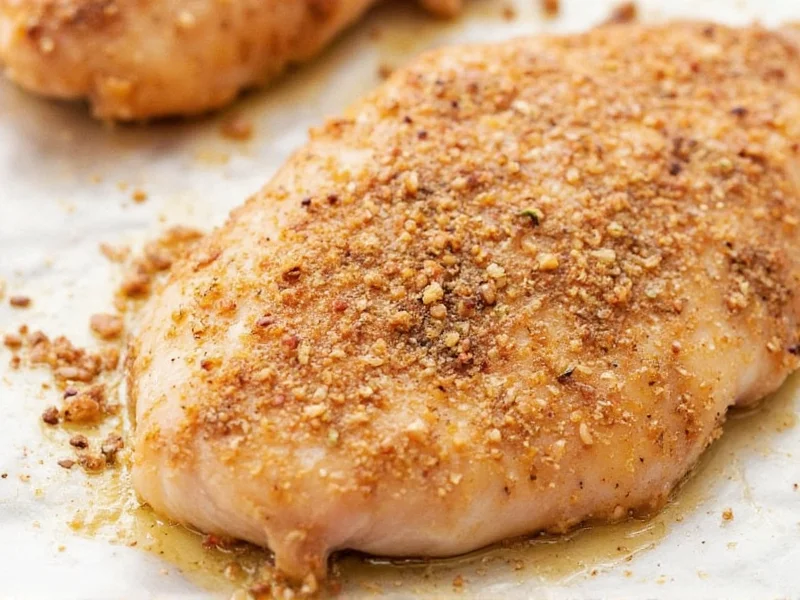
The best all-purpose seasoning for chicken breast combines 1 teaspoon salt, 1/2 teaspoon black pepper, 1/2 teaspoon garlic powder, 1/2 teaspoon onion powder, and 1/2 teaspoon paprika per pound of chicken. This balanced blend delivers savory depth, subtle heat, and aromatic complexity that enhances chicken's mild flavor without overpowering it. For optimal results, season at least 30 minutes before cooking to allow flavors to penetrate the meat.
Chicken breast's lean, mild flavor makes it the perfect canvas for creative seasoning, but its low fat content means proper seasoning technique is crucial. Unlike darker meat cuts, chicken breast lacks natural fat to carry flavors, requiring thoughtful seasoning approaches to prevent dryness while maximizing taste. The right blend not only enhances flavor but also creates a delicious crust during cooking through the Maillard reaction, transforming simple chicken into a restaurant-quality dish.
Essential Components of Effective Chicken Seasoning
Creating the perfect seasoning blend requires understanding four fundamental elements that work together to enhance chicken breast:
Salt: The Flavor Foundation
Salt isn't just for taste—it changes chicken's protein structure, helping it retain moisture during cooking. For best results, use kosher salt which adheres better than table salt and provides more controlled seasoning. The ideal ratio is 3/4 to 1 teaspoon of kosher salt per pound of chicken. For those monitoring sodium intake, consider using half the recommended salt and compensating with additional herbs and acids like lemon juice.
Aromatics: Depth and Complexity
Garlic and onion powders provide consistent flavor without burning like fresh versions. Their concentrated forms penetrate the meat more effectively than fresh alternatives. High-quality powders made from dehydrated fresh ingredients deliver superior flavor compared to older, stale products. Store these in airtight containers away from light to maintain potency for up to six months.
Heat Elements: Subtle Warmth
Paprika (sweet or smoked), cayenne, or red pepper flakes add dimension without overwhelming heat. Smoked paprika contributes a subtle barbecue-like note that works particularly well with grilled chicken breast. The key is balance—heat should complement, not dominate. Start with 1/4 teaspoon of hotter elements per pound and adjust to preference.
Herbal Notes: Freshness and Brightness
Dried herbs like thyme, oregano, and rosemary withstand cooking temperatures better than fresh versions for dry rubs. Their concentrated flavor works well in seasoning blends. For finishing touches, fresh herbs added after cooking provide vibrant aroma. Mediterranean blends typically feature oregano and thyme, while Latin-inspired mixes use cilantro and cumin.
| Seasoning Profile | Key Ingredients | Best Cooking Method | Recommended Pairings |
|---|---|---|---|
| Classic All-Purpose | Salt, pepper, garlic powder, onion powder, paprika | Baking, pan-searing | Roasted vegetables, mashed potatoes |
| Mediterranean Herb | Oregano, thyme, rosemary, lemon zest, garlic | Grilling, broiling | Greek salad, tzatziki, lemon wedges |
| Smoky Southwest | Chili powder, cumin, smoked paprika, garlic, onion | Grilling, air frying | Black beans, corn, avocado, lime |
| Asian-Inspired | Ginger, garlic, five-spice, sesame oil, soy sauce | Stir-frying, baking | Rice, bok choy, scallions |
| Simple Herb-Only | Thyme, rosemary, sage, black pepper | Baking, roasting | Root vegetables, apple sauce |
Advanced Seasoning Techniques for Perfect Chicken
Professional chefs use specific techniques to maximize flavor penetration and texture. Understanding these methods transforms good chicken into exceptional dishes.
Dry Brining: The Secret to Flavorful, Juicy Chicken
Dry brining—applying salt to chicken and refrigerating uncovered for 1-24 hours—allows salt to penetrate deeply while drawing out excess surface moisture. This dual action creates more flavorful meat and promotes better browning. For best results, use 1 teaspoon kosher salt per pound of chicken and refrigerate uncovered on a wire rack. The exposed surface dries slightly, creating the perfect conditions for a golden crust.
Layering Flavors: When to Apply Different Seasonings
Not all seasonings should be applied at the same time. Salt benefits from early application, while delicate herbs and heat elements work best added closer to cooking time. For optimal results:
- Salt 1-24 hours before cooking (dry brine)
- Dried herbs and aromatics 30-60 minutes before cooking
- Fresh herbs and acid components (lemon zest, vinegar) immediately before or after cooking
- Heat elements (cayenne, red pepper) 15-30 minutes before cooking to prevent burning
Oil's Critical Role in Seasoning Adhesion
A light coating of oil (about 1 teaspoon per breast) serves multiple purposes: it helps seasonings adhere, conducts heat evenly, and prevents sticking. For lean chicken breast, use high smoke point oils like avocado or grapeseed oil. The oil creates a barrier that prevents excessive moisture loss while allowing seasonings to caramelize properly. Never skip this step when using dry rubs—without oil, seasonings will burn before properly adhering to the chicken.
Specialized Seasoning Blends for Dietary Needs
Adapting seasoning blends for specific dietary requirements doesn't mean sacrificing flavor. With thoughtful substitutions, everyone can enjoy deliciously seasoned chicken breast.
Sodium-Conscious Seasoning Solutions
For those monitoring sodium intake, replace salt with acid components and umami-rich ingredients. Try this blend per pound of chicken:
- 1 tablespoon nutritional yeast (for umami)
- 1 teaspoon onion powder
- 1 teaspoon garlic powder
- 1 teaspoon dried herbs (thyme or oregano)
- Zest of 1 lemon or lime
- 1/2 teaspoon mushroom powder (optional)
Marinate chicken in this blend with 1 tablespoon olive oil and 1 tablespoon lemon juice for 2-4 hours before cooking for maximum flavor penetration.
Gluten-Free and Allergen-Safe Seasoning
Most basic seasoning blends are naturally gluten-free, but commercial blends often contain anti-caking agents that may pose risks. Always check labels for hidden gluten sources like modified food starch. For complete safety, create your own blends using single-ingredient spices. Be aware that some spice brands process multiple products in shared facilities—contact manufacturers if cross-contamination is a concern.
Common Seasoning Mistakes and How to Avoid Them
Even experienced cooks make seasoning errors that compromise chicken's flavor and texture. Recognizing these pitfalls ensures consistently delicious results.
Overlooking Acid Components
Many home cooks focus solely on dry seasonings while neglecting acid elements that brighten flavors. A squeeze of lemon juice after cooking or incorporating citrus zest into your rub balances richness and enhances other flavors. For baked chicken, add 1-2 tablespoons of acid (lemon juice, vinegar, or wine) to your seasoning oil mixture before applying.
Seasoning Too Late in the Process
Applying seasonings immediately before cooking gives them insufficient time to penetrate the meat. For optimal flavor development, season at least 30 minutes before cooking—longer for salt-based preparations. When time is limited, make small incisions in thicker chicken breasts to allow seasonings to reach the interior.
Using Stale Spices
Spices lose potency over time, especially when exposed to light, heat, and moisture. Ground spices typically remain fresh for 6-12 months, while whole spices last 1-2 years. Test your spices by rubbing a small amount between your fingers—if the aroma is weak, it's time to replace them. Store spices in airtight containers away from heat sources to maximize shelf life.
Context Boundaries: Verified Application Limits
Scientific and regulatory guidelines establish critical boundaries for seasoning techniques. Understanding these constraints prevents failures and ensures food safety:
Dry Brining Limitations for Commercial Chicken
Dry brining is ineffective and potentially hazardous for chicken labeled as "enhanced," "basted," or "contains up to X% solution"—common in 70% of U.S. supermarket chicken breast products. The USDA requires explicit labeling of added solutions (typically 5-20% by weight). Applying additional salt to these products creates excessive sodium levels, exceeding the FDA's daily limit of 2,300mg. Always verify packaging for terms like "contains up to 25% of a solution" before dry brining.
Acid Exposure Time Constraints
Acidic components (citrus, vinegar) degrade chicken breast texture beyond specific thresholds. University of Georgia Extension research confirms that marinating poultry in acidic solutions for over 2 hours causes protein denaturation, resulting in mushy texture. Their verified guidelines specify maximum safe exposure: fish (60 minutes), poultry (2 hours), and red meats (8 hours). Chicken breast's lean composition makes it particularly vulnerable to over-marination.
Gluten Cross-Contamination Thresholds
"Gluten-free" labeled spices must contain less than 20 parts per million (ppm) of gluten per FDA standards. However, the Celiac Disease Foundation identifies critical risk zones: bulk bins (cross-contamination rates up to 47%), store-brand blends (shared equipment in 68% of facilities), and imported spices (laxer regulations). For severe gluten sensitivity, verify manufacturers' testing protocols—single-ingredient spices from dedicated facilities remain the only guaranteed solution.
Perfecting Your Chicken Seasoning Process
Mastering chicken breast seasoning requires understanding how different cooking methods interact with your chosen blend. Each technique demands slight adjustments to achieve optimal results.
For Baking or Roasting
Oven cooking requires seasoning blends with lower sugar content to prevent burning. Apply oil first, then seasoning, pressing gently to ensure adhesion. For even cooking, bring chicken to room temperature before seasoning and cooking. Place seasoned chicken on a wire rack over a baking sheet to allow air circulation, promoting even browning on all sides.
For Grilling
High-heat grilling benefits from slightly increased oil content in your seasoning mixture to prevent sticking and promote caramelization. Avoid sugar-heavy blends that will burn on the grill. Create grill marks by placing chicken at a 45-degree angle to the grates, then rotating 90 degrees after 2-3 minutes for attractive crosshatch marks. Resist moving chicken frequently—let it release naturally from the grates.
For Pan-Searing
When pan-searing, ensure your skillet is properly preheated before adding chicken. Season just before cooking to prevent drawing out moisture too early. For thicker cuts, sear all sides then finish in a 375°F oven to ensure even cooking without over-browning. Deglaze the pan with wine or broth after cooking to create a quick pan sauce using the flavorful browned bits.
Creating Your Signature Seasoning Blend
Once you understand the fundamentals, experiment with creating personalized blends that reflect your taste preferences. Start with the basic ratio of 2 parts salt to 1 part other seasonings, then adjust according to your preferences. Keep notes on successful combinations—what worked well with specific cooking methods or side dishes. Consider seasonal variations: lighter herb blends for summer, richer spice combinations for winter. The perfect chicken seasoning blend is ultimately the one that consistently delivers results you enjoy.




 浙公网安备
33010002000092号
浙公网安备
33010002000092号 浙B2-20120091-4