
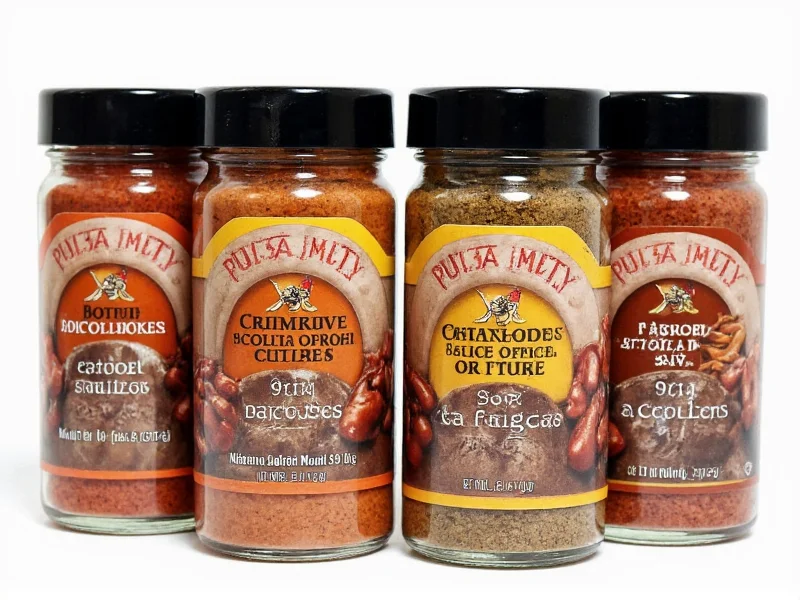
Creating exceptional homemade sausage begins with understanding spice chemistry and regional traditions. While personal preferences play a role, certain spices consistently deliver optimal results across meat types. This guide explores scientifically backed ratios, flavor interactions, and cultural variations to help you craft perfectly seasoned sausages every time.
Essential Spice Components for All Sausages
Every successful sausage blend starts with three non-negotiable elements:
- Salt—acts as both flavor enhancer and preservative, critical for protein extraction
- Freshly ground black pepper—provides aromatic heat that dried pepper cannot match
- Garlic—fresh minced garlic offers superior flavor complexity compared to powder
These components form the flavor foundation. Omitting any significantly diminishes the final product's depth. For food safety and texture, maintain salt at 1.5-2% of total meat weight. Lower concentrations risk bacterial growth in fresh sausages, while higher amounts create unpleasant saltiness.
Regional Spice Profiles and Authentic Blends
Different culinary traditions developed distinct spice combinations based on local ingredients and preservation needs. Understanding these helps recreate authentic flavors:
| Sausage Type | Signature Spices | Key Ratio (per 5 lbs meat) | Flavor Profile |
|---|---|---|---|
| Italian Sweet | Fennel seeds, red pepper flakes | 2 tbsp fennel, 1 tsp flakes | Bright, aromatic, mildly sweet |
| Italian Hot | Fennel, cayenne, crushed red pepper | 1.5 tbsp fennel, 1.5 tsp cayenne | Complex heat with herbal notes |
| German Bratwurst | Nutmeg, mace, ginger | 1 tsp nutmeg, 0.5 tsp mace | Warm, slightly sweet, aromatic |
| Breakfast Sausage | Sage, thyme, red pepper | 2 tbsp sage, 1 tsp thyme | Earthy, slightly peppery |
| Chorizo | Smoked paprika, oregano, cumin | 3 tbsp smoked paprika, 1 tsp cumin | Rich, smoky, complex |
Historical Development of Sausage Spice Traditions
Sausage spice evolution reflects centuries of trade, preservation needs, and cultural adaptation. Key milestones verified through Purdue University's food science research include:
- 1st Century CE: Roman texts (De Re Coquinaria) document early use of black pepper and garum (fermented fish sauce) in sausages, establishing foundational preservation techniques
- 12th-15th Century: Medieval spice trade introduced ginger and saffron to Central European sausages after the First Crusade, later replaced by more accessible local spices like mustard seed
- 16th Century: Columbian Exchange brought New World peppers to Spain, creating modern chorizo with smoked paprika replacing costly saffron
- 1840s: German immigration to America standardized bratwurst spice ratios using mace and nutmeg, documented in USDA's Meat Product Recipe Cookbook
This historical progression explains why certain spices became regionally dominant, as shown in our spice profile table. The shift from scarce luxury spices to locally available alternatives directly shaped today's authentic blends.
Optimal Spice Measurements and Ratios
Precise measurements separate professional-quality sausages from amateur attempts. The ideal spice-to-meat ratio follows these guidelines:
- Total spice blend should constitute 0.5-1.5% of meat weight
- Strong spices (cayenne, cloves) should not exceed 0.1% individually
- Medium-intensity spices (paprika, mustard seed) stay below 0.5%
- Milder spices (fennel, sage) can reach 1% of total weight
For a standard 5-pound batch, this translates to 1.5-4.5 tablespoons of total spices. Exceeding these proportions creates unbalanced flavors where spices dominate rather than complement the meat. Always mix spices thoroughly with 1/4 cup ice-cold liquid (water, wine, or vinegar) before incorporating into meat for even distribution.
Fresh vs. Dried Spices: When to Use Each
The form of your spices significantly impacts final flavor:
Fresh spices work best for:
- Garlic (minced)
- Herbs like parsley and thyme
- Ginger (grated)
Dried spices are preferable for:
- Peppercorns (freshly ground)
- Fennel seeds
- Paprika and chili powders
Dried spices have concentrated flavors that withstand cooking temperatures better than fresh counterparts. However, dried herbs lose potency after 6 months—always check freshness before use. For best results, toast whole spices like mustard seed and coriander before grinding to release essential oils.
Avoiding Common Sausage Seasoning Mistakes
Even experienced home butchers make these frequent errors:
- Adding spices to cold meat—always bring meat to 35-40°F before mixing to prevent fat smearing
- Over-mixing after adding spices—causes texture issues and uneven distribution
- Using pre-ground spices exclusively—freshly ground whole spices provide superior flavor complexity
- Skipping the taste test—always cook a small patty before stuffing to adjust seasoning
The critical step many overlook is testing seasoning balance. Remove 2 ounces of seasoned meat, form a small patty, and pan-fry. Taste and adjust before proceeding—this prevents wasting entire batches. Remember that flavors mellow slightly during curing and cooking, so initial seasoning should taste slightly stronger than desired.
Contextual Factors for Spice Ratio Adjustments
Standard ratios require modification under specific conditions to maintain safety and palatability, as verified by USDA guidelines:
- Low-sodium requirements: Reducing salt below 1.5% in fresh sausages increases pathogen risk. For medically necessary restrictions, substitute potassium chloride for ≤50% of salt (USDA Meat Product Recipe Cookbook, p. 12)
- Smoking processes: Liquid smoke requires 20-30% less complementary spices like paprika to avoid flavor imbalance (University of Minnesota Extension Making Sausage at Home, 2022)
- Game meat characteristics: Venison requires 10% more salt (max 2.2% total) for water-holding capacity but 15% less strong spices to avoid overpowering delicate flavors (USDA Safe Handling of Wild Game)
These contextual boundaries prevent unsafe formulations while accommodating dietary needs and processing methods. Always validate adjustments through small-batch testing.
Specialty Sausage Spice Considerations
Certain sausage varieties require unique spice approaches:
Smoked sausages: Reduce paprika by 25% since smoking adds its own flavor dimension. Increase black pepper slightly to cut through smokiness.
Breakfast sausages: Balance sage's bitterness with a pinch of nutmeg (1/8 tsp per pound) and a touch of sweetness (1/2 tsp maple sugar per pound).
Game meat sausages: Counter strong flavors with additional juniper berries (1 tsp per pound) and rosemary (1/2 tsp per pound), reducing salt by 10% to avoid overpowering delicate game notes.
Proper Spice Storage for Sausage Making
Spice quality directly impacts final product. Follow these storage guidelines:
- Whole spices last 2-3 years in airtight containers away from light
- Ground spices maintain potency for 6-12 months
- Chili powders degrade fastest—use within 6 months
- Refrigerate seed spices (fennel, mustard) for extended freshness
Test spice freshness by rubbing between fingers and smelling—weak aroma indicates degradation. For critical batches, replace borderline spices. Properly stored spices maintain consistent flavor profiles essential for replicating successful recipes.
Final Recommendations for Perfect Sausage Seasoning
Mastering sausage spices combines science and tradition. Start with foundational ratios, then adjust based on meat type, fat content, and personal preference. Always prioritize fresh, high-quality spices and precise measurements over guesswork. Remember that salt concentration affects both safety and flavor extraction—never reduce below 1.5% for fresh sausages. With these principles, you'll consistently create well-balanced, flavorful sausages that showcase both the meat and spices harmoniously.




 浙公网安备
33010002000092号
浙公网安备
33010002000092号 浙B2-20120091-4