
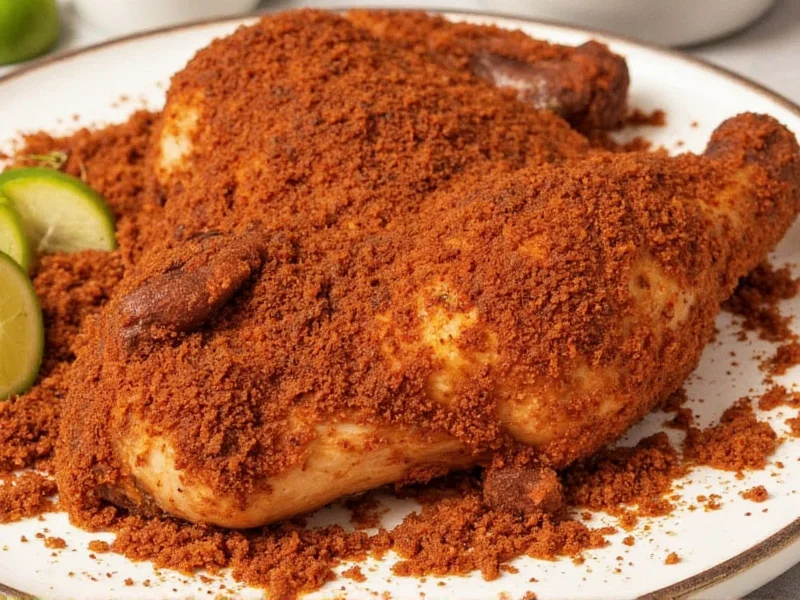
Creating the perfect dry rub for poultry requires understanding how different ingredients interact with chicken, turkey, and other birds. Unlike beef or pork, poultry has more delicate flavors that can be easily overwhelmed by aggressive seasoning. The ideal poultry dry rub strikes a balance between enhancing natural flavors and adding complexity without masking the bird's inherent taste.
Why Poultry Requires a Specialized Dry Rub
Poultry's relatively mild flavor profile demands a more nuanced approach to seasoning compared to red meats. Chicken and turkey absorb flavors differently due to their protein structure and fat distribution. The best dry rubs for poultry incorporate ingredients that complement rather than compete with these characteristics.
Scientifically, poultry benefits from rubs containing moderate salt levels (about 5% of the total rub weight) which helps with moisture retention through osmosis. The addition of sugar aids in Maillard reaction during cooking, creating that desirable golden-brown crust without burning, as poultry generally cooks at lower temperatures than red meats.
| Characteristic | Poultry Rub | Beef/Pork Rub | Scientific Basis |
|---|---|---|---|
| Salt concentration | Moderate (5% of rub weight) | Higher (8-10%) | Poultry's lower fat content requires less salt for moisture retention without drying |
| Sugar content | Lower (15-20% of rub) | Higher (25-30%) | Poultry's lower cooking temperatures reduce caramelization efficiency, requiring less sugar to prevent burning |
| Herb intensity | Delicate (thyme, rosemary) | Robust (oregano, chili) | Poultry's mild flavor is easily overwhelmed by strong herbs |
| Acid components | Optional (citric acid) | Rarely used | Poultry benefits from slight acidity to balance mildness, while red meats have natural acidity |
Source: University of Florida IFAS Extension, Meat Composition and Quality
Essential Components of an Effective Poultry Dry Rub
A well-constructed poultry dry rub contains five key elements working in harmony:
- Salt foundation - Sea salt or kosher salt provides necessary seasoning and moisture control
- Sweet element - Brown sugar or a touch of honey powder balances savory notes
- Aromatic base - Garlic and onion powders create depth without raw pungency
- Color and mild heat - Paprika (sweet or smoked) adds visual appeal and subtle warmth
- Herbal notes - Dried thyme, rosemary, or sage provide earthy complexity
| Ingredient | Primary Function | Recommended Amount per 4 lbs Poultry |
|---|---|---|
| Kosher salt | Moisture control, flavor enhancement | 1/4 cup |
| Brown sugar | Caramelization, flavor balance | 2 tablespoons |
| Paprika (sweet or smoked) | Color, mild heat, depth | 2 tablespoons |
| Garlic powder | Aromatic base, savory notes | 1 tablespoon |
| Dried thyme | Herbal complexity, earthiness | 1 tablespoon |
Creating Your Signature Poultry Dry Rub
While the basic formula provides excellent results, personalizing your dry rub can elevate your poultry dishes. Consider these professional tips when crafting your perfect blend:
- Freshness matters - Use spices within 6 months of opening for maximum potency. Whole spices ground just before mixing create noticeably better flavor than pre-ground options.
- Acid balance - A small amount of citric acid (1/4 teaspoon per cup of rub) can brighten flavors without making the rub wet.
- Texture consideration - For better adhesion, ensure your rub contains a mix of fine and coarse particles. A mortar and pestle can help achieve the ideal consistency.
- Resting time - Apply the rub at least 1 hour before cooking (up to 24 hours for whole birds) to allow flavors to penetrate.
Contextual Application Boundaries
While the recommended dry rub formula delivers excellent results across various poultry preparations, understanding its limitations ensures optimal performance. This rub excels in scenarios allowing sufficient resting time and moderate cooking temperatures, but faces constraints in specific contexts:
- Resting time dependency: The rub requires minimum 1 hour of refrigerated resting to develop flavor penetration. As noted by food safety experts at University of Illinois Extension, dry seasonings need time to interact with meat surfaces, making this rub unsuitable for last-minute seasoning before quick-cooking methods.
- Cooking method constraints: Ideal for roasting (325-375°F), smoking, and slow-cooking. Not recommended for high-heat searing (above 450°F) without sugar reduction, as poultry's lower fat content accelerates sugar caramelization to burning point.
- Poultry type variations: Works best with chicken and turkey. For duck or goose (higher fat content), reduce sugar by 50% and increase aromatic spices to counter richness. Not formulated for game birds like pheasant which require more robust seasoning.
- Skin condition requirement: Maximally effective on skin-on poultry. For skinless cuts, combine with 1 tsp oil per pound to improve rub adhesion and prevent drying.
Recognizing these boundaries helps adapt the rub to specific culinary situations while maintaining food safety standards. Always refrigerate seasoned poultry during resting periods to prevent bacterial growth, as emphasized by USDA guidelines.
Application Techniques for Maximum Flavor
How you apply your dry rub significantly impacts the final result. For optimal flavor development:
- Dry the poultry surface thoroughly with paper towels before application
- Apply 1-2 teaspoons of rub per pound of poultry, massaging gently into the skin
- For whole birds, carefully loosen the skin and apply some rub directly to the meat
- Cover and refrigerate for at least 1 hour (4-12 hours is ideal)
- Remove from refrigerator 30 minutes before cooking to take the chill off
When cooking at high temperatures (above 400°F/200°C), reduce sugar content slightly to prevent burning. For smoking or slow roasting, you can increase the sugar component by 25% for enhanced caramelization.
Regional Variations and Specialized Blends
Adapting your dry rub to specific cooking styles or cultural preferences can create exciting flavor profiles:
- Mediterranean poultry rub - Increase dried oregano and add lemon zest for Greek-inspired dishes
- Cajun-style poultry rub - Add cayenne, white pepper, and celery seed for spicy Louisiana flavor
- Asian-inspired poultry rub - Incorporate ginger powder, five-spice, and a touch of sesame
- Herbes de Provence variation - Use equal parts dried lavender, thyme, rosemary, and savory
For holiday roasting, consider adding a pinch of ground allspice or nutmeg to traditional blends. When cooking turkey specifically, increase the thyme content by 50% as it complements turkey's natural flavor exceptionally well.
Troubleshooting Common Dry Rub Issues
Even experienced cooks encounter challenges with dry rubs. Here's how to address common problems:
- Rub burning during cooking - Reduce sugar content, lower cooking temperature, or apply rub after initial searing
- Flavors not penetrating - Ensure proper resting time, apply under the skin, or make small incisions in thicker areas
- Overly salty results - Use a salt shaker with fewer holes or mix salt with other ingredients first before applying
- Rub not adhering well - Pat poultry completely dry before application or use a light coating of neutral oil first
Remember that cooking method affects rub performance. Grilling requires slightly less sugar to prevent burning, while roasting benefits from the full sugar content for better browning. Air fryer cooking works best with reduced sugar and increased salt for optimal crisping.
Storing and Shelf Life of Homemade Dry Rubs
Proper storage maintains your dry rub's potency. Store in an airtight container away from light and heat. Most homemade dry rubs retain optimal flavor for 3-6 months. For extended shelf life:
- Use dark glass containers instead of plastic
- Include a silica gel packet to absorb moisture
- Store in the refrigerator for up to 9 months
- Freeze in small portions for up to 1 year (thaw before use)
Check rub freshness by rubbing a small amount between your fingers and smelling. If the aroma is weak or musty, it's time to make a fresh batch. Never use a dry rub that shows signs of moisture, clumping, or discoloration.




 浙公网安备
33010002000092号
浙公网安备
33010002000092号 浙B2-20120091-4