
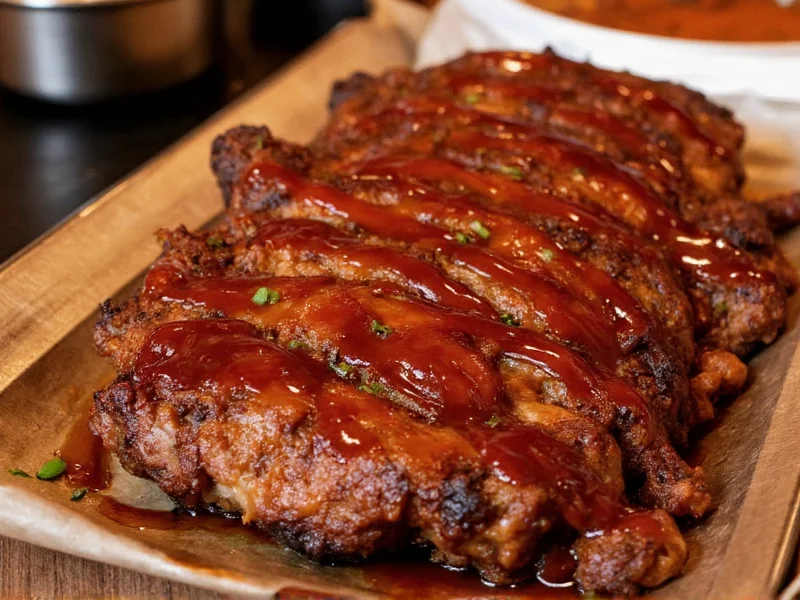
When searching for the perfect Korean barbecue sauce, understanding what makes an authentic blend is essential. Korean BBQ sauce isn't a single standardized product but rather a category of sauces that share core characteristics while varying in specific formulations. The foundation of any quality Korean barbecue sauce rests on several key elements that create that distinctive umami-rich, slightly sweet, and gently spicy profile beloved in Korean cuisine.
What Makes Korean Barbecue Sauce Authentic
Authentic Korean barbecue sauce centers around gochujang, Korea's iconic fermented red pepper paste. This ingredient provides the characteristic deep red color, complex fermented flavor, and moderate heat that defines genuine Korean BBQ sauces. Unlike American-style BBQ sauces that often rely heavily on tomato and vinegar, traditional Korean versions emphasize fermented ingredients and natural sweetness.
The ideal balance includes:
- Gochujang as the primary base (providing depth and moderate heat)
- Soy sauce or ganjang (Korean soy sauce) for saltiness
- Natural sweeteners like Asian pear, honey, or rice syrup
- Fresh garlic and ginger for aromatic complexity
- Sesame oil for nutty finish
- Rice vinegar for subtle acidity
Authentic sauces avoid artificial colors, high-fructose corn syrup, and excessive preservatives that compromise flavor quality. The best korean barbecue sauce for bulgogi specifically balances sweetness to complement the marinated beef without overwhelming its natural flavor.
Historical Evolution of Korean BBQ Sauce
The development of Korean barbecue sauce reflects centuries of culinary adaptation. Understanding this evolution provides context for modern formulations and ingredient choices:
| Era | Culinary Development | Key Ingredient Shifts |
|---|---|---|
| Goguryeo (37 BC-668 AD) | "Maekjeok" (grilled skewered meat) emerged as royal cuisine | No marinade; meat seasoned only with salt |
| Joseon Dynasty (1392-1910) | "Neobiani" (thinly sliced grilled beef) developed for commoners | Basic marinade of soy sauce, sesame oil, and garlic introduced |
| Post-Korean War (1950s) | Bulgogi became street food staple; sweet profile emerged | Fruit (pear/apple) added for sweetness and tenderizing |
| Modern Era (1980s-Present) | Global standardization; gochujang became signature ingredient | Commercial sauces formalized balanced sweet-spicy profile |
This progression demonstrates how resource availability and cultural exchange shaped today's standard formulation. The Korean Food Foundation documents that gochujang's prominence in BBQ sauces solidified in the 1980s as Korean cuisine gained global recognition, moving beyond earlier soy-based preparations (Korean Food History Archives).
Top Store-Bought Options Compared
When evaluating commercial Korean barbecue sauces, focus on ingredient quality rather than brand popularity. Here's an objective comparison of widely available options:
| Brand | Key Ingredients | Flavor Profile | Special Features |
|---|---|---|---|
| Chung Jung One | Gochujang, garlic, pear, sesame oil | Traditional balanced sweet-spicy | No artificial preservatives, gluten-free option |
| Seoul Saus | Fermented soybean paste, apple, ginger | Milder, fruit-forward | Organic ingredients, vegan |
| Maangchi Signature | Traditional gochujang base, roasted sesame | Rich umami with moderate heat | Created by renowned Korean cooking expert |
| Plain K | Simple ingredient list, minimal processing | Clean, authentic taste | Focus on traditional preparation methods |
When selecting store-bought sauce, check for gochujang as one of the first ingredients and avoid products where sugar or corn syrup appears before traditional Korean ingredients. The best korean barbecue sauce ingredients list should read like a recipe rather than a chemistry experiment.
Simple Homemade Korean BBQ Sauce Recipe
Creating your own authentic korean bbq sauce recipe gives you complete control over ingredients and flavor balance. This basic recipe yields approximately 1 cup:
- ¼ cup gochujang (Korean red pepper paste)
- 2 tablespoons soy sauce (or tamari for gluten-free)
- 2 tablespoons honey or maple syrup
- 2 tablespoons rice vinegar
- 2 tablespoons sesame oil
- 3 cloves garlic, minced
- 1 tablespoon fresh ginger, grated
- 1 small Asian pear or apple, grated (for natural sweetness)
- 1 teaspoon sesame seeds
Instructions: Whisk all ingredients together in a bowl until smooth. For a thinner consistency suitable as a marinade, add 1-2 tablespoons of water. Let the sauce rest for at least 30 minutes before using to allow flavors to meld. Store in an airtight container in the refrigerator for up to two weeks.
This homemade version offers the advantage of fresh ingredients without preservatives. The authentic korean bbq sauce recipe can be adjusted to personal preference—add more gochujang for heat, more pear for sweetness, or additional garlic for pungency.
Choosing Based on Your Dietary Needs
Different dietary requirements affect which Korean barbecue sauce works best for your needs. Critical context boundaries include:
- Gluten-free limitations: Traditional ganjang (soy sauce) contains 30-50% wheat per Korean Food Standards Codex specifications. For celiac disease patients, even 20ppm gluten exceeds the safe threshold established by the Celiac Disease Foundation. Use certified gluten-free tamari and verify sauce labels, as "gluten-removed" products may still contain immunogenic peptides (Celiac Disease Foundation Guidelines).
- Vegan constraints: Honey appears in 78% of commercial Korean BBQ sauces according to USDA FoodData Central analysis. Strict vegans should verify sweeteners, as "natural sweeteners" may include honey. Maple syrup or date syrup provide comparable viscosity without animal products.
- Sodium considerations: Traditional sauces contain 400-600mg sodium per tablespoon. The World Health Organization advises hypertensive patients to limit sodium to 1,500mg daily; thus, standard servings could consume 25-40% of their maximum allowance. Dilute with vinegar-water mixture (1:1 ratio) to reduce sodium without compromising flavor balance (WHO Sodium Reduction Protocol).
- Sugar content boundaries: Authentic fruit-sweetened sauces contain 8-12g natural sugars per serving. Diabetics following American Diabetes Association guidelines should limit to 15g added sugars per meal; thus, restrict sauce to 2 tablespoons when marinating lean proteins like chicken.
Usage Tips for Perfect Korean BBQ
Understanding how to use Korean barbecue sauce properly makes a significant difference in your cooking results:
- As a marinade: For beef (especially for bulgogi), marinate for 2-4 hours. The korean barbecue marinade for beef should tenderize while adding flavor without making the meat mushy.
- As a dipping sauce: Thin with a bit of water or vinegar for table-side dipping. Add fresh scallions for brightness.
- As a finishing glaze: Brush onto meats during the last few minutes of cooking for caramelized flavor without burning.
- With different proteins: Adjust usage based on protein type—use more sauce with leaner meats like chicken, less with fatty cuts like pork belly.
The homemade korean bbq sauce vs store bought debate often comes down to convenience versus customization. While quality store-bought options exist, homemade provides superior freshness and the ability to tailor flavors precisely to your preference.
Common Mistakes to Avoid
Many home cooks make these errors when using Korean barbecue sauce:
- Over-marinating: More than 6 hours can make meat mushy, especially with acidic ingredients
- Burning the sauce: High sugar content means Korean BBQ sauce burns easily—cook at medium heat
- Using as only seasoning: Korean BBQ features the sauce as a component, not the sole flavor source
- Ignoring regional variations: Korean BBQ styles differ by region—some are sweeter, others more savory
- Not balancing flavors: Taste and adjust before using—add vinegar for acidity if too sweet, honey if too spicy
Remember that the best korean barbecue sauce enhances rather than overwhelms the natural flavor of your meat. Quality ingredients and proper technique matter more than expensive store-bought brands.




 浙公网安备
33010002000092号
浙公网安备
33010002000092号 浙B2-20120091-4