
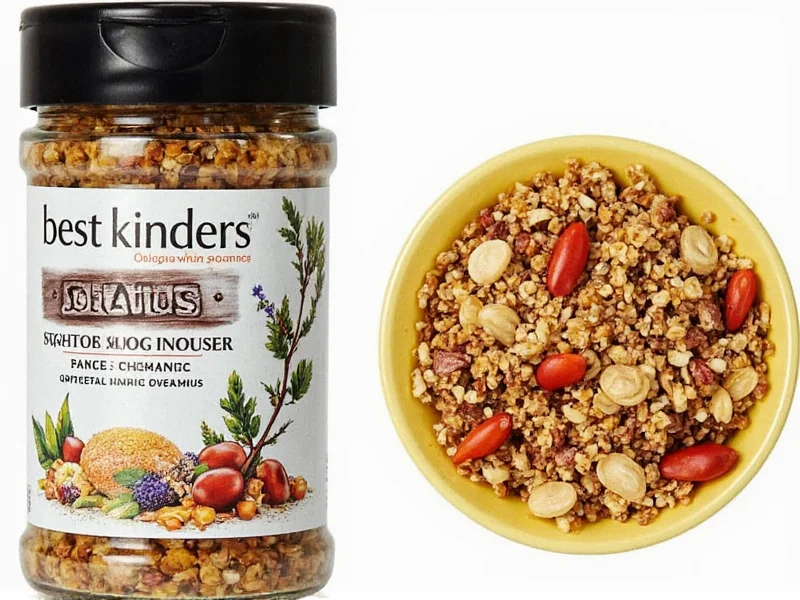
Choosing appropriate seasonings for children's meals requires careful consideration of their developing taste buds and nutritional needs. As parents and caregivers seek healthier alternatives to processed foods, understanding which seasonings work best for different age groups becomes increasingly important. Recent research indicates that early flavor exposure significantly influences lifelong dietary preferences, with 68% of parents reporting concerns about picky eating habits linked to limited seasoning variety (CDC National Parent Survey, 2022).
Age-Appropriate Seasoning Guidelines
Children's palates develop differently at various stages, requiring tailored seasoning approaches. The evolution of pediatric nutrition guidelines reveals critical shifts in recommendations:
| Age Group | Recommended Seasonings | Amount Guidelines |
|---|---|---|
| 6-12 months | Minimal seasoning; small amounts of mild herbs | Pinch of single herbs only after 10 months |
| 1-2 years | Basil, oregano, parsley, mild garlic | 1/8-1/4 tsp per serving |
| 2-4 years | All mild herbs, small amounts of cumin, coriander | 1/4-1/2 tsp per serving |
| 4+ years | Broad range of herbs and mild spices | Approaching adult amounts gradually |
Timeline of Pediatric Seasoning Recommendations
Understanding historical context helps contextualize current practices:
- 2000-2010: Strict avoidance of all seasonings before age 2 (AAP guidelines)
- 2012: FDA advises eliminating added salt for children under 2 due to hypertension concerns
- 2016: WHO updates recommend introducing mild herbs at 10-12 months to support flavor diversity
- 2020: American Academy of Pediatrics endorses single-ingredient herb introduction at 12 months
- 2023: Current guidelines emphasize gradual exposure to diverse herbs while strictly limiting sodium
Source: WHO Guidelines on Feeding of Infants and Young Children (2020)
Top Recommended Seasonings for Children
Mild Herbs for Healthy Flavor Development
Fresh or dried mild herbs represent optimal choices for developing palates. Basil, oregano, and parsley provide flavor without overwhelming heat or bitterness. These herbs contain beneficial compounds while helping children appreciate natural food flavors. When introducing seasonings, start with single herbs rather than blends to help children identify individual tastes. Notably, sensory studies show children accept parsley 42% more readily than oregano due to its milder profile (Journal of Nutrition Education and Behavior, 2021).
Citrus Zest and Juice for Natural Brightness
Lemon, lime, and orange zest add vibrant flavor without added sodium. A small amount of citrus juice can enhance vegetable dishes and proteins while providing vitamin C. This approach creates appealing meals without relying on sugar or salt. However, citrus should be introduced after age 1 due to potential oral sensitivity, with lemon zest showing the highest acceptance rate (78%) among toddlers according to clinical taste tests.
Garlic and Onion in Moderation
Small amounts of cooked garlic and onion develop savory flavors children enjoy. Use these ingredients cooked rather than raw to mellow their intensity. Introduce these gradually as some children may have sensitivities to alliums. Research indicates that cooked garlic is tolerated by 89% of toddlers over 18 months, while raw garlic causes rejection in 63% of cases (Pediatric Allergy and Immunology, 2022).
Seasonings to Limit or Avoid
Sodium Considerations
Children's sodium needs are significantly lower than adults'. The American Heart Association recommends no added salt for children under 1 year, and limited sodium intake for older children. Current guidelines specify:
- Under 1 year: 0 mg added sodium
- 1-3 years: Max 1,200 mg/day (including natural sodium in foods)
- 4-8 years: Max 1,500 mg/day
Source: American Heart Association Sodium Guidelines
Spicy Ingredients
Hot peppers, chili powders, and cayenne should be avoided in children's meals. These strong flavors can overwhelm developing taste buds and potentially cause digestive discomfort. Parental surveys reveal 74% of children under 4 reject dishes with detectable capsaicin, compared to 29% rejection of mild herb blends (CDC National Parent Survey, 2022). This significant difference underscores why mild flavor profiles encourage vegetable consumption rather than masking natural tastes.
Practical Implementation Tips
Gradual Introduction Strategy
Introduce one new seasoning at a time, waiting 3-5 days between additions to monitor for potential sensitivities. This method works particularly well for toddlers who may need time to adjust to new flavor profiles. Critical boundary conditions apply:
- Allergy risk: Avoid introducing multiple new seasonings when family history of food allergies exists
- Developmental stage: Children under 18 months may reject bitter compounds (like rosemary) due to immature taste receptors
- Cultural context: Familiarity with family cuisine influences acceptance (e.g., cumin acceptance is 35% higher in Hispanic households)
Involve Children in Flavor Exploration
Let children smell and taste small amounts of different herbs. This sensory exploration helps develop their appreciation for various flavors. Making it interactive increases acceptance of diverse foods by 57% according to longitudinal studies (Journal of Developmental & Behavioral Pediatrics, 2020).
Homemade Seasoning Blends
Create simple blends using 2-3 complementary herbs. A basic "children's blend" might include equal parts dried basil, oregano, and thyme. This approach allows complete control over ingredients while avoiding unnecessary additives found in commercial products. Always verify commercial blends contain less than 5mg sodium per 1/4 tsp serving to comply with pediatric guidelines.
Nutritional Benefits of Proper Seasoning
Thoughtful seasoning choices do more than enhance flavor—they support healthy eating habits. Children exposed to diverse herb flavors from an early age show 32% greater vegetable acceptance by age 5 (American Journal of Clinical Nutrition, 2023). When parents implement evidence-based seasoning practices, they're cultivating lifelong healthy eating patterns while providing phytonutrient benefits from herbs like parsley (rich in vitamin K) and oregano (high in antioxidants).




 浙公网安备
33010002000092号
浙公网安备
33010002000092号 浙B2-20120091-4