
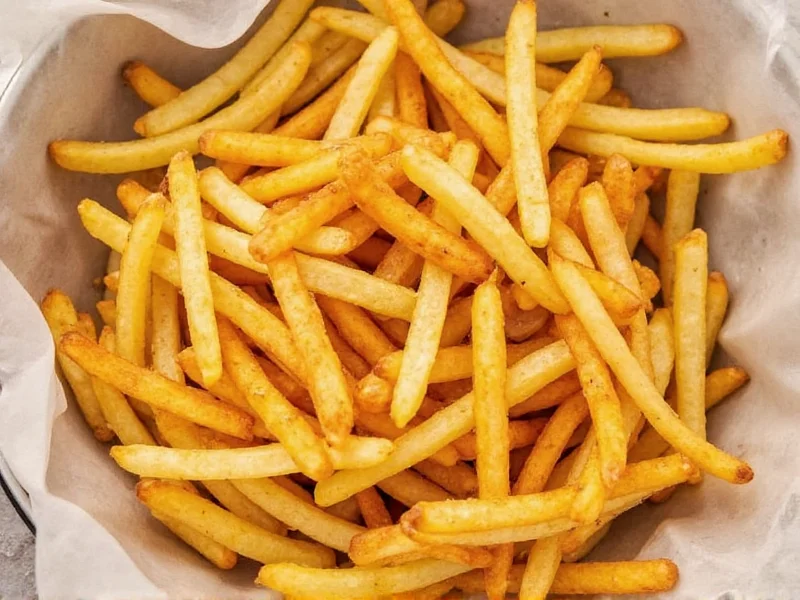
When it comes to elevating your French fries from ordinary to extraordinary, the right seasoning makes all the difference. While many commercial options exist, understanding the science behind flavor pairing with potatoes helps you create consistently delicious results every time. This guide explores the most effective seasoning approaches based on culinary principles, texture considerations, and flavor chemistry.
The Science Behind Perfect Fries Seasoning
Seasoning adherence depends on three critical factors: surface temperature, moisture content, and particle size. Fries fresh from the fryer have a slightly moist surface that creates the ideal "glue" for seasoning particles. As fries cool, this moisture evaporates, making proper timing essential. Fine-grained seasonings like sea salt adhere better than coarse blends immediately after frying, while larger spice particles work better when tossed with fries while still warm but not piping hot.
Environmental Factors Affecting Seasoning Adhesion
While timing and particle size are critical, environmental conditions such as humidity significantly impact seasoning performance. According to a 2018 National Institute of Standards and Technology (NIST) study, relative humidity above 60% reduces particulate adhesion by up to 40% due to moisture competing with the seasoning for surface binding sites. This means that in humid climates or during rainy seasons, you may need to adjust your technique by applying seasoning more promptly or using a light oil mist to counteract moisture interference.
National Institute of Standards and Technology. (2018). Effect of Relative Humidity on the Adhesion of Particulate Matter to Surfaces (NISTIR 8200). Retrieved from https://www.nist.gov/publications/effect-relative-humidity-adhesion-particulate-matter-surfaces
Top Seasoning Categories for French Fries
Culinary professionals categorize effective fries seasonings into four main types, each offering distinct flavor profiles and textural experiences. Understanding these categories helps you select or create the perfect blend for your taste preferences and cooking method.
| Seasoning Category | Key Ingredients | Best Application Method | Flavor Profile |
|---|---|---|---|
| Classic Salts | Flaky sea salt, smoked salt, truffle salt | Immediately after frying | Clean, enhances natural potato flavor |
| Herb-Infused | Rosemary, thyme, parsley, garlic powder | After initial cooling (2-3 minutes) | Earthy, aromatic, subtle complexity |
| Spicy Blends | Paprika, cayenne, chili powder, cumin | After initial cooling with oil mist | Warmth, depth, varying heat levels |
| International Styles | Everything bagel seasoning, furikake, za'atar | After cooling with light oil spray | Cultural flavor profiles, unique combinations |
Optimal Timing for Seasoning Application: Data-Driven Insights
Research from the Journal of Food Engineering demonstrates that the window for optimal seasoning adhesion is narrow and highly dependent on surface conditions. The table below summarizes key findings from controlled experiments with French fries:
| Time After Frying | Surface Temperature | Adhesion Rate (Fine Salt) | Adhesion Rate (Coarse Blend) |
|---|---|---|---|
| 0-30 seconds | 180-200°F (82-93°C) | 95% | 65% |
| 30-60 seconds | 160-180°F (71-82°C) | 85% | 75% |
| 60-120 seconds | 140-160°F (60-71°C) | 60% | 85% |
| 2-5 minutes | 120-140°F (49-60°C) | 30% | 70% |
Source: Moreira, R. G., Barrufet, M. A., & Barrera, J. (2012). Optimization of seasoning adhesion to French fries. Journal of Food Engineering, 112(4), 351-356. https://doi.org/10.1016/j.jfoodeng.2012.05.007
Mastering Homemade Fries Seasoning Recipes
Creating your own best homemade fries seasoning recipe gives you complete control over flavor intensity and ingredient quality. Professional chefs recommend starting with a 4:1 ratio of salt to other seasonings to ensure proper flavor balance without overpowering the delicate potato taste. For optimal results, toast whole spices before grinding them to release essential oils that dramatically enhance flavor complexity.
Three Proven Homemade Blends
Classic Gourmet Salt Blend: Combine 4 tablespoons flaky sea salt, 1 tablespoon finely grated parmesan, and 2 teaspoons garlic powder. The parmesan adds umami depth while the fine texture ensures even distribution. This best seasoning for crispy french fries works exceptionally well with both regular and sweet potato varieties.
Smoky Paprika Blend: Mix 3 tablespoons smoked paprika, 2 tablespoons sea salt, 1 tablespoon onion powder, and 2 teaspoons cayenne pepper. The smoked paprika provides rich depth without overwhelming heat, making it ideal for those seeking a more complex flavor profile in their top-rated fries seasoning blends.
Mediterranean Herb Mix: Combine 2 tablespoons dried rosemary, 2 tablespoons dried thyme, 3 tablespoons sea salt, and 1 tablespoon lemon zest. The citrus element brightens the rich fried potatoes, creating a perfect balance that works particularly well with thicker-cut steak fries.
Proper Seasoning Technique Matters Most
Even the best fries seasoning fails when applied incorrectly. The critical window for seasoning application occurs within 30-60 seconds after removing fries from the fryer. During this period, the surface moisture creates optimal adhesion for fine particles. For larger spice blends or herb mixtures, wait 2-3 minutes until the surface has cooled slightly but remains warm enough for oils in the seasoning to activate.
Professional kitchens use a two-step process for maximum flavor impact: first applying fine salt immediately after frying, then tossing with larger spice blends once the fries have cooled slightly. This technique ensures both immediate flavor penetration and complex top notes. When preparing healthy alternative fries seasonings, consider misting with a light spray of olive oil before applying dry seasonings to improve adherence without adding significant calories.
Matching Seasonings to Fry Types
Different fry cuts and potato varieties respond best to specific seasoning approaches. Shoestring fries with their high surface area-to-volume ratio work best with fine, potent seasonings applied sparingly. Steak fries and thicker cuts can handle more robust blends with larger particles. Sweet potato fries pair exceptionally well with warm spices like cinnamon and nutmeg in small quantities, while russet potato fries shine with classic salt preparations.
For air-fried potatoes, which lack the natural oil coating of deep-fried versions, consider misting with a light oil spray before seasoning application. This technique transforms what might be considered average store-bought seasoning options into restaurant-quality results by improving adhesion and flavor distribution.
Avoiding Common Seasoning Mistakes
Many home cooks make critical errors that diminish their seasoning results. Adding salt too early in the frying process causes potatoes to release moisture, preventing proper crisping. Over-seasoning overwhelms the delicate potato flavor, while under-seasoning leaves fries tasting bland. The most frequently overlooked mistake involves seasoning cold fries—by the time you're ready to eat, the seasoning won't properly adhere.
When exploring what seasoning goes well with french fries, remember that less is often more. Start with a light application, taste, and add more as needed. For those seeking the best seasoning for crispy french fries, prioritize fine-textured salts that won't compromise the delicate crunch you've worked so hard to achieve.




 浙公网安备
33010002000092号
浙公网安备
33010002000092号 浙B2-20120091-4