
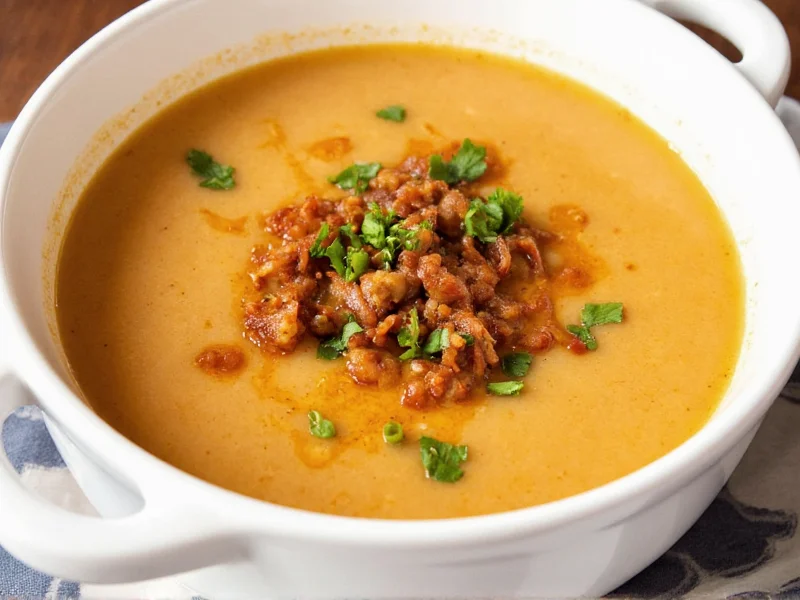
The best French onion soup recipe features deeply caramelized yellow onions, a rich homemade beef broth, a splash of dry white wine, and a perfectly melted Gruyère cheese topping on toasted baguette slices. Authentic preparation requires slow caramelization (45-60 minutes) to develop complex flavors without bitterness, using a combination of butter and oil to prevent burning. The ideal ratio is 4 pounds of onions to 6 cups of broth, with proper seasoning balance being crucial for that restaurant-quality depth of flavor.
Why This French Onion Soup Recipe Stands Above the Rest
French onion soup seems deceptively simple, yet achieving that perfect balance of sweet caramelized onions, rich broth, and melted cheese requires understanding the culinary science behind each component. Most home recipes fail by rushing the caramelization process or using inferior broth. The truly best French onion soup recipe honors traditional techniques while providing practical adaptations for modern kitchens.
The Essential Components of Authentic French Onion Soup
Creating the best French onion soup recipe starts with understanding each element's role in the final dish. Let's examine what makes each component critical to success.
Onion Selection and Preparation
Yellow onions provide the ideal balance of sweetness and pungency for French onion soup. While some recipes suggest using sweet onions like Vidalias, they lack the necessary complexity that develops during slow caramelization. Professional chefs typically use a 3:1 ratio of yellow to red onions for optimal flavor depth.
Proper slicing technique matters more than many realize. Uniform 1/8-inch slices ensure even cooking. A mandoline slicer produces consistent results, but a sharp chef's knife works well when used carefully. Never use pre-sliced onions from the grocery store, as their inconsistent size leads to uneven caramelization.
The Broth Foundation
Homemade beef broth makes the difference between good and exceptional French onion soup. Store-bought broths often contain excessive sodium and lack the gelatinous richness that comes from proper bone broth preparation. If using store-bought, select low-sodium varieties and enhance them with additional mirepoix and herbs.
For the best French onion soup recipe without wine, substitute with additional broth and a splash of sherry vinegar to maintain acidity balance. The ideal temperature for serving French onion soup is between 165-180°F (74-82°C) to properly melt the cheese topping without scalding.
| Component | Professional Recommendation | Common Mistake |
|---|---|---|
| Onion Type | Yellow onions (80%) + red onions (20%) | Using only sweet onions |
| Caramelization Time | 45-60 minutes | Rushing process (under 30 minutes) |
| Broth Quantity | 6 cups per 4 lbs onions | Too little broth (creates overly concentrated flavor) |
| Cheese Topping | 100% Gruyère or Gruyère/Emmental blend | Using only mozzarella (lacks flavor complexity) |
Step-by-Step Guide to Perfect French Onion Soup
Mastering the Caramelization Process
The foundation of any best French onion soup recipe is properly caramelized onions. This isn't merely browning—it's a slow transformation where natural sugars develop complex flavors through the Maillard reaction. Start with a heavy-bottomed pot (Dutch oven preferred) over medium-low heat.
Add 3 tablespoons of butter and 2 tablespoons of neutral oil (like canola) to prevent burning. Add 4 pounds of sliced onions with 1 teaspoon of salt to draw out moisture. Stir occasionally for the first 15 minutes, then less frequently as the onions soften. The critical phase comes between 25-45 minutes when the onions transition from translucent to deep golden brown. Resist the urge to increase heat—this creates bitterness rather than sweetness.
Building Flavor Layers
After achieving perfect caramelization, add 2 minced garlic cloves and cook for 1 minute until fragrant. Deglaze the pot with 1/2 cup of dry white wine (such as Sauvignon Blanc), scraping up all the flavorful browned bits from the bottom. Allow the wine to reduce completely before adding 6 cups of hot broth.
Many home cooks wonder how long French onion soup should simmer after adding broth. The ideal time is 20-30 minutes—long enough for flavors to meld but not so long that the soup loses its bright onion character. Season with 1 teaspoon of fresh thyme, 1 bay leaf, and freshly cracked black pepper to taste.
Troubleshooting Common French Onion Soup Problems
Fixing Bitter Onions
If your onions develop bitterness during caramelization, add 1 tablespoon of sugar and 1/4 cup of water, then reduce heat and continue cooking. The water helps dissolve bitter compounds while the sugar aids in proper caramelization. Never add sugar at the beginning—this creates an uneven cooking process.
Adjusting Salt Levels
Over-salted French onion soup can be rescued by adding raw potato slices and simmering for 15 minutes. The potatoes absorb excess salt. Remove before serving. For the best French onion soup recipe without wine, compensate for lost acidity with 1 teaspoon of sherry vinegar added at the end of cooking.
Serving Your French Onion Soup Like a Professional
The final presentation makes or breaks the best French onion soup recipe. Use oven-safe bowls and fill them 3/4 full with hot soup. Top with a thick slice of baguette (toasted until crisp but still slightly chewy), then generously cover with freshly grated Gruyère cheese.
Broil until the cheese is bubbly and golden with dark spots—this creates the signature flavor contrast between melted cheese and slightly charred edges. Let rest for 3 minutes before serving; this allows the cheese to set slightly while maintaining that perfect stretch.
Variations for Dietary Needs
For vegetarian French onion soup, substitute beef broth with mushroom broth enhanced with 2 tablespoons of soy sauce and 1 teaspoon of nutritional yeast for umami depth. Gluten-free versions work perfectly by using gluten-free baguette alternatives or skipping the bread entirely and serving the cheese melted directly on the soup's surface.
Frequently Asked Questions
How long should I caramelize onions for authentic French onion soup?
For the best French onion soup recipe, caramelize onions slowly over medium-low heat for 45-60 minutes. Rushing this process creates bitter flavors rather than the deep, complex sweetness essential to authentic French onion soup. The onions should reach a rich mahogany color, not just golden brown.
Can I make French onion soup without wine?
Yes, you can create an excellent French onion soup without wine by substituting with additional broth and adding 1 teaspoon of sherry vinegar at the end of cooking. The vinegar provides the necessary acidity balance that wine normally contributes, maintaining the complex flavor profile of the best French onion soup recipe.
What cheese works best for French onion soup topping?
Gruyère is the traditional and best cheese for French onion soup topping due to its excellent melting properties and nutty flavor that complements caramelized onions. For a more complex flavor, use a 50/50 blend of Gruyère and Emmental. Avoid pre-shredded cheeses which contain anti-caking agents that prevent proper melting.
How do I prevent my French onion soup from being too sweet?
If your French onion soup tastes too sweet, balance it with acidity. Add 1-2 teaspoons of sherry vinegar or lemon juice per serving. Properly caramelized onions shouldn't be overly sweet—if they are, you likely didn't cook them long enough to develop complex flavors, which happens in the later stages of caramelization (after the 30-minute mark).
Can I prepare French onion soup in advance?
Yes, French onion soup actually improves when made ahead. Prepare the soup base (without bread and cheese) up to 3 days in advance and refrigerate. Reheat gently before serving, then add fresh toasted bread and cheese. The soup base also freezes well for up to 3 months. This make-ahead approach is perfect for the best French onion soup recipe when entertaining.




 浙公网安备
33010002000092号
浙公网安备
33010002000092号 浙B2-20120091-4